
Pests and Diseases
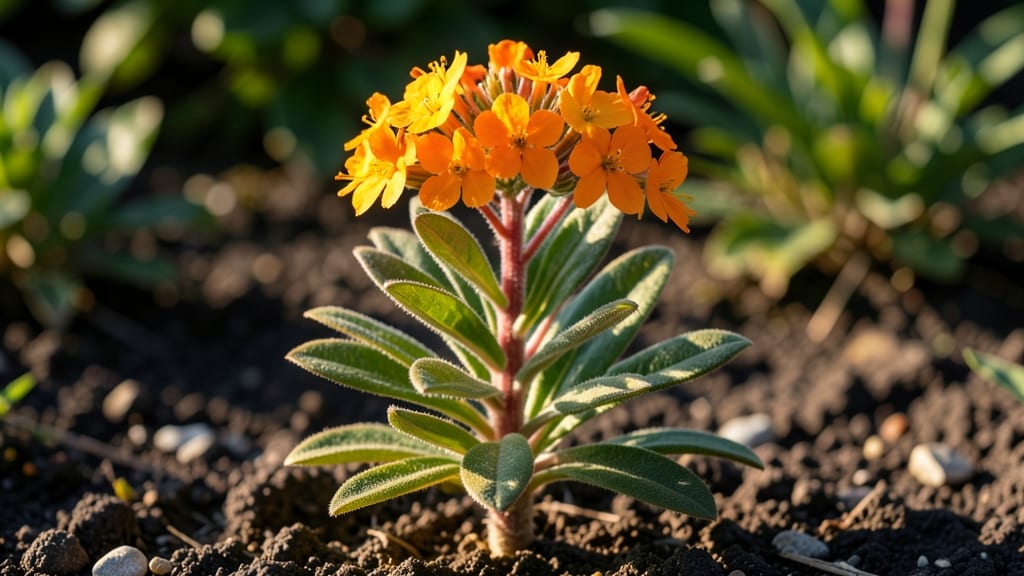
That four-pointed leaf isn’t just odd—it’s a plant SOS. 🌿 Whether it’s a viral infection, pest damage, or a genetic quirk, this guide will help you diagnose and fix it fast.
I’ve seen everything from spider mites to cucumber mosaic virus cause these strange shapes, and the solutions work for both houseplants and garden beds.
First, check the undersides of leaves for tiny pests like spider mites or aphids—they often leave this kind of damage. If no pests show up, inspect nearby plants for similar symptoms, as viruses spread quickly.
Genetic mutations (like in some variegated plants) are harmless, but if the whole plant is affected, it’s likely a bigger issue.
For pests, a strong spray of neem oil or insecticidal soap usually works within 24 hours. If it’s a virus, prune off infected leaves immediately and disinfect your tools. In stubborn cases, a local plant expert can help identify the exact problem—sometimes it’s not what you think.
Most gardeners fix this within a week, but early action is key. The sooner you act, the faster your plant bounces back—and you’ll avoid losing the whole plant. Let’s get those leaves back to normal!
The Hidden Triggers Behind It
If you’ve ever spotted a four-pointed leaf (like those from the Coleus scutellarioides or Houttuynia cordata varieties) and wondered why it happens, the answer lies in a mix of genetics, environmental stress, and plant biology.
These distinctive leaf shapes aren’t just a quirky trait—they’re often a response to the plant’s survival instincts. Let’s break down the science behind why some leaves develop this striking four-pointed form.
Not all plants grow four-pointed leaves by accident—some are hardwired to do so. Certain species, like Houttuynia cordata (often called "chameleon plant"), naturally produce leaves with four distinct lobes or points due to their genetic makeup.
This trait is passed down through generations, making it a defining characteristic of the plant.
💡 Pro Tip: If you’re growing plants like Coleus or Houttuynia, their leaf shape is usually stable. However, hybrid varieties might occasionally produce unexpected variations—like a sudden four-pointed leaf—due to crossbreeding or mutations.
Plants don’t just grow randomly—they adapt to their surroundings. When exposed to stress factors like:
- Temperature fluctuations (too hot or too cold)
- Inconsistent watering (drought or overwatering)
- Poor soil nutrition (lack of nitrogen, phosphorus, or potassium)
- Light exposure issues (too much direct sun or shade)
Some plants, like Coleus, may respond by altering leaf shape as a defense mechanism. A four-pointed leaf can sometimes indicate the plant is trying to maximize surface area for photosynthesis while conserving water—a clever survival hack!
✨ Actionable Fix: If your plant’s leaves are developing unexpected shapes, check its environment. Adjust watering, ensure balanced fertilizer, and provide stable light conditions to encourage normal growth.
Plant hormones, like auxins and cytokinins, control everything from root growth to leaf shape. When these hormones are out of balance, it can lead to abnormal leaf development, including four-pointed formations.
Common causes of hormonal disruption:
- Pruning or trimming too aggressively (can trigger erratic regrowth)
- Exposure to certain pesticides or herbicides (disrupts natural hormone signals)
- Transplant shock (stress from repotting can alter growth patterns)
🔥 What to Watch For: If your plant suddenly sprouts four-pointed leaves after a major change (like a move or heavy pruning), it’s likely a hormonal response. Give it time to stabilize, and avoid further stress.
In rare cases, a four-pointed leaf (or other deformities) can signal an underlying infection. Some viruses, like the Coleus blumei virus, can alter leaf morphology as a symptom. Bacterial infections may also cause unusual growth patterns, though these are less common.
Signs it might be an infection:
- Yellowing or browning between leaf veins
- Stunted growth or wilting
- Multiple plants showing similar deformities
🎯 Preventative Tip: Keep your garden healthy with proper sanitation, avoid overcrowding plants, and inspect new additions for pests or diseases before introducing them to your collection.
Quick fixes for stubborn leaf issues
If you’ve spotted unsightly four-pointed leaves or other leaf deformities on your plants, don’t panic—there are practical, fast-acting solutions to restore your garden’s health. Below, we’ll break down the most common causes and their fixes, along with prevention tips to keep your plants thriving long-term.
When roots sit in soggy soil, leaves can develop strange shapes or discoloration. Here’s how to turn things around:
- 🔥 Step 1: Stop Watering Immediately Let the soil dry out completely before watering again. Stick your finger 1-2 inches into the soil—if it’s damp, wait another day.
- 👨🍳 Step 2: Improve Drainage Mix in perlite, sand, or compost to loosen heavy soil. For potted plants, add a layer of gravel or coconut coir at the bottom of the pot.
- 🥘 Step 3: Repot if Needed If roots are rotting, transfer the plant to a well-draining pot with fresh, airy soil. Trim any mushy roots with sterilized scissors.
- ⏰ Step 4: Adjust Watering Schedule Water only when the top 1-2 inches of soil are dry. Early morning is best to prevent fungal growth.
💡 Pro Tip: Use a moisture meter for accuracy—overwatering is the #1 killer of houseplants!
Tiny pests suck sap, causing leaves to curl, yellow, or grow abnormally. Act fast with these methods:
- 🔪 Step 1: Isolate the Plant Move it away from others to prevent spreading. Check the undersides of leaves for pests.
- 🍳 Step 2: Blast Them Off Spray leaves with a strong stream of water to dislodge pests. Repeat every 2-3 days for severe cases.
- 🥘 Step 3: Apply Organic Sprays Mix 1 tsp neem oil + 1 tsp dish soap + 1 quart water in a spray bottle. Test on a small leaf first—some plants are sensitive!
- ⏰ Step 4: Use Beneficial Insects Release ladybugs or lacewings (available at garden centers) to eat pests naturally. They’re the ultimate pest control!
💡 Pro Tip: Wipe leaves with a damp microfiber cloth weekly to remove eggs and prevent reinfestation.
Too much direct sun can scorch leaves, leading to irregular shapes or crispy edges. Here’s how to protect your plants:
- 🌡️ Step 1: Move to Indirect Light Shift the plant to a spot with filtered sunlight (e.g., under a sheer curtain or in partial shade).
- 🎯 Step 2: Acclimate Gradually If moving outdoors, harden off the plant by exposing it to sunlight for 1-2 hours daily, increasing time slowly.
- ✨ Step 3: Provide Shade Cloth Use a 30-50% shade cloth if full sun is unavoidable. This blocks harsh rays while allowing light to pass.
💡 Pro Tip: Mulch the soil to keep roots cool—this helps plants withstand heat better!
Too much (or too little) fertilizer can distort leaf growth. Balance is key:
- 📊 Step 1: Flush the Soil Water the plant thoroughly to leach out excess salts from over-fertilization. Repeat 2-3 times over a week.
- 💪 Step 2: Test Soil pH Use a soil test kit to check pH. Most plants thrive in 6.0-7.0 pH. Adjust with lime (to raise pH) or sulfur (to lower it).
- 🥗 Step 3: Feed Lightly Switch to a balanced, organic fertilizer (like fish emulsion or compost tea) and apply half-strength every 4-6 weeks.
💡 Pro Tip: Yellowing leaves with brown tips? It’s often chlorosis—add iron supplements or use Epsom salt (1 tbsp per gallon of water) for magnesium.
Once your plants recover, keep them happy with these long-term strategies:
- 🌱 Choose the Right Soil Use well-draining, nutrient-rich soil mixed with organic matter like worm castings or coconut fiber.
- 💧 Water Wisely Water at the base (not overhead) to avoid fungal diseases. Use drip irrigation for consistency.
- 🌿 Monitor Regularly Inspect leaves weekly for pests, discoloration, or unusual growth. Early action prevents major damage!
- 🌿 Prune Problem Leaves Snip off severely deformed or diseased leaves with clean scissors to redirect the plant’s energy to healthy growth.
🌟 Bonus: Boost plant resilience with foliar sprays of seaweed extract—it strengthens cell walls naturally!
Frequently asked questions about four-pointed leaves
Is a four-pointed leaf always a sign of a problem?
Not necessarily! Some plants naturally produce four-pointed leaves, like Houttuynia cordata or certain Coleus varieties. These are genetic traits, not issues. However, if it's unusual for your plant species, it could signal stress, pests, or disease.
What pests commonly cause four-pointed leaf deformities?
Spider mites and aphids are the top culprits—they suck sap, disrupting leaf development. Look for tiny webs (mites) or sticky residue (aphids) on undersides. A strong spray of neem oil or insecticidal soap usually resolves this within 24-48 hours.
Can pruning help fix four-pointed leaves?
Yes, but only if the issue is localized. Prune away severely deformed leaves with clean scissors to redirect the plant's energy. For widespread problems, address the root cause (pests, stress, or disease) first. Always sterilize tools to prevent infections.
Are four-pointed leaves contagious between plants?
Not usually, but some causes are! Viral infections (like Cucumber Mosaic Virus) can spread, while pests or environmental stress won't. Isolate affected plants immediately if you suspect a virus, and disinfect tools between uses to prevent cross-contamination.
How can I tell if it's a genetic trait vs. a problem?
Check your plant's species—some naturally have four-pointed leaves. If it's a new growth pattern, compare with healthy leaves and inspect for pests/damage. Genetic traits appear consistently, while problems often worsen over time or affect multiple leaves.