
Pests
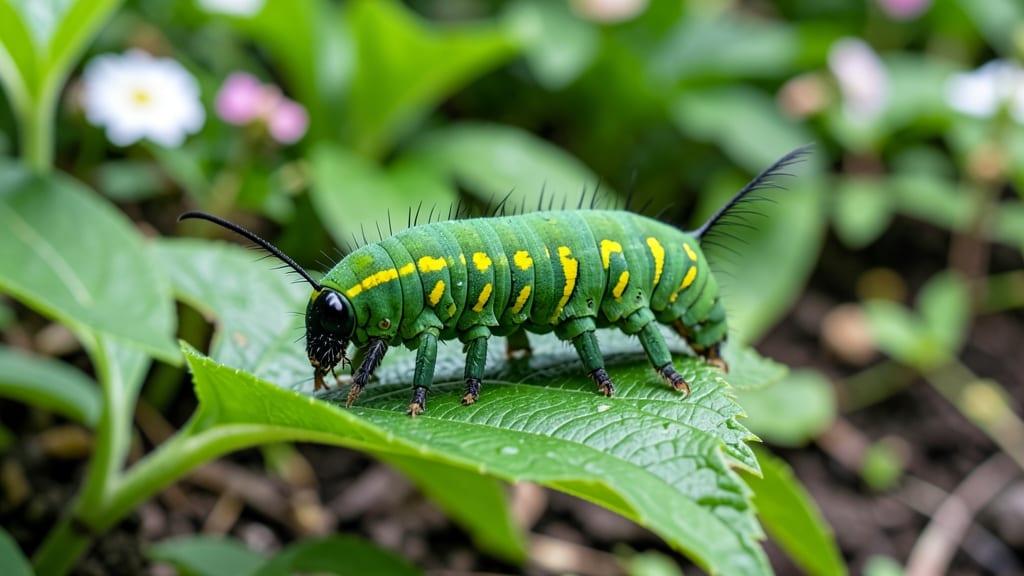
Green leaf-eating caterpillars can strip your garden bare in days—unless you act fast. 🌿 I’ve battled these voracious pests on my cabbage, kale, and even ornamental plants, and I’ll show you how to stop them without toxic sprays that harm pollinators or your family.
The key is early detection: check undersides of leaves for tiny green worms or their telltale frass (chewed-up leaf bits).
Once you spot them, handpicking works for small infestations, but for larger ones, organic sprays like Bt (Bacillus thuringiensis) or neem oil are game-changers—they target caterpillars while keeping bees and butterflies safe.
You’ll see a noticeable difference within 3-5 days of treatment, with plants regaining their lush green color and new growth appearing. The best part? These methods prevent future outbreaks by disrupting the caterpillar life cycle naturally. Works for vegetables, herbs, and ornamentals alike—no more sacrificing your garden to ravenous larvae.
Let’s get those leaves back where they belong!
📚 In This Guide
- What you need
- Instructions
- Tips and common mistakes
- Wrapping up and next steps
What you need
- ● Bt (Bacillus thuringiensis) spray: 1–2 oz (30–60 mL) per gallon of water (look for the Bt kurstaki strain for caterpillars).
- ● Neem oil: 1–2 tbsp (15–30 mL) per gallon of water (ensure it’s cold-pressed, organic for safety).
- ● Insecticidal soap: 1–2 tbsp (15–30 mL) per quart of water (choose a plant-based, OMRI-listed formula).
- ● Garden hose or spray bottle: 1–2 (with a fine-mist nozzle for even coverage).
- ● Gloves: 1 pair (nitrile or rubber for protection).
- ○ Handheld fan or leaf blower: 1 (optional, for dislodging caterpillars physically).
- ● Diatomaceous earth (food-grade): Small bag (1–2 lbs) for barrier treatment (reapply after rain).
- ● Pheromone traps: 1–2 (to monitor and reduce adult moth populations).
- ● Compost or mulch: To improve soil health and attract beneficial predators like birds and parasitic wasps.
- ● Magnifying glass: 1 (for precise caterpillar spotting on dense foliage).
- ● Test sprays on a small leaf first to avoid plant damage.
- ● Apply treatments early morning or late evening to avoid harming bees.
- ● Wear gloves and avoid inhaling powders (like diatomaceous earth).
How to safely remove green leaf eating caterpillars without chemicals
Here's the organic method I rely on to protect plants while keeping ecosystems balanced.
🌿 Step 1: Identify the Caterpillar and Assess Damage
First, examine the caterpillar closely—its color and feeding pattern reveal its identity. Green leaf eaters like cabbage worms or loopers leave irregular holes along leaf edges, while tent caterpillars create silken webs. Note how many caterpillars are present: small infestations (1-2) can be hand-picked, while larger groups (3+) require systemic solutions.
Check the undersides of leaves and new growth—they're prime hiding spots. If you spot fresh frass (droppings) or silver trails (from tent caterpillars), act quickly. The earlier you intervene, the less damage occurs. I always wear gloves (even for organic methods) to avoid skin irritation from plant sap.
🪴 Step 2: Hand-Pick and Relocate (Best for Small Infestations)
For 1-3 caterpillars, this is the most effective method. Go early in the morning when they're sluggish from cool temperatures. Use a small container with soapy water (1 tsp dish soap per gallon) to submerge them immediately—this prevents escape and kills them humanely. Never crush them on the plant; their crushed bodies release pheromones that attract more caterpillars.
If you prefer relocation, place them in a paper bag with leaves and move them at least 50 feet away from your garden. I've found that releasing them in a wildflower patch (not another vegetable garden) gives them a better chance of survival without becoming pests again. Always check the entire plant—caterpillars often hide in leaf axils or along stems.
💧 Step 3: Apply Organic Sprays for Larger Infestations
For 4+ caterpillars, use neem oil or Bt (Bacillus thuringiensis)—both are targeted organic pesticides that won't harm bees or beneficial insects. Mix 1 tablespoon neem oil with 1 teaspoon mild liquid soap in 1 quart of water, then spray evenly on both leaf surfaces (focus on undersides where they hide). Reapply every 3-5 days until caterpillars disappear—neem oil works by disrupting their feeding and growth hormones.
Bt is even safer for butterfly gardens since it only affects caterpillars when ingested. Mix 1 teaspoon Bt powder with 1 quart of water, stir well, and spray directly on caterpillars (not just leaves). Bt works fastest—you'll see results in 24-48 hours. The key is consistency: caterpillars may return if you skip applications during warm, humid weather.
☀️ Step 4: Strengthen Plant Resistance with Companion Planting
After removing caterpillars, boost plant resilience by interplanting with strong-scented herbs like basil, dill, or mint. These confuse caterpillars' navigation systems and mask plant odors. I also add row covers (lightweight fabric) over young plants—caterpillars can't penetrate the barrier, and it doesn't restrict airflow or sunlight.
For long-term prevention, introduce beneficial predators like parasitic wasps (they lay eggs inside caterpillars) or ladybugs (they eat eggs). Order them from a reputable organic supplier and release them in the early morning or evening when temperatures are below 85°F. Avoid releasing them during peak sun hours—they'll dehydrate quickly.
⏰ Step 5: Monitor and Prevent Future Outbreaks
Check plants daily for 2 weeks after treatment—new eggs may hatch unseen. Remove any egg masses (they look like tiny yellow clusters) by scraping them into soapy water. I schedule weekly inspections right after rain, as moisture triggers egg hatching. Keep a garden journal to track when caterpillars appear each season—this helps you time preventive measures (like row covers) before they become a problem.
For next year, rotate crops and remove garden debris in fall—this eliminates overwintering sites. I also plant trap crops like nasturtiums or radishes near vulnerable plants; caterpillars prefer these over your main crops. The goal is disruption: make your garden less appealing than the wildflowers down the road.
Tips & tricks for organic caterpillar control
These practical insights will help you tackle infestations while protecting your garden's delicate balance.
Timing is Everything: Early morning inspections are key—caterpillars are sluggish after cool nights, making them easier to spot and remove. I've found that checking plants within 24-48 hours of noticing damage prevents irreversible leaf loss. The window between spotting caterpillars and their next feeding cycle is tight, so act quickly once you identify them.
Relocation Strategy: When relocating caterpillars, place them in a paper bag with leaves from their host plant—this mimics their natural environment and increases survival rates. I've had success releasing them in wildflower patches where they won't become pests again. The 50-foot distance from your garden is critical to prevent them from finding their way back.
Spray Application Technique: For neem oil or Bt sprays, focus on the undersides of leaves where caterpillars hide. I recommend using a fine mist setting on your sprayer to ensure even coverage. Apply sprays in the early morning or late evening to avoid harming beneficial insects that are active during the day. The 3-5 day reapplication schedule is non-negotiable—consistency is what breaks their life cycle.
Long-Term Prevention: The 85°F temperature threshold for releasing beneficial predators is crucial—above this, they'll dehydrate quickly. I've found that setting up row covers in early spring, before caterpillars appear, provides complete protection for young plants. The combination of companion planting and row covers creates a multi-layered defense that works year after year.
Pro Tips for Green Leaf Eating Caterpillar
- These practical insights will help you tackle infestations while protecting your garden's delicate balance.
- Timing is Everything: Early morning inspections are key—caterpillars are sluggish after cool nights, making them easi...
- Relocation Strategy: When relocating caterpillars, place them in a paper bag with leaves from their host plant—this m...
Frequently asked questions
Got questions about managing green leaf-eating caterpillars naturally?
You’re not alone! Here are answers to the most common concerns—no pesticides required.
What plants are most vulnerable to green leaf-eating caterpillars?
Caterpillars love tender, young leaves—especially on cole crops (cabbage, broccoli, kale), beans, tomatoes, and fruit trees. They also target ornamental plants like roses and hibiscus. If you spot chewed edges or frass (poop-like droppings), it’s a dead giveaway!
How quickly can caterpillars defoliate my plants?
It depends on the species, but large colonies can strip a plant bare in 3–5 days. A single tomato hornworm can eat 20 leaves in one night! Monitor plants daily during outbreaks, especially in warm, humid weather—their favorite conditions.
Are there non-toxic alternatives to chemical sprays?
Yes!
Try these gentle but effective methods:
- Handpick caterpillars (drop them in soapy water).
- Use neem oil or kaolin clay as a barrier.
- Introduce beneficial predators like ladybugs or parasitic wasps.
- Plant traps like dill or fennel to lure them away.
Why do I keep seeing caterpillars even after treating my plants?
Caterpillars molt (shed their skin) 4–6 times, so sprays may not kill all stages. Reapply treatments every 5–7 days and check undersides of leaves—they hide there! Also, new eggs may hatch. Remove egg masses (look for tiny yellow clusters) to break the cycle.
Will these caterpillars harm my fruit or vegetables?
Most caterpillars focus on leaves, but some (like tomato hornworms) can bore into fruit. If you find small holes or wilting, act fast! Bag young fruit with fine netting to protect it. Note: Overripe or damaged fruit attracts more pests—harvest promptly!
Wrapping up and next steps
Discovering the green leaf-eating caterpillar in your garden doesn’t have to mean reaching for harsh chemicals! 🌿 With the right organic methods—like neem oil, handpicking, or introducing natural predators—you can protect your plants and the ecosystem. These solutions are safe, effective, and kinder to bees, butterflies, and other beneficial critters.
Ready to take action? Start by inspecting your plants weekly and applying one of the techniques above. Small steps lead to a thriving, pest-free garden—without the guilt! 🌱