
Trees
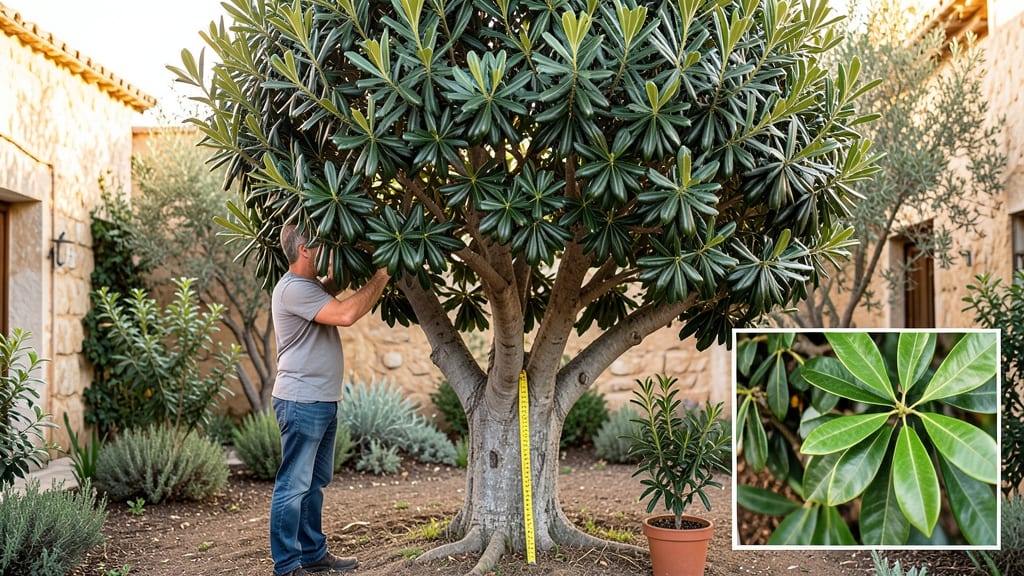
A bay leaf tree can grow anywhere from 10 to 40 feet tall 🌿 — the difference between a towering shade tree and a manageable patio plant depends entirely on the variety and how you prune it.
If you’re dreaming of growing a bay leaf tree but wondering whether it’ll fit in your garden—or if it’ll outgrow your balcony—you’re not alone. This fragrant, culinary staple can surprise even experienced gardeners with its growth habits, from compact dwarf varieties to towering giants in the wild.
Standard bay trees (like the classic Laurus nobilis) reach 20 to 30 feet at maturity, with a spread of 15 to 25 feet, making them a statement piece in large yards.
But with the right pruning techniques or dwarf cultivars, you can keep one under 6 feet—perfect for containers or small spaces.
Below, I’ll break down the exact height and spread ranges for different varieties, how to control growth through pruning, and which compact options are ideal for urban gardens. You’ll leave here knowing exactly how much space to plan for—and how to shape your tree to fit.


Bay leaf tree growth size: height, spread & mature dimensions explained
When planning your garden, understanding the bay leaf tree growth size is crucial—especially if you’re imagining its lush foliage gracing your outdoor space. The Laurus nobilis, or bay laurel tree, typically reaches 10 to 50 feet tall at maturity, with a spread of 15 to 25 feet.
However, its size varies dramatically depending on the variety, climate, and pruning habits.
In ideal conditions—like USDA zones 7-10—bay trees grow faster, while cooler climates slow their growth. Without pruning, a standard bay laurel tree can easily tower over your home, but with regular maintenance, you can keep it manageable. This flexibility makes it perfect for both large gardens and container growing.
| Variety | Mature Height | Mature Spread | Growth Rate | Best For |
|---|---|---|---|---|
| Standard (Laurus nobilis) | 20–40 ft | 15–25 ft | Moderate (1–2 ft/year) | Large gardens, privacy screens |
| 'Angustifolia' (Dwarf) | 8–12 ft | 6–10 ft | Slow (6–12 in/year) | Containers, small yards, patios |
| 'Salicifolia' | 30–50 ft | 20–30 ft | Fast (2–3 ft/year) | Large estates, woodland gardens |
| 'Tiny Tower' | 6–8 ft | 4–6 ft | Slow (4–8 in/year) | Balconies, urban gardens |
🌱 Note: Growth rates slow in cooler climates or shaded areas.
The standard bay laurel tree (Laurus nobilis) is the most common variety, often reaching 20 to 40 feet tall in ideal conditions. Its broad, evergreen leaves and glossy appearance make it a standout, but its size demands space.
If you’re working with limited room, consider the 'Angustifolia' variety, which stays compact at 8 to 12 feet tall.
Climate plays a huge role in bay leaf tree growth size. In warm, sunny climates like California or Florida, these trees thrive and grow rapidly, while in cooler regions like USDA zone 6, growth slows significantly.
Even in mild winters, expect a 10–20% reduction in growth rate compared to tropical zones.
Pruning is your best tool for controlling bay leaf tree size. Regular trimming in late winter or early spring encourages bushier growth and prevents leggy branches.
For example, if you prune back one-third of new growth annually, you can keep a standard bay tree at 10 to 15 feet tall—perfect for a backyard focal point.
Container growing is another way to manage size. Dwarf varieties like 'Tiny Tower' thrive in 15-gallon pots and rarely exceed 6 feet tall. Even standard bay trees can be grown in large containers (30+ gallons) if pruned regularly.
Just ensure the pot has drainage holes and use well-draining soil to prevent root rot.
If you’re growing bay leaves for culinary use, size matters less than leaf production. A well-pruned, compact tree (like 'Angustifolia') can yield just as many leaves as a larger tree—just in a smaller footprint.
Harvest leaves anytime, but avoid taking more than one-third of the foliage at once to keep the tree healthy.
For those in small spaces, consider espalier training. This technique involves pruning and tying branches to a flat surface (like a fence or wall), creating a 2–3 foot wide, 6–8 foot tall "living tapestry."
It’s a creative way to grow bay leaves without sacrificing garden space for a full-sized tree.
Remember, bay leaf trees are long-lived—some specimens live for centuries if cared for properly. Plan ahead by choosing the right variety for your space and committing to regular pruning. With the right approach, you can enjoy fresh bay leaves year-round without your tree becoming an unmanageable giant.
How to control bay leaf tree size: pruning tips for compact growth
If your bay leaf tree is reaching for the sky faster than you’d like, don’t panic! With the right pruning techniques, you can keep it at your desired height while encouraging a lush, bushier shape.
The key is timing, tools, and a little patience—this evergreen can be as compact as a patio plant or as sprawling as a garden centerpiece, depending on your approach.
Bay leaf trees thrive when pruned correctly, but many gardeners make mistakes like pruning at the wrong time or cutting too aggressively. I’ve learned the hard way that late winter or early spring is the magic window—right before new growth begins.
This ensures your tree focuses energy on filling out rather than recovering from wounds.
Step-by-Step Pruning Guide
- 1 Choose the right time: Prune in late winter (just before buds swell) or early spring to promote new growth.
- 2 Gather your tools: Use sharp pruners, loppers for thicker branches, and gloves to protect your hands.
- 3 Remove dead or diseased branches first—cut them back to healthy wood to prevent spread.
- 4 Shape the tree by trimming overlapping branches and those growing inward to improve airflow and sunlight penetration.
- 5 Encourage bushiness by cutting back new growth tips—this stimulates side branches to fill out the canopy.
- 6 Avoid cutting into old wood—bay trees respond best to pruning young, green growth.
- 7 Clean up pruned branches and sterilize tools with rubbing alcohol to prevent disease.
One of the biggest mistakes I’ve seen is over-pruning in a single session. Bay leaf trees are resilient, but cutting back more than 25% of the foliage at once can stress the tree and reduce leaf production—the very thing you’re growing it for!
Instead, spread pruning over 2-3 sessions if needed, especially for larger trees.
For container-grown bay trees, pruning is even more critical to control size. Since roots are confined, the tree focuses its energy upward. I recommend light pruning every 4-6 weeks during the growing season to maintain a manageable shape.
Just remember: less is more—bay trees respond better to gentle guidance than drastic cuts.
Pro tip: If you’re growing a bay tree for culinary leaves, prune just above a leaf node where new growth emerges. This encourages more leafy branches and a higher yield of those fragrant, flavorful leaves you love in the kitchen.
With consistent care, your bay tree can stay lush, compact, and productive for years.