How To
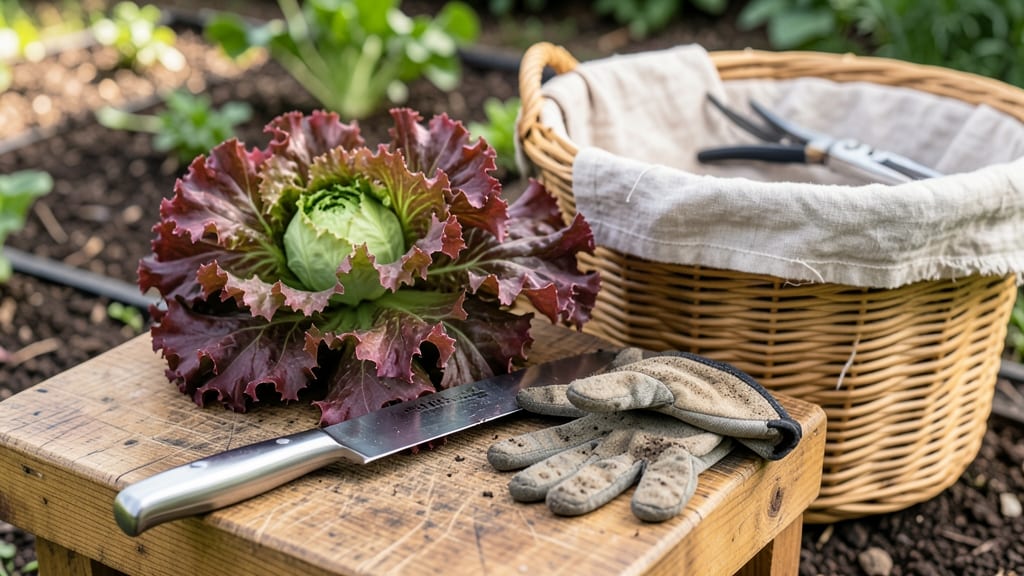
Harvesting red leaf lettuce at the right time means crisp stems, deep red-purple leaves, and that perfect balance of sweetness and peppery bite 🥬.
Picture this: you’ve nurtured your Red Leaf Lettuce for weeks, watching those vibrant leaves unfurl, only to wonder, "Did I wait too long?" The truth is, timing this harvest wrong can turn your prize crop into bitter, wilted disappointment.
In this guide, I’ll walk you through the exact signs your lettuce is ready—from leaf size to color intensity—and how to snip it without sacrificing future growth.
You’ll also learn the three biggest mistakes gardeners make (and how to avoid them), plus storage tips to keep your harvest fresh for days.


When to harvest red leaf lettuce for peak flavor and color
Timing your red leaf lettuce harvest correctly transforms your garden into a vibrant, flavor-packed bounty. The ideal harvest window balances leaf size, color intensity, and crisp texture—all signs your lettuce is ready to eat. Harvest too early, and you’ll get small, pale leaves.
Wait too long, and bitterness or bolting ruins the experience. Understanding these cues ensures every bite is crisp, sweet, and packed with those signature deep red-purple hues.
Most red leaf lettuce varieties mature between 30 to 60 days, but peak harvest time falls at 45 days for maximum flavor and color. Look for leaves that are 4 to 6 inches long and fully unfurled.
The outer leaves should feel crisp and firm, not soft or floppy. Color is your best indicator—bold red-purple leaves signal readiness, while pale or green-tinged leaves need more time. Weather also plays a role; harvest on cool, overcast days to preserve crispness and prevent wilting.
| Stage | Leaf Size | Color | Texture | Best Time to Harvest |
|---|---|---|---|---|
| Early (30-35 days) | 2-3 inches | Pale green-red | Soft, tender | Not ready |
| Ideal (45-50 days) | 4-6 inches | Deep red-purple | Crisp, firm | Perfect harvest |
| Late (55-60 days) | 6+ inches | Dull red or green-tinged | Bitter, tough | Risk of bolting |
| Overdue (60+ days) | Large, loose | Pale, wilted | Bitter, stringy | Discard or compost |
For continuous harvests, use the cut-and-come-again method. Snip the outer leaves first, leaving the inner leaves intact. This encourages regrowth and extends your harvest by 2-3 weeks. Aim to leave at least 2 inches of growth at the base to keep the plant producing.
If you’re growing in containers or small spaces, this method is especially useful—it maximizes yield without overcrowding.
Watch for bolting signs, like tall flower stems or bitter-tasting leaves, which mean it’s past prime. Red leaf lettuce bolts when stressed by heat over 80°F or drought conditions. If this happens, harvest immediately or pull the plant to prevent seed spread.
In cool-season gardens (spring/fall), bolting is less common, but always monitor your plants closely. A shade cloth (30-50%) can help delay bolting if temperatures rise unexpectedly.
Morning is the best time to harvest because leaves are hydrated and crisp. Avoid harvesting after noon heat or before sunrise dew dries, as this can cause wilting or fungal issues. Use a clean, sharp pair of scissors or pruning shears to cut leaves at the base.
Never tear leaves by hand—this damages the plant and invites pests. After harvesting, rinse leaves gently under cool water to remove dirt, then pat dry with a paper towel to prevent rot.
Weather conditions also impact harvest timing. After light rain, wait 24 hours to harvest to let soil settle and avoid muddy leaves. If your garden faces frost warnings, harvest 2-3 days before the first frost to enjoy your lettuce indoors.
Store harvested leaves in a plastic bag with a paper towel in the fridge, where they’ll stay crisp for 5-7 days. For long-term storage, blanch and freeze leaves to preserve color and texture.
If your red leaf lettuce starts looking crowded or leggy, it’s time to thin or harvest. Overcrowded plants compete for nutrients, leading to smaller, less flavorful leaves. Thin seedlings to 12 inches apart early on to give each plant room to grow.
In container gardens, space plants 6-8 inches apart to prevent overcrowding. Always prioritize leaf size and color over quantity—your goal is bold, crisp, and flavorful harvests, not just volume.
One common mistake is harvesting too aggressively, which weakens the plant and reduces future yields. Never remove more than 1/3 of the plant at once. For bolt-resistant varieties, you can harvest more frequently, but always leave enough foliage for regrowth.
If you’re growing red leaf lettuce for seed, let some plants bolt and flower—just don’t harvest from them. Save seeds from healthy, mature plants for next season’s garden.
Pro tip: Rotate your harvests by planting new seeds every 2 weeks in spring and fall. This ensures a steady supply of fresh lettuce all season long. Pair red leaf lettuce with companion plants like carrots or radishes, which improve soil health and deter pests.
With the right timing and care, your red leaf lettuce will deliver bold flavors and vibrant colors straight from your garden to your plate. 🥬
Step-by-step harvesting techniques for red leaf lettuce
Harvesting your red leaf lettuce correctly ensures you get the crispest, most flavorful leaves while encouraging your plant to keep producing. The key is to use the right tools and techniques to avoid damaging the plant and promote regrowth.
Whether you're harvesting for a fresh salad or preserving for later, these steps will help you get the most out of your crop.
Start by preparing your harvesting tools. You’ll need sharp scissors or pruning shears, a clean knife, or even just your fingers for smaller leaves. Avoid dull tools, as they can crush the delicate stems and make your lettuce bitter.
Work during the coolest part of the day, like early morning, to keep the leaves crisp and prevent wilting.
Step-by-Step Harvesting Guide
-
Step 1: Identify Mature Leaves
Look for outer leaves that are 4-6 inches long, deep red-purple, and fully unfurled. These are ready for harvest while leaving the inner leaves to keep growing. -
Step 2: Choose Your Tool
Use clean scissors or a knife to cut leaves at the base, leaving about 1/2 inch of stem. For smaller leaves, pinch them off gently with your fingers. -
Step 3: Cut at the Right Angle
Angle your cuts slightly upward to encourage water to run off the stem and prevent rot. Avoid cutting into the inner rosette to keep the plant healthy. -
Step 4: Harvest Strategically
Remove outer leaves first, working your way inward. This method allows the plant to continue producing new leaves while keeping the harvest continuous. -
Step 5: Post-Harvest Care
After harvesting, water the plant deeply to help it recover. Remove any yellow or damaged leaves to improve airflow and reduce disease risk.
After harvesting, it’s important to store your red leaf lettuce properly to maintain its freshness. Rinse the leaves gently in cool water and pat them dry with a clean towel or salad spinner.
Store them in a perforated plastic bag in the refrigerator, where they’ll stay crisp for up to a week. For long-term storage, consider blanching and freezing the leaves.
One common mistake is harvesting too aggressively, which can stress the plant and reduce future yields. Always leave at least half the plant intact to ensure regrowth.
If your lettuce starts to bolt or taste bitter, it may be time to harvest the entire plant rather than waiting for more leaves.
With these techniques, you’ll enjoy a steady supply of crisp, flavorful red leaf lettuce all season long. Happy harvesting! 🥬✂️🌱