
Planting
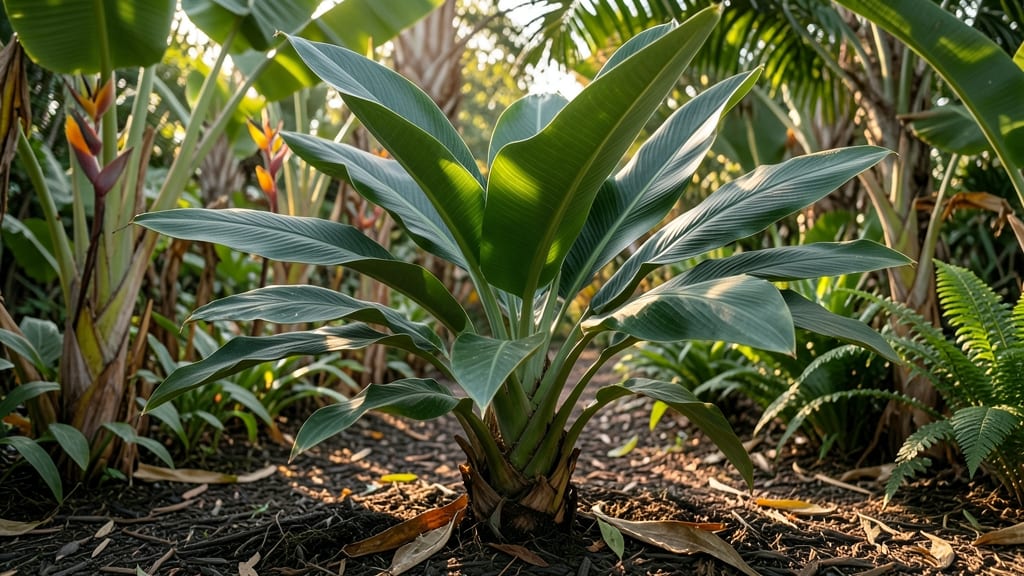
Growing the laksa leaf plant is like having a fast-growing green machine that doubles as a kitchen superstar. 🌿 This tropical vine shoots up in weeks, giving you fragrant leaves perfect for curries, soups, or garnishes—plus, it looks stunning in hanging baskets with its glossy foliage.
The key? Mimicking its humid, shaded jungle roots in your home garden.
Start with a well-draining potting mix rich in organic matter, and keep it consistently moist but never soggy. Laksa leaf thrives in bright, indirect light—think dappled shade under a tree or a north-facing window.
Temperatures above 60°F keep it happy, so if you're in a cooler zone, bring it indoors during winter. Propagation is a breeze: simply snip a healthy stem, dip it in rooting hormone, and watch new roots form in 2-3 weeks.
Harvest leaves regularly to encourage bushier growth, and pinch back leggy stems to maintain shape. The more you use it, the more it produces—bold, peppery leaves that elevate any dish. Just watch for spider mites in dry air (mist leaves often) and root rot if drainage is poor.
With the right care, this vine rewards you with harvests in as little as 60 days.
Perfect for cooks who love fresh herbs and gardeners who crave drama—laksa leaf delivers both. Try it in containers, along trellises, or as a lush houseplant. Once you grow it, you’ll never buy it again. Ready to cultivate your own? Let’s get those vines climbing!
📚 In This Guide
- What you need
- Instructions
- Tips and common mistakes
- Wrapping up and next steps
What you need
- ● Laksa leaf seeds or cuttings: 5–10 seeds (or 2–3 healthy cuttings for faster growth). Look for organic, non-GMO seeds if possible.
- ● Growing containers: For seeds: 4–6-inch pots or seed trays with drainage holes (2–3 containers).
- ● For cuttings: 6–8-inch pots or a hanging basket (1 container).
- ● Well-draining potting mix: 2–3 gallons of a light, airy blend (e.g., 60% coco coir, 30% perlite, 10% compost). Avoid heavy clay soil.
- ● Gravel or perlite: 1 cup (for the pot’s drainage layer).
- ● Watering can or spray bottle: With a fine mist nozzle for gentle hydration.
- ○ Humidity dome or plastic wrap: (Optional but helpful for seed germination.)
- ● Grow lights or sunny windowsill: A full-spectrum LED grow light (12–16 hours/day) or a south-facing window with 6+ hours of direct sunlight.
- ● Fertilizer: Seedlings: Balanced liquid fertilizer (e.g., 10-10-10) diluted to half-strength (1 tsp/gallon).
- ● Mature plants: Organic compost tea or fish emulsion (every 4–6 weeks).
- ● Temperature: Laksa leaves thrive in 70–85°F (21–29°C). Avoid drafts or temps below 60°F (15°C).
- ● Humidity: 60–70% (use a humidifier or pebble tray if your home is dry).
- ● Space: Vines can grow 3–6 feet long—plan for vertical support (e.g., trellis, stakes, or hanging pots).
- ● Patience: Seeds germinate in 7–14 days; cuttings root in 2–3 weeks.
- ● 🌱 Test your soil: Laksa leaves hate soggy roots—ensure your mix drains water within 10–15 minutes.
- ● 🔥 Label your pots! Laksa leaves look similar to other greens—mark them to avoid mix-ups.
- ● ✨ Harvest young: Pick leaves when 4–6 inches long for the strongest flavor.
Step-by-step instructions for growing laksa leaf plant
Here's how to cultivate this aromatic vine quickly and keep it thriving for months of bold harvests.
🌱 Step 1: Select the Right Container and Soil
Choose a 10-12 inch diameter pot with drainage holes—laksa leaf vines need room to sprawl. I use terracotta because it breathes and prevents root rot, which this tropical plant dislikes. Fill the bottom third with orchid bark mix for aeration, then add well-draining potting soil mixed with 20% perlite.
Press the soil down lightly so it's firm but not compacted. The mix should feel like a damp sponge—not soggy, not dry. Laksa leaf roots are sensitive to waterlogging, so good drainage is non-negotiable. Tap the pot gently on the table to settle the soil evenly before planting.
☀️ Step 2: Plant and Position for Maximum Light
Place your laksa leaf cutting (with at least 3-4 nodes) in the soil, angling it slightly so the nodes are buried 1-2 inches deep. Gently firm the soil around the stem to secure it without crushing. This vine thrives in bright, indirect light—think east or west-facing windows, or 6+ hours of filtered sun daily.
If you're using a grow light, position it 12-18 inches above the plant and leave it on for 12-14 hours daily. You'll know the light is right when new leaves emerge with vibrant green color and no yellowing. Too little light causes leggy growth, while too much direct sun scorches the delicate foliage.
💧 Step 3: Water and Maintain Humidity
Water thoroughly until water drains from the bottom, then let the top 1-2 inches of soil dry out before watering again. Laksa leaf plants hate soggy roots but also dislike drying out completely. I check moisture by sticking my finger in the soil—if it feels slightly damp 1 inch down, hold off on watering.
Place the pot on a tray of pebbles with 1 inch of water underneath to increase humidity. This tropical vine loves moisture in the air, and the pebble tray mimics its natural humid environment. Mist the leaves lightly 2-3 times weekly, but avoid wetting the foliage if your home stays humid naturally.
✂️ Step 4: Prune and Encourage Bushy Growth
When the vine reaches 12-18 inches long, pinch back the tips to encourage bushier growth. I use clean scissors to trim just above a leaf node, which signals the plant to branch out. Regular pruning also keeps the harvest abundant—you'll get more leaves if you maintain the plant's shape rather than letting it grow wild.
Harvest leaves by snipping individual stems just above a node. The plant recovers quickly, and you can harvest every 2-3 weeks without stressing it. If you notice yellowing leaves, it's often a sign of overwatering or low light—adjust your care routine immediately to keep the plant healthy.
🪴 Step 5: Fertilize and Repot as Needed
Feed your laksa leaf plant every 4-6 weeks with a balanced liquid fertilizer diluted to half strength. Over-fertilizing burns the roots, so always follow the package instructions carefully. I use a water-soluble fertilizer because it's easy to control and won't accumulate salts in the soil.
Repot the vine every 12-18 months or when roots start circling the pot. Choose a container that's 2-3 inches larger in diameter and refresh the soil mix to prevent nutrient depletion. Laksa leaf plants are fast growers, so they appreciate the extra space to spread out and thrive.
Tips & tricks for growing bold laksa leaf plants
These little-known tricks will help you grow a thriving laksa leaf vine that produces abundant, aromatic leaves in record time.
Rooting Magic: If your cutting isn't rooting within 2-3 weeks, try using a rooting hormone on the nodes before planting. I've found that dipping the bottom 1-2 inches in hormone powder before burying it in the soil mix gives a 90% success rate. Place the pot in a warm spot (around 70°F) with bright, indirect light to encourage faster root development. This tropical vine loves warmth, so a seedling heat mat set to low can work wonders if your home stays cool.
Lighting Secrets: For the 12-14 hours of daily light, I recommend using a full-spectrum LED grow light if natural light is limited. Position it 12-18 inches above the plant and adjust the height as the vine grows. You'll notice the leaves will darken slightly when they're getting enough light—this is normal and actually indicates healthy photosynthesis. If your leaves start stretching toward the light source (leggy growth), it's a sign you need to increase light intensity or duration.
Harvesting Hack: The plant can handle harvesting every 2-3 weeks, but here's a pro tip: always harvest from the bottom leaves first. This encourages new growth from the top while keeping the plant balanced. I also like to harvest just before the leaves reach their full size—they'll be more tender and flavorful. After harvesting, give your plant a light misting and a quick check of the soil moisture to help it recover quickly.
Troubleshooting Tip: Yellowing leaves usually mean overwatering or poor drainage. If you notice this, let the top 2-3 inches of soil dry out completely before watering again. For extra insurance, I add a handful of perlite to the soil mix every time I repot—this helps prevent compaction and keeps those roots happy. Remember, laksa leaf plants prefer to dry out slightly between waterings rather than sitting in soggy soil.
Pro Tips for Laksa Leaf Plant
- These little-known tricks will help you grow a thriving laksa leaf vine that produces abundant, aromatic leaves in record time.
- Rooting Magic: If your cutting isn't rooting within 2-3 weeks, try using a rooting hormone on the nodes before planting.
- Lighting Secrets: For the 12-14 hours of daily light, I recommend using a full-spectrum LED grow light if natural light is limited.
Frequently asked questions
Got questions about growing or using laksa leaf plants? You’re not alone! Here are some of the most common queries—plus quick, actionable answers to help you thrive with this aromatic vine.
How fast does the laksa leaf plant grow?
The laksa leaf plant (Vietnamese coriander) is a fast grower, typically reaching harvestable size in 4–6 weeks from seed. With ideal conditions—warmth, humidity, and partial shade—you can expect new leaves every 2–3 weeks once established. Prune regularly to encourage bushier growth!
What’s the best climate for growing laksa leaves?
This tropical vine loves warmth and humidity. Plant in USDA zones 10–12 or grow it as an annual in containers if you live in cooler areas. Keep soil temps above 60°F (15°C)—it hates frost and may bolt or die in cold snaps. A greenhouse or indoor setup works great for year-round harvests!
Can I substitute laksa leaves for other herbs like cilantro or Thai basil?
While they share citrusy, anise-like flavors, laksa leaves are more aromatic and slightly sweeter than cilantro. For Thai basil, the peppery notes differ. Use a 1:1 ratio in recipes, but note that laksa leaves mellow when cooked—add them late to dishes like soups, stir-fries, or fresh salads for maximum punch!
Why are my laksa leaves turning yellow or wilted?
Yellowing leaves often signal overwatering or poor drainage. Let soil dry slightly between waterings and ensure pots have drainage holes. Wilting can also mean underwatering or heat stress. Move plants to partial shade if leaves crisp in hot sun. Pests like aphids may also attack—spray with neem oil if needed!
How do I harvest laksa leaves without killing the plant?
Harvest by snipping outer leaves with clean scissors, leaving the inner growth intact. Avoid cutting more than 1/3 of the plant at once. For a bushier harvest, pinch back tips occasionally. Morning harvests yield the freshest, most flavorful leaves—perfect for your next laksa or herbal tea!
Wrapping up and next steps
The laksa leaf plant is a vibrant, fast-growing vine that brings bold flavors and lush greenery to your garden—or even your kitchen! 🌿 Whether you’re a seasoned gardener or just starting, its easy care and versatile uses make it a rewarding addition to any space. Ready to dive in?
Your next step? Start small—grow a few vines in pots or a sunny corner of your yard, and soon you’ll be harvesting fresh, aromatic leaves for soups, teas, or garnishes. Happy planting! 🌱