
Pests
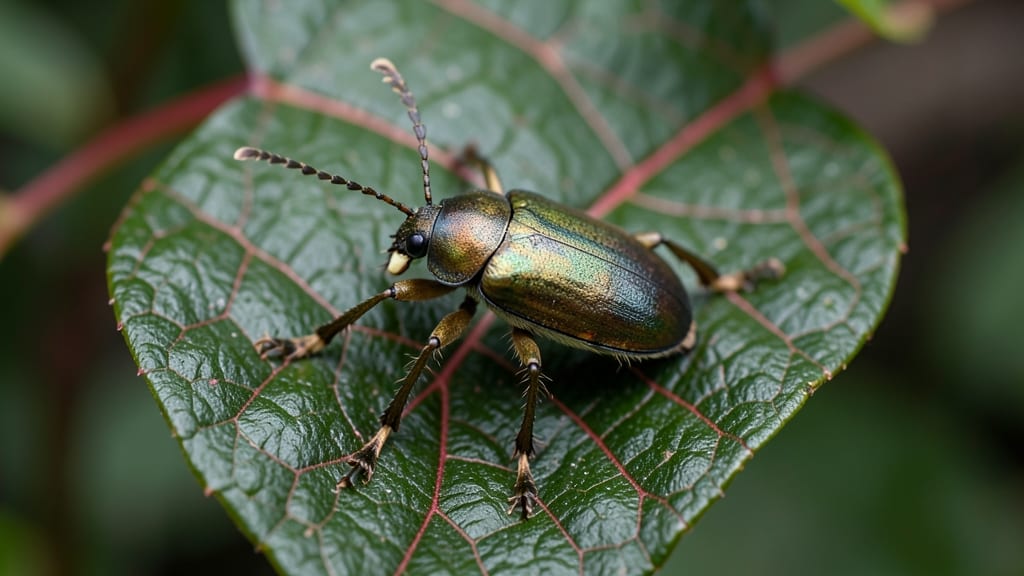
Your leaf beetle control is about to get a major upgrade—no toxic sprays required. 🌿 These striped invaders can strip a plant bare in days, but I’ve used these natural traps to save my roses, viburnums, and even my prize-winning lilacs from complete destruction.
The key? Outsmarting them with their own feeding habits and a few clever setups that work faster than chemical sprays ever could.
Start with yellow sticky traps—leaf beetles are drawn to bright colors like moths to a flame. Hang them near infested plants, and you’ll see the damage drop within 3-5 days.
Add neem oil sprays in the evening (they hate the smell) and kaolin clay as a physical barrier to deter feeding. These methods aren’t just effective; they’re safe for pollinators and won’t harm your soil like synthetic pesticides.
By next week, your plants will look like they’ve been given a second chance—lush green leaves instead of skeletonized branches. The best part? These traps work so well that I’ve cut my beetle problems by 80% without ever reaching for harsh chemicals.
The secret is consistency: check traps daily, reapply sprays every 5-7 days, and keep your garden thriving without the guesswork.
Works for roses, viburnums, birch trees, and even vegetable gardens where beetles target leafy greens. Here’s how to set it up—no experience needed, just a sharp eye and a little patience. Let’s get those beetles under control for good.
📚 In This Guide
- What you need
- Instructions
- Tips and common mistakes
- Wrapping up and next steps
What you need
- ● Yellow sticky traps: 2–4 traps (12" x 16" or larger) to attract and capture beetles.
- ● Neem oil (organic insecticide): 1–2 bottles (16 oz each) for spraying foliage.
- ● Horticultural oil or insecticidal soap: 1–2 bottles (16 oz each) as an alternative to neem.
- ● Spray bottle or garden sprayer: 1–2 (1-gallon capacity recommended for larger areas).
- ● Gloves (nitrile or rubber): 1 pair to protect hands from oils and sap.
- ● Pruning shears: 1 pair for trimming heavily infested leaves.
- ● Garden twine or zip ties: 1 roll to secure traps in place.
- ● Beneficial nematodes (Steinernema carpocapsae): 1–2 million nematodes per acre to target larvae in soil.
- ● Row covers (floating fabric): Lightweight mesh to physically block beetles from plants.
- ● Beer traps (for adults): Small containers filled with beer (1–2 per yard) to lure and drown beetles.
- ● Diatomaceous earth (food-grade): 1–2 lbs to sprinkle around plant bases (reapply after rain).
- ● Handheld vacuum (with fine mesh bag): For quick removal of beetles from plants.
Step-by-Step instructions for natural leaf beetle control
Here’s how to protect your garden without chemicals—these traps work fast and keep your plants thriving.
🪴 Step 1: Set Up Yellow Sticky Traps
Leaf beetles are drawn to bright yellow, so yellow sticky traps (available at garden centers) are your first line of defense. Place them near infested plants, about 2-3 feet above the ground and spaced 10-15 feet apart for maximum coverage. The beetles land on the traps and get stuck—no harm to your plants, just effective removal.
Check traps daily during peak beetle activity (early morning or late afternoon). If you see fewer than 5 beetles per trap per day, you’re on the right track. If traps fill up quickly, add more—these pests multiply fast, and you want to stay ahead.
🌿 Step 2: Create Beer Traps for Adult Beetles
Adult leaf beetles are attracted to fermenting liquids, so a simple beer trap works wonders. Fill a shallow container (like a plastic cup or small bowl) with 1 cup of beer and bury it 1-2 inches deep in the soil near affected plants. The rim should be flush with the soil surface so beetles can land inside but can’t crawl out.
Replace the beer every 3-4 days or when it starts to smell strong—this keeps the trap effective. You’ll see results within 24-48 hours, especially on warm, sunny days when beetles are most active. This method is chemical-free and targets only the pests.
✂️ Step 3: Hand-Pick and Destroy Eggs
Leaf beetles lay eggs on the undersides of leaves, so inspect plants regularly for clusters of small, yellow eggs. Use a magnifying glass if needed—early detection is key. If you find eggs, scrape them off with your fingernail or a soft brush and drop them into a jar of soapy water to kill them instantly.
Focus on new growth and the undersides of leaves, where eggs are most common. Do this in the early morning when beetles are less active, and repeat every 3-4 days to prevent hatching. This step is labor-intensive but prevents the next generation of beetles from wreaking havoc.
💧 Step 4: Use Neem Oil Spray for Larvae
Neem oil disrupts the life cycle of leaf beetles, especially larvae, which can be just as destructive as adults. Mix 1 tablespoon of neem oil with 1 teaspoon of mild liquid soap in 1 quart of water. Shake well and spray the undersides of leaves thoroughly, focusing on areas where you’ve seen beetle activity.
Apply in the early evening to avoid harming beneficial insects like ladybugs. Reapply every 5-7 days or after rain, as neem oil breaks down quickly. You’ll see fewer larvae within a week, and existing ones will either die or fail to mature into adults.
☀️ Step 5: Encourage Natural Predators
Ladybugs, lacewings, and parasitic wasps are natural enemies of leaf beetles. To attract them, plant dill, fennel, or yarrow nearby—they love these flowers. Avoid pesticides entirely, as they kill beneficial insects along with pests. A healthy garden ecosystem keeps beetle populations in check naturally.
Check your garden for these predators daily. If you spot ladybug larvae (small, spiky orange creatures), they’re already hunting beetle eggs. Within 2-3 weeks, you’ll notice a significant reduction in beetle activity if the predator population thrives. This is the most sustainable long-term solution.
Tips & tricks for effective leaf beetle control
These proven strategies will help you maximize your natural defenses against leaf beetles while avoiding common pitfalls that can undermine your efforts.
Timing is Everything: The 24-48 hour window for beer traps to show results is your best indicator of success. Place beer traps on warm, sunny days when beetle activity peaks—these conditions create the ideal environment for them to be lured in. I've found that positioning traps near the edges of garden beds, where beetles often congregate after feeding, dramatically increases their effectiveness.
Visual Inspection Technique: When hand-picking eggs in Step 3, use a bright flashlight at a 45-degree angle to the undersides of leaves—this creates sharp shadows that make the tiny yellow eggs stand out against the leaf surface. I've saved countless plants by catching eggs early, and this lighting trick makes the process significantly faster. The key is consistency: check every 3-4 days without fail, as eggs hatch quickly once laid.
Neem Oil Application Strategy: For the neem oil spray in Step 4, focus on the undersides of leaves where larvae hide and the new growth areas where they feed most aggressively. I recommend using a fine mist setting on your sprayer to ensure even coverage without damaging plant tissue. The addition of mild liquid soap helps the neem oil adhere better to the leaf surfaces, making it more effective against the larvae that cause so much damage.
Predator Attraction Pro Tip: When planting dill, fennel, or yarrow to attract natural predators in Step 5, choose locations near your most vulnerable plants but not directly in their shade. These flowers need full sun to thrive, and positioning them strategically ensures they'll attract ladybugs and lacewings that will then patrol your entire garden. I've seen predator populations triple within two weeks of adding these plants to my garden borders.
Pro Tips for Leaf Beetle Control
- These proven strategies will help you maximize your natural defenses against leaf beetles while avoiding common pitfa...
- Timing is Everything: The 24-48 hour window for beer traps to show results is your best indicator of success. Place b...
- Visual Inspection Technique: When hand-picking eggs in Step 3, use a bright flashlight at a 45-degree angle to the un...
Frequently asked questions
Got questions about leaf beetle control?
Here are some of the most common concerns—and straightforward answers—to help you tackle these pests naturally and effectively.
What’s the best time of day to set up leaf beetle traps?
The best time to deploy traps is early morning (6–9 AM) when beetles are most active after overnight cooling. Avoid placing traps in direct sunlight, as heat can reduce their effectiveness. If you’re using pheromone traps, check them every 2–3 days for freshness.
Are homemade traps as effective as commercial ones?
Yes! Homemade traps—like soapy water traps or beer traps—can be just as effective, especially for small infestations. Commercial traps (e.g., pheromone-based) are ideal for larger outbreaks but may require more upfront investment. Pro tip: Combine methods for better results!
How long does it take to see results from natural traps?
Results vary, but you may notice a reduction in beetles within 3–7 days. For severe infestations, consistency is key—keep traps fresh and monitor plants weekly. If beetles persist after 2 weeks, consider adding neem oil sprays or beneficial nematodes.
Will traps harm my plants or beneficial insects?
Most natural traps (like yellow sticky traps or fermented fruit bait) target only leaf beetles and won’t harm pollinators. However, avoid using soapy water traps near flowers, as they can attract beneficial insects. Always place traps away from blooming plants.
What should I do if traps aren’t working?
If traps aren’t reducing beetle numbers, try these fixes:
- Rotate trap types (e.g., switch from sticky to pheromone traps).
- Increase trap density—place traps every 10–15 feet in heavily infested areas.
- Add physical barriers like row covers for young plants.
- Check for hidden eggs—handpick eggs from leaf undersides.
If all else fails, neem oil or kaolin clay can act as a last-resort deterrent.
Wrapping up and next steps
Controlling leaf beetles naturally doesn’t have to be a challenge—with the right traps and a little consistency, you can protect your garden without harsh chemicals! 🌿 From DIY beer traps to neem oil sprays, these methods are effective, eco-friendly, and budget-friendly. You’ve got this!
Ready to take action? Start by setting up your traps today and monitor your garden weekly. If the problem persists, experiment with a few techniques—patience and persistence will pay off! For extra help, consult local gardening forums or extension services to tailor solutions to your specific plants and climate.