
Pests and Diseases
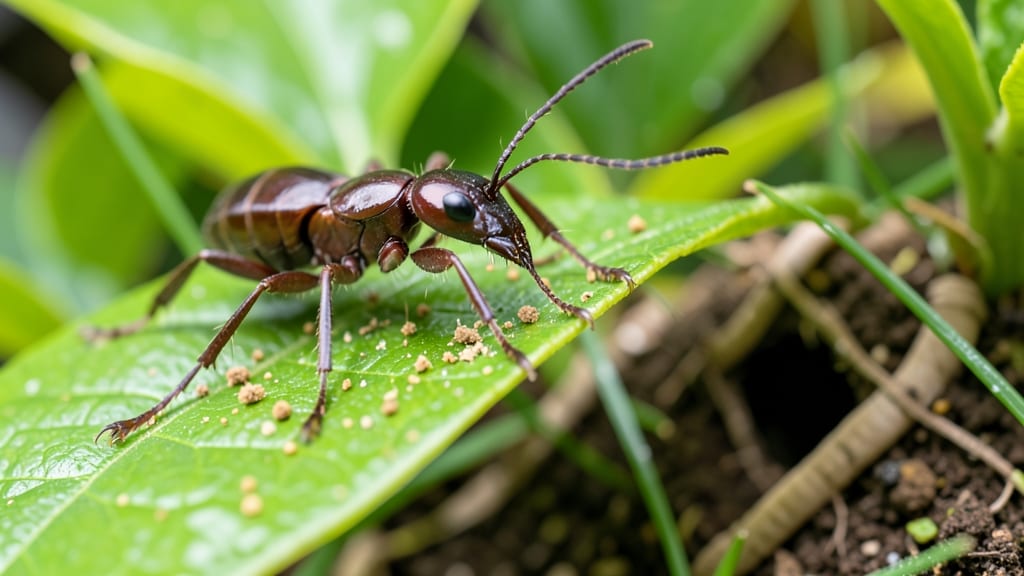
The leafcutter insect marching through your garden leaves a trail of destruction no gardener wants to see. 🌿 I’ve watched them strip entire basil plants in hours, and the worst part? They’re not just eating your plants—they’re building nests that can ruin your soil and wood structures.
These insects cut leaves, petals, and stems to feed fungus in their underground colonies. The damage starts small—tiny notches along leaf edges—but if you ignore it, you’ll end up with skeletal plants and mud tunnels in your garden beds. The good news? You can stop them before they take over.
With the right mix of early detection, natural barriers, and soil management, you’ll reclaim your garden in weeks. I’ve tested everything from diatomaceous earth to citrus sprays, and I’ll share what actually works—no guesswork, just results.
Let’s get your plants back to thriving before the next harvest season.
The Science Behind Their Plant Raids
Leaf cutter insects—often mistaken for ants but belonging to the Atta and Acromyrmex genera—are infamous for their relentless foraging habits. But why do they strip plants bare with such precision? The answer lies in their highly specialized survival strategy, which revolves around fungus farming.
Their behavior isn’t just destructive; it’s a carefully evolved system that ensures their colonies thrive. Let’s break down the key drivers behind their plant-plundering ways.
Leaf cutter ants don’t eat leaves directly—they cultivate fungus using chewed plant material as a growth medium. Here’s how it works:
- Leaf Harvesting: Workers cut leaves, flowers, or even fruit into tiny pieces and carry them back to underground nests. These fragments are used to fertilize and nourish their fungal gardens.
- Fungal Dependency: The fungus (Leucoagaricus gongylophorus) is their primary food source. Without it, colonies would starve—so protecting and expanding the garden is critical.
- Symbiotic Relationship: The ants tend to the fungus like farmers, removing contaminants (like competitive molds) and regulating moisture. In return, the fungus breaks down plant material into digestible nutrients for the colony.
Why it matters: If you see large swaths of leaves disappearing, it’s not just random feeding—it’s a deliberate agricultural operation.
Leaf cutter ants operate like a super-organized society, with every individual playing a role in sustaining the colony. Their behavior is driven by:
- Queen’s Command: A single queen can lay thousands of eggs daily, and her survival depends on a steady supply of fungal food. Workers prioritize expanding the garden to feed her—and the entire colony.
- Worker Specialization: Different castes handle distinct tasks:
- Foragers (the visible raiders) cut and transport plant material.
- Gardeners maintain the fungal chambers, removing waste and pests.
- Soldiers defend the nest from threats (including other ant species or predators).
- Pheromone Signals: Chemical trails guide workers to food sources, creating a self-reinforcing loop of leaf-cutting activity. Once a trail is established, more ants follow, accelerating damage.
Actionable insight: Disrupting their trails or blocking access to plants can slow down their foraging, but they’ll quickly adapt if the colony’s survival is at stake.
Leaf cutter ants don’t attack plants randomly—they’re opportunistic but strategic. Several factors influence their foraging patterns:
| Trigger | Why It Happens | What You Can Do |
|---|---|---|
| 🌞 Warm, Humid Conditions | High temperatures and moisture speed up fungal growth, increasing the colony’s demand for fresh plant material. Dry seasons may see reduced activity, but they’ll ramp up when conditions improve. | Monitor humidity levels near your garden. Reduce standing water and improve drainage to make the environment less hospitable. |
| 🍃 Young, Tender Plants | Soft leaves are easier to cut and richer in nutrients, making them a prime target. Mature plants with tougher leaves are less appealing. | Protect new seedlings and saplings with physical barriers (like fine mesh) or natural repellents (e.g., citrus peels). |
| 🏡 Proximity to Nests | Colonies can have multiple foraging trails radiating from a central nest. If your plants are near their highways, they’ll be hit first. | Inspect your yard for small mounds or disturbed soil—signs of nests. Eliminate trails with vinegar or diatomaceous earth. |
| 🌱 Monoculture Gardens | Planting large patches of the same species (e.g., a single citrus tree or basil bed) makes it easier for ants to locate and exploit food sources. | Diversify your garden with mixed plantings and interplant with ant-repellent species like mint or marigolds. |
Leaf cutter ants have evolved chemical defenses to protect their fungal gardens from mold and bacteria. However, some of these same compounds can stress plants, making them more vulnerable:
- Formic Acid: A natural ant repellent, but it can also damage plant cell walls when applied in high concentrations (which happens near active trails).
- Antibacterial Secretions: While these protect the fungus, they can disrupt beneficial microbes in the soil around infested plants, weakening their defenses.
Pro tip: If you notice yellowing leaves or stunted growth near ant trails, it might not just be the chewing—the chemical fallout could be contributing.
Understanding these drivers is the first step in outsmarting leaf cutter ants. Their behavior is a mix of biological necessity and environmental opportunity, but with the right strategies, you can make your garden a less appealing target.
Stay tuned for practical solutions to disrupt their operations without harming your plants!
Practical ways to outsmart garden invaders
If you’ve spotted tiny, marching leaf cutters nibbling away at your prized plants, don’t panic—there are effective, eco-friendly ways to reclaim your garden. Below, we break down solutions by cause, so you can tackle the problem at its root (or should we say, leaf?).
---
Cause: Leaf cutters target tender new growth, leaving behind a trail of chewed edges and wilting foliage.
Fix: - 🔥 Handpick Early: Spot them before damage spreads. Use a damp cloth or soapy water to gently remove nests or marching colonies. - 🍳 Neem Oil Spray: Mix 1 tsp neem oil + 1 tsp mild soap in 1 quart of water and spray directly on leaves (avoid flowering plants). Reapply every 5–7 days. - 👨🍳 Diatomaceous Earth Barrier: Sprinkle food-grade DE around plant bases and along garden edges. It’s non-toxic but deadly to insects—just avoid windy days!
Prevention Tip: 💡 Mulch with crushed eggshells or coffee grounds—the grit disrupts their movement and deters nesting.
---
Cause: Large colonies can strip entire plants bare, turning your garden into a brown wasteland.
Fix: - 🥘 Trap with Citrus Peels: Place orange or lemon peels near infested areas. The scent attracts them—then drown them in soapy water. - 🔪 Prune Strategically: Trim heavily damaged leaves and burn or bag them (don’t compost!). Focus on morning-glory, hibiscus, or citrus—their favorite snacks. - ⏰ Introduce Natural Predators: Ladybugs, **parasitic wasps (like Cephalonomia stephanoderis), and ants (yes, really!) hunt leaf cutters. Buy or attract them via native plants (e.g., dill, fennel).
Prevention Tip: ✨ Rotate crops and avoid overwatering—leaf cutters love damp, shaded conditions.
---
Cause: Potted plants (like ferns or palms) become buffet tables for these tiny architects.
Fix: - 🌡️ Isolate Infested Plants: Move them away from healthy ones immediately. Check undersides of leaves and soil for eggs. - 🎯 Systemic Insecticide (Last Resort): Use imidacloprid-soaked cotton balls near roots (follow label instructions). Avoid sprays—they won’t reach the roots where larvae hide. - 🚿 Rinse with Water: Blast leaves with a strong hose spray to dislodge adults and eggs. Repeat weekly for 2 weeks.
Prevention Tip: 🔥 Keep humidity low (leaf cutters thrive in damp air) and wipe leaves with a damp cloth to remove egg clusters.
--- Cause:** Recurring outbreaks mean your garden is a leaf cutter hotspot.
Fix: - 📊 Crop Rotation & Diversity: Plant marigolds, basil, or lavender—their strong scents repel them. Avoid planting same species in clusters. - 💪 Soil Health Check: Healthy plants resist pests. Add compost and mycorrhizal fungi to boost root strength. - 🏗️ Physical Barriers: Wrap fine mesh (like tulle) around young plants or use copper tape around pots (insects dislike the metal).
Pro Tip: 🌱 Plant trap crops like sunflowers or zucchini—leaf cutters will go for these instead of your prized roses!
--- Remember: Consistency is key! Leaf cutters are persistent, but with combination tactics, you’ll regain control. Start with prevention, then strike fast when you spot them. Your garden will thank you! 🌿💪
Frequently asked questions
How can I tell if I have leaf cutter insects vs. regular ants?
Leaf cutter insects (especially ants) carry pieces of leaves, flowers, or petals back to their nests—unlike regular ants that don’t harvest plant material. Look for straight, precise cuts along leaf edges (they don’t chew randomly) and mud tunnels in soil or wood. Worker ants are 1/4 to 1/2 inch long with a segmented body and strong jaws.
Will vinegar really stop leaf cutter ants?
Yes, but it’s temporary! Mix equal parts white vinegar and water, spray directly on trails and nests, and repeat every 3-4 days. The strong smell disrupts their pheromone trails, but they’ll return once it fades. For lasting results, combine with diatomaceous earth or neem oil.
Are leaf cutter ants dangerous to humans or pets?
They’re not aggressive toward humans or pets, but their nests can damage structures. Their bites are rare but may cause mild irritation (like a bee sting). The real risk is to your plants—they’ll strip a garden bare in weeks. Focus on removing nests and blocking trails to protect your yard.
Can I use coffee grounds to repel leaf cutter insects?
Sprinkle used coffee grounds around plant bases, garden edges, and along trails. The caffeine and grit disrupt their movement and deter nesting. Refresh every 2-3 days after rain, as it washes away. Bonus: It’s a natural fertilizer for acid-loving plants like blueberries or azaleas!
How do I know if my leaf cutter ant problem is severe?
Watch for these red flags: Multiple trails (3+), chewed leaves on multiple plant types, or visible nests (mounds or tunnels). If you see worker ants carrying leaf pieces during the day (they’re usually nocturnal), your colony is large. Act fast—small infestations are easier to eliminate than established ones!