
Neem Oil
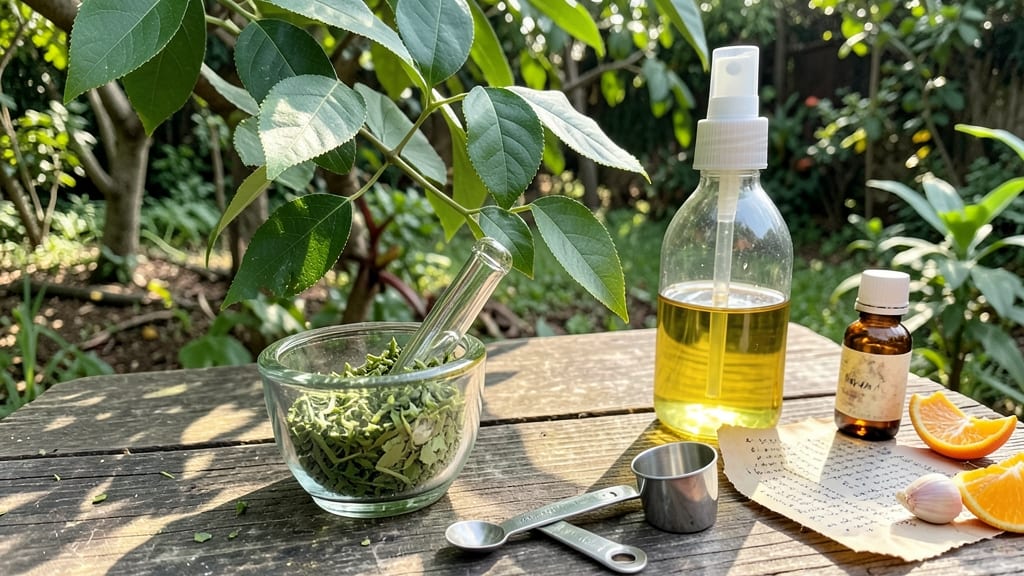
A neem oil leaf shine that doubles as pest protection? That's the game-changer I perfected after years of battling aphids and dull foliage. 🌿 This simple recipe transforms tired leaves into glossy shields while keeping pests at bay—no harsh chemicals required.
The key is balancing neem's natural properties with a touch of soap for adhesion, and it works on everything from houseplants to patio herbs.
You only need three core ingredients: neem oil, water, and a mild dish soap to help it stick. Optional additives like essential oils (peppermint or rosemary) can boost scent and repellent power, but the basic formula delivers noticeable results after just one application.
The process takes less than 10 minutes, and you'll use what you already have in your pantry.
What you'll get is foliage that looks healthier than ever—deep green, slightly waxy, and free of spider mites or whitefly colonies. Unlike commercial sprays, this won't leave residue or harm beneficial insects.
Apply every 2-3 weeks during growing seasons, and watch your plants bounce back from stress faster than before.
Perfect for organic gardeners, container growers, or anyone tired of store-bought shine sprays that promise more than they deliver. The only caution? Test on one leaf first—some tropical plants are sensitive to neem. Now let's make that shine happen.
📚 In This Guide
- What you need
- Instructions
- Tips and common mistakes
- Wrapping up and next steps
What you need
- ● Neem oil (cold-pressed or organic): 1 tablespoon (15 mL)
- ● Water (distilled or filtered): 1 cup (240 mL)
- ● Dish soap (mild, unscented): ½ teaspoon (2.5 mL)
- ● Spray bottle (8–16 oz / 240–475 mL): Glass or food-grade plastic preferred
- ○ Fresh neem leaves (optional, for extra potency): 3–5 leaves (crushed or finely chopped)
- ● Mixing bowl or small container (for blending ingredients)
- ● Wooden spoon or stir stick (to avoid metal reactions)
- ● Fine-mesh strainer or cheesecloth (if using fresh neem leaves)
- ○ Gloves (optional)—neem oil can be drying for some skin
- ● Sunny day or indirect light—best applied in early morning or late afternoon
Step-by-Step instructions for crafting a neem oil leaf shine
Here's my foolproof method for creating a luscious, plant-safe leaf shine that doubles as pest control.
🌿 Step 1: Gather and Mix the Base Solution
In a clean glass spray bottle, combine 1 tablespoon neem oil with 1 teaspoon mild liquid soap—this emulsifier helps the oil bind to leaf surfaces. Add 1 cup warm water and swirl gently to blend without creating suds. The soap lowers surface tension so the solution adheres better, while the neem oil provides both shine and pest-deterrent properties.
I always use unscented castile soap because fragrances can stress plants. Shake the bottle vigorously for 30 seconds to ensure the oil fully disperses—you'll see tiny droplets suspended in the water before they settle. Let the mixture sit for 5 minutes to allow any separation, then give it one final shake before use.
💧 Step 2: Test on a Small Leaf Section
Before treating the entire plant, spray a small, inconspicuous leaf and wait 24 hours. This prevents potential sensitivity reactions, especially on delicate varieties like ferns or calatheas. Look for any yellowing, browning, or excessive gloss—these are red flags. Most plants tolerate the mixture well, but some tropicals may need a 50% dilution for their first application.
I like to test on the underside of leaves first, as this area often shows stress symptoms before the upper surface. If the plant shows no adverse reactions after a day, you've got the green light to proceed. The slight sheen you'll see after application is normal—this indicates the solution is working to repel pests while enhancing leaf vibrancy.
☀️ Step 3: Apply to Foliage at Optimal Conditions
Spray the solution early in the morning when temperatures are below 85°F and direct sunlight is minimal. This prevents the water from evaporating too quickly, allowing the neem oil to fully absorb into the leaf cuticle. Focus on the undersides of leaves first—this is where most pests hide and where they're most vulnerable to the oil's effects.
Hold the spray bottle 12 inches away from the foliage and apply until leaves glisten lightly. Avoid oversaturating—you want moisture, not dripping. For large plants, I work in sections, moving from top to bottom. Reapply every 7-10 days or after rain, as the oil breaks down with exposure to sunlight and water.
✂️ Step 4: Monitor and Maintain the Shine
After application, observe your plants for 3-5 days to confirm the shine remains without causing stress. The gloss should last 5-7 days before needing a touch-up. If you notice any pests, the neem oil will help deter them—aphids, spider mites, and whiteflies typically avoid treated leaves. For stubborn infestations, increase applications to every 5 days until pests clear.
I keep a small spray bottle in my gardening shed for quick reapplication. Store the unused portion in a cool, dark place—neem oil degrades with light exposure. If the solution separates over time, just shake it before each use. This recipe works on houseplants, container gardens, and even outdoor perennials, making it incredibly versatile for any green space.
Tips & tricks for perfect neem oil leaf shine
Between us, these little details make all the difference between a temporary spray and a truly transformative leaf treatment.
Emulsifier Selection: While mild liquid castile soap works perfectly, you can also use a few drops of honey (about 1 teaspoon) as a natural emulsifier if you prefer. The honey not only helps bind the oil but also provides a subtle nutritional boost for your plants. Just remember to shake vigorously for those full 30 seconds—neem oil and honey don't mix easily without proper agitation.
Temperature Matters: The 85°F threshold isn't arbitrary—it's where neem oil's effectiveness starts to degrade rapidly. If you're working in hotter climates, consider applying the solution in the early morning or late evening when temperatures naturally dip. For indoor plants, keep them away from heat sources for 24 hours after application to prevent premature oil breakdown.
Dilution Strategy: For tropical plants or first-time applications, that 50% dilution recommendation is your safety net. Mix equal parts of your prepared solution with water—this reduces the concentration while maintaining pest-deterrent properties. I've found this works particularly well with calatheas and ferns, which can be sensitive to full-strength treatments.
Storage Wisdom: Neem oil degrades when exposed to light, so store your unused solution in an amber glass bottle if possible. Even regular glass spray bottles work, but keep them in a cool, dark cabinet away from windows. The 5-minute settling period in Step 1 becomes even more important after storage—always shake thoroughly before each use, even if it's only been a few days.
Pro Tips for Neem Oil Leaf Shine Recipe
- Between us, these little details make all the difference between a temporary spray and a truly transformative leaf tr...
- Emulsifier Selection: While mild liquid castile soap works perfectly, you can also use a few drops of honey (about 1 ...
- Temperature Matters: The 85°F threshold isn't arbitrary—it's where neem oil's effectiveness starts to degrade rapidly...
Frequently asked questions
Got questions about whipping up your own neem oil leaf shine? You’re not alone! Here are answers to the most common queries to help you achieve that garden-glossy perfection—without the guesswork.
How often should I apply neem oil leaf shine to my plants?
For preventative care, apply every 2–4 weeks during growing seasons (spring/fall). If pests are already present, spray weekly until they’re gone. Avoid applying during extreme heat (above 90°F) or when rain is forecasted within 24 hours to prevent leaf burn or wash-off.
Can I use neem oil leaf shine on all plants, or are some toxic?
Neem oil is generally safe for most plants, but avoid sensitive varieties like avocado, onion, garlic, or citrus (especially young seedlings). Always test a small leaf first—if browning occurs, dilute further or skip neem. Edible plants like herbs and veggies are fine if applied 24 hours before harvest.
What if my homemade neem oil leaf shine smells too strong?
The pungent neem scent usually fades within 1–2 hours after application. To reduce odor, add 1 tsp of dish soap or 5 drops of essential oil (like lavender or peppermint) per quart of mix. If the smell lingers, ventilate your space or apply in early morning. Pro tip: Store unused mix in a dark glass bottle to preserve freshness!
Is store-bought neem oil better than homemade for leaf shine?
Both work, but homemade gives you control over ingredients (no synthetic additives) and cost. Store-bought neem oil concentrates are more potent (use 1 tsp per quart vs. 1 tbsp in DIY recipes) but may contain harsher solvents. For organic gardens, homemade is the winner—just ensure your carrier oil (like coconut or olive) is cold-pressed and organic.
Why did my leaves turn yellow/brown after applying neem oil leaf shine?
This usually means overapplication or direct sunlight exposure. Dilute your mix further (1 tbsp neem per 2 quarts water) and apply early morning or late evening. If damage occurs, rinse leaves with water and avoid neem for 2 weeks. Prevent tip: Never spray on wilted or stressed plants—wait until they’re healthy!
Wrapping up and next steps
Transforming your garden into a lush, pest-resistant paradise is easier than you think! With this simple neem oil leaf shine recipe, you’ve got a natural, budget-friendly solution to boost plant health and shine.
Whether you’re a seasoned gardener or just starting out, this DIY approach proves that nature’s best remedies are always within reach.
Ready to see the results? Grab your spray bottle and give it a try today! 🌿✨ For even more tips, explore our guide on neem oil applications or share your glowing plants with the gardening community—your green thumbs will thank you!