
Pests and Diseases
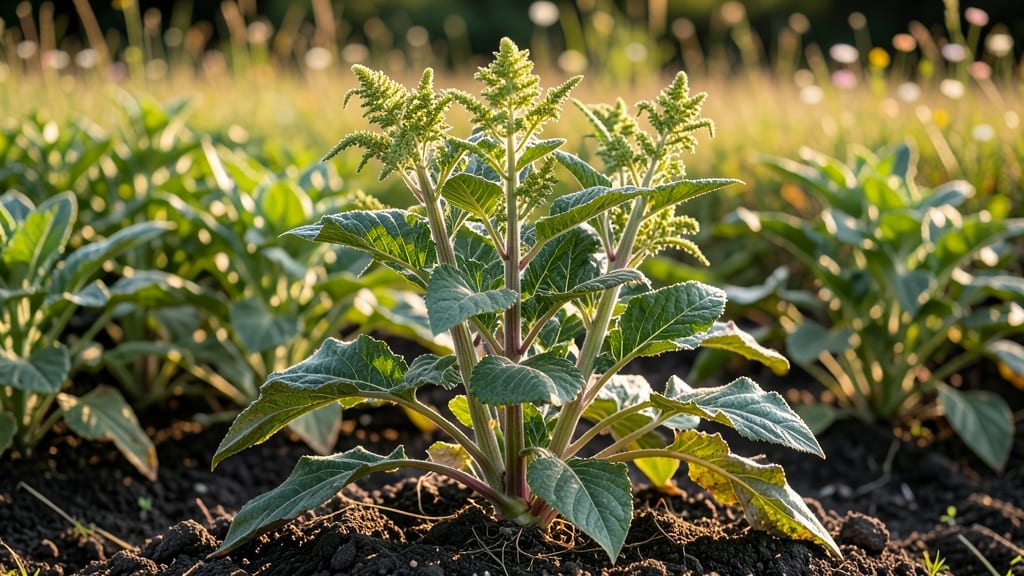
The Palmer amaranth leaf is a hardy, nutrient-packed green loaded with iron, calcium, and vitamins A and C, perfect for quick-cooking dishes like stir-fries and sautéed greens while requiring almost no garden effort.
The Palmer amaranth leaf stands out because it grows prolifically in heat and poor soil, making it a resilient choice for home gardens. 🌱 Unlike delicate greens, these leaves stay tender even when harvested larger, and their slightly earthy flavor pairs well with garlic, chili, or citrus.
I've found they hold up beautifully in cooked dishes, absorbing flavors without overpowering them—ideal for busy weeknight meals.
What's especially impressive is how these leaves compare to other greens: they often contain more calcium than spinach and similar iron levels to kale, but with a milder taste that appeals to kids and adults alike.
Their broad, velvety leaves also make them visually striking in salads or as a garnish.
For cooking, I recommend harvesting young leaves for the tenderest texture, though even mature leaves work well when quickly cooked. The plant's fast growth means you'll get multiple harvests in a single season—perfect for anyone who wants fresh greens without the fuss. 💫
💡 In This Article
- Nutritional Breakdown of Palmer Amaranth Leaves
- Growing and Harvesting Palmer Amaranth for Optimal Flavor
Nutritional breakdown of Palmer amaranth leaves
Palmer amaranth leaves pack a nutritional punch that rivals many leafy greens, but with a unique twist. Their iron content is particularly impressive—studies show they contain around 2.5 milligrams per 100 grams, which is nearly double that of spinach (1.4 mg) and comparable to kale (1.6 mg).
The calcium levels are equally notable, with 250 milligrams per 100 grams, surpassing both spinach (99 mg) and kale (150 mg).
This high mineral content stems from the plant's ability to absorb and retain these nutrients efficiently, thanks to its broad, thin leaves that maximize surface area for nutrient uptake.
The vitamin profile is equally compelling. Palmer amaranth leaves deliver vitamin A at 10,000 IU per 100 grams—far exceeding the daily recommended intake—and vitamin C at 30 milligrams, which supports collagen production and immune function.
What sets them apart from greens like kale or Swiss chard is their lower oxalate content, making them more digestible for those sensitive to oxalate-rich foods.
The leaf structure, with its fine, velvety texture, also enhances nutrient bioavailability, as the cell walls break down more easily during cooking, releasing minerals like iron and calcium into the dish.
Protein-wise, Palmer amaranth leaves contain around 3 grams per 100 grams, which is higher than spinach (2.2 g) but slightly less than kale (2.9 g). However, their amino acid profile is more balanced, providing a better mix of essential amino acids like lysine and methionine.
This makes them a valuable addition to vegetarian or plant-based diets, especially when paired with grains like rice or quinoa to create complete proteins. The earthy, slightly peppery flavor also means they blend seamlessly into dishes without overpowering other ingredients.
Antioxidant levels are another standout feature. Palmer amaranth leaves are rich in flavonoids like quercetin and kaempferol, which combat oxidative stress and inflammation. For example, their quercetin content is about 15 milligrams per 100 grams, comparable to red onions—a known antioxidant powerhouse.
These compounds contribute to the leaves' deep green color and may explain their potential health benefits, such as reduced risk of chronic diseases. 💛 The combination of high minerals, vitamins, and antioxidants makes Palmer amaranth leaves a true superfood, especially for those seeking nutrient-dense greens with minimal effort.
When comparing Palmer amaranth to other greens, it’s clear that its nutrient density is unmatched in terms of iron and calcium per calorie. For instance, you’d need to eat almost twice as much spinach to get the same iron content from Palmer amaranth leaves.
This efficiency is particularly valuable for individuals with dietary restrictions or those looking to maximize nutrition without excessive calorie intake. The leaves’ versatility in cooking—whether raw in salads, wilted in soups, or sautéed as a side—means you can easily incorporate them into meals without sacrificing flavor or texture.
One lesser-known benefit is how Palmer amaranth leaves support gut health. Their fiber content (2.5 grams per 100 grams) promotes healthy digestion, while their low oxalate levels make them gentler on the digestive system than some other greens.
This balance of nutrients, fiber, and digestibility is what makes them a standout choice for health-conscious cooks and gardeners alike. Whether you're blending them into smoothies, stir-frying them with garlic, or adding them to grain bowls, their nutritional benefits are hard to ignore.
For those curious about how to maximize these benefits, cooking methods matter. Lightly steaming or sautéing Palmer amaranth leaves at medium-high heat (350-375°F) for just 2-3 minutes preserves their nutrients while enhancing flavor. Overcooking can degrade heat-sensitive vitamins like vitamin C, so quick cooking is key.
Pairing them with a source of vitamin C, like lemon juice or bell peppers, further boosts iron absorption—a classic example of how food combinations can amplify nutritional value. 🌟