
Pests and Diseases
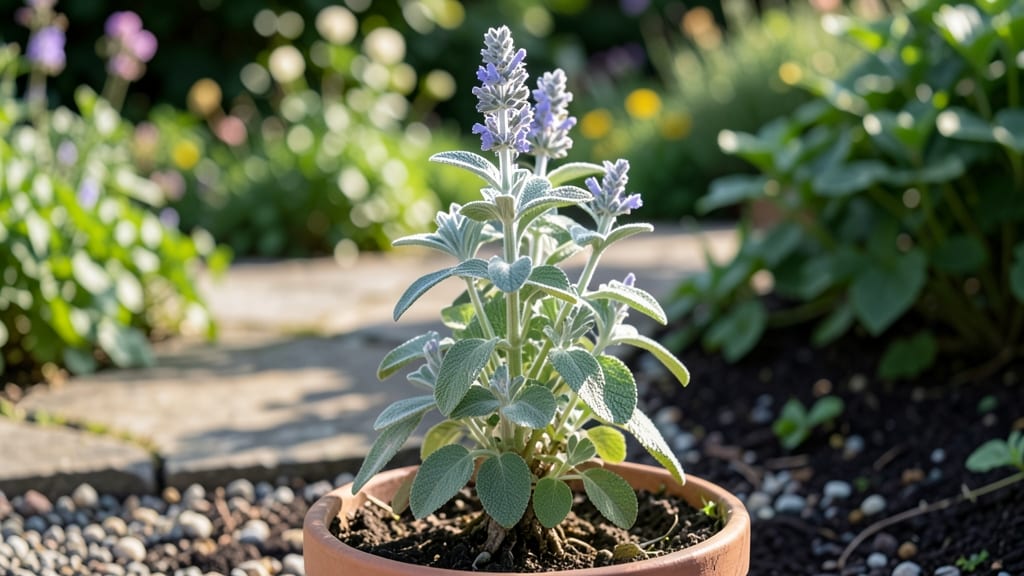
Growing broadleaf sage (Salvia officinalis) means planting a pest-repelling powerhouse that thrives year-round with minimal fuss. 🌿 I’ve watched this hardy perennial fend off aphids, deter deer, and even improve soil health while adding silvery-green foliage to my garden beds—no pesticides required.
The secret lies in its sun-loving nature and drought tolerance. Plant in well-draining soil with 6+ hours of sunlight daily, and water only when the top inch feels dry. Unlike finicky herbs, sage handles neglect better than over-attention, making it perfect for busy gardeners.
By mid-summer, you’ll harvest fragrant leaves for cooking or ornamental arrangements. Prune lightly after blooming to encourage bushier growth, and watch it bounce back from even the harshest winters. Works as a border plant, container specimen, or culinary staple. Here’s how to keep yours thriving all season.
📚 In This Guide
- What you need
- Instructions
- Tips and common mistakes
- Wrapping up and next steps
What you need
- ● Sage broad leaf plants: 3–5 mature plants (or seeds for propagation). Choose disease-resistant varieties like Salvia officinalis 'Berggarten' or 'Purpurascens'.
- ● Well-draining soil: 10–15 gallons of a mix of 60% garden soil, 30% compost, and 10% perlite/sand (for aeration).
- ● Sunlight access: Full sun (6+ hours/day) or partial shade (4–6 hours).
- ● Watering can or hose: With a gentle spray nozzle (avoid overwatering!).
- ● Organic mulch: 2–3 inches of straw or wood chips to retain moisture and deter pests.
- ○ Garden gloves (optional but recommended for handling prickly stems).
- ● Pruning shears (sharp, sterilized—sanitize with 1:9 hydrogen peroxide solution).
- ● pH test kit (ideal soil pH: 6.0–7.5).
- ● Compost bin or aged manure (for nutrient-rich soil amendments).
- ○ Pest deterrent sprays (optional): Neem oil or insecticidal soap (for preemptive care).
How to plant and maintain broadleaf sage for natural pest control
This hardy perennial thrives with minimal fuss and delivers stunning foliage while keeping pests at bay.
🌱 Step 1: Select the Right Location and Soil
Choose a spot with full sun exposure—at least 6 hours daily—where broadleaf sage can spread naturally. This variety tolerates poor, rocky, or sandy soil but performs best in well-draining mixes. I always test soil pH first—broadleaf sage prefers neutral to slightly alkaline (6.5-7.5), so amend acidic soil with crushed limestone if needed.
Loosen the top 12 inches of soil with a garden fork to improve root penetration. Avoid heavy clay—waterlogging stresses sage roots and invites fungal issues. If your soil drains poorly, mix in 2-3 inches of coarse sand or perlite per square foot to create air pockets.
🪴 Step 2: Plant at the Correct Depth and Spacing
Dig holes twice as wide as the root ball but only as deep as the container. Broadleaf sage has shallow roots, so planting too deep suffocates the crown. Gently remove the plant from its container, tease apart any circling roots, and place it in the hole so the top of the root ball sits level with the surrounding soil.
Space plants 2-3 feet apart—this gives them room to establish without competing for nutrients. I like to form a loose circle of plants around vulnerable garden areas (like vegetable beds) to create a natural pest barrier. Water deeply right after planting to eliminate air pockets in the soil.
☀️ Step 3: Water and Mulch for Long-Term Resilience
Water newly planted sage once weekly for the first month, then taper to every 2-3 weeks once established. Broadleaf sage is drought-tolerant but looks its best with consistent moisture during the first growing season. You'll know it's thirsty when the leaves start curling slightly at the edges.
Apply 2-3 inches of organic mulch (like shredded bark or straw) around the base to retain moisture and suppress weeds. Keep mulch 2 inches away from the stem to prevent rot. This variety thrives with neglect—overwatering is the biggest mistake I see in new gardens.
✂️ Step 4: Prune Strategically for Bushier Growth
Prune broadleaf sage in early spring before new growth appears. Cut back one-third of the oldest stems to encourage fresh, vibrant foliage. Avoid pruning in fall—you'll stimulate tender new growth that won't survive winter. I always use clean, sharp shears to make cuts just above a leaf node.
After flowering (usually mid-to-late summer), trim spent blooms to redirect energy into leaf production. Never remove more than 30% of the plant at once—this variety recovers quickly but over-pruning stresses it. The key is light, regular maintenance rather than heavy annual cuts.
🌿 Step 5: Monitor for Pests and Encourage Natural Defense
Broadleaf sage naturally repels many pests, but watch for aphids or spider mites on new growth. If you spot them, blast plants with a strong stream of water to dislodge pests—this variety's strong aroma deters most insects without chemical intervention.
To boost its pest-repellent properties, I occasionally sprinkle crushed dried sage leaves around the base. The scent confuses aphids and deters cabbage moths. This variety's silvery foliage also reflects sunlight, making the plant less appealing to chewing insects. With proper placement, it becomes a silent garden guardian.
Tips & tricks for perfect broadleaf sage planting
These simple strategies will help you establish a thriving broadleaf sage hedge that keeps pests away while adding beauty to your garden.
Sunlight Strategy: The 6 hours of daily sun mentioned in Step 1 is non-negotiable for broadleaf sage. I've seen gardeners struggle when they plant in partial shade—leaves become sparse and lose their signature silvery hue. If your garden has limited sun, consider placing sage near taller plants that won't shade it completely. Morning sun with afternoon shade works better than vice versa, as afternoon heat can stress the plants.
Soil Preparation Insight: When loosening that 12 inches of soil in Step 1, don't just scratch the surface—dig deep enough to break up compacted layers. I use a garden fork to create vertical channels that improve drainage. For particularly heavy clay soils, I mix in 2-3 inches of perlite right in the planting hole rather than just around the edges. This creates a perfect micro-environment for the shallow roots.
Planting Depth Secret: That level-with-soil positioning in Step 2 is crucial—burying the crown too deep suffocates the plant while planting too shallow exposes roots to temperature swings. I always check the root ball's top against my trowel handle as a reference point. Pro tip: If your container-grown plant has circling roots, gently tease them apart with your fingers before planting to encourage outward growth.
Watering Wisdom: The transition from weekly watering for the first month to every 2-3 weeks afterward is where many gardeners go wrong. I recommend watering deeply each time—about 1 gallon per plant—to encourage deep root growth. The curling leaf edges you see are the plant's way of telling you it's thirsty, but by then it's already stressed. Better to establish a consistent schedule than wait for visual cues.
Pro Tips for Sage Broad Leaf
- These simple strategies will help you establish a thriving broadleaf sage hedge that keeps pests away while adding be...
- Sunlight Strategy: The 6 hours of daily sun mentioned in Step 1 is non-negotiable for broadleaf sage. I've seen garde...
- Soil Preparation Insight: When loosening that 12 inches of soil in Step 1, don't just scratch the surface—dig deep en...
Frequently asked questions
Got questions about sage broad leaf and its role in pest-resistant gardening? You’re not alone! Here are some of the most common queries—and straightforward answers—to help you make the most of this hardy herb.
Is broadleaf sage truly pest-resistant, or does it just deter some bugs?
Broadleaf sage
(Salvia officinalis) is a powerhouse for pest control, but it’s not a magic bullet. It naturally repels mosquitoes, carrot flies, and even cabbage moths thanks to its strong aroma. However, it won’t stop everything—like aphids or spider mites—so pair it with other companion plants (e.g., rosemary or lavender) for round-the-clock defense.
When is the best time to plant broadleaf sage for maximum pest protection?
Plant broadleaf sage in early spring (after the last frost) or early fall for the best results. This gives its roots time to establish before pests become aggressive. If you’re adding it to an existing garden, late summer works too—just water it well to reduce transplant shock.
Can I use dried sage broad leaf for pest control, or does it only work fresh?
Both! Fresh leaves release the strongest scent, but dried sage still works—just place bundles near entry points or hang them in garden nooks. For extra potency, crush a few leaves and rub them on plant stems to deter chewing insects. Pro tip: Freeze fresh leaves in ice cubes for a slow-release pest repellent in watering cans!
What’s a good alternative if my broadleaf sage dies or struggles in my climate?
If broadleaf sage isn’t thriving, try these pest-repelling swaps:
- Rosemary – Deters cabbage moths and carrot flies; thrives in hot, dry climates.
- Lavender – Keeps mosquitoes and fleas away; loves full sun.
- Mint – Repels ants, rodents, and even some beetles (but plant in containers—it spreads aggressively!).
- Marigolds – A classic for nematodes and aphids; adds bright color.
All are low-maintenance and perennial in most zones!
Why do some pests still attack my plants even with broadleaf sage nearby?
Pests like aphids or whiteflies may ignore sage but target other plants. Check these factors:
- Placement: Sage needs to be within 3–5 feet of vulnerable plants for its scent to work.
- Water stress: Thirsty plants attract pests—keep soil consistently moist.
- Overcrowding: Tall, dense foliage traps humidity, inviting fungus gnats or slugs.
- Chemical residue: If nearby plants were recently sprayed, pests may still target them.
For stubborn issues, try neem oil or insecticidal soap as a backup.
Wrapping up and next steps
Sage broad leaf isn’t just a hardy, fragrant herb—it’s your garden’s natural shield against pests! 🌿 From deer and rabbits to aphids and cabbage moths, this versatile plant keeps unwanted visitors at bay while adding beauty and utility to your space.
Whether you’re a seasoned gardener or just starting, integrating sage broad leaf into your landscape is a smart, low-maintenance way to protect your plants year-round.
Ready to take action? Start small—plant a few broadleaf sage varieties in high-traffic or vulnerable areas of your garden. Watch your green space thrive without the hassle of pesticides! 🌱