
Pests and Diseases
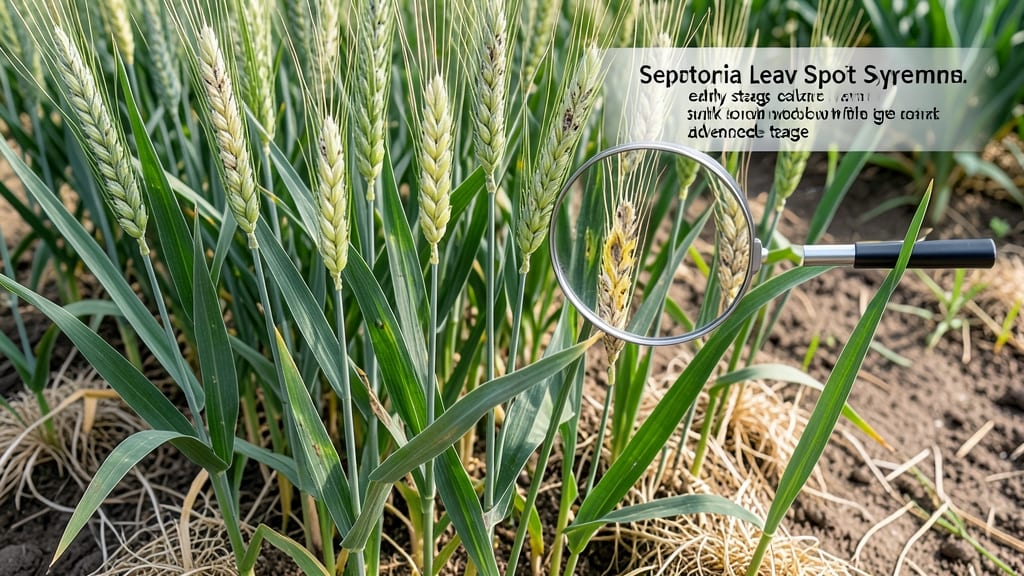
Those dark-edged brown spots on your tomato leaves aren’t just ugly—they’re septoria leaf spot, a fungal infection that spreads fast if you ignore it. 🌿 I’ve seen this stubborn pathogen turn lush plants into skeletal shadows, but I’ve also learned how to fight back without harsh chemicals.
The key is acting early with the right organic sprays and smart garden habits.
This fungus thrives in wet, crowded conditions, so proper spacing and airflow are your first line of defense. I’ve had the best luck with a mix of baking soda spray (1 tablespoon per gallon of water) and neem oil, applied every 7-10 days when conditions are damp.
The trick is consistency—don’t wait for the spots to spread before you start treating.
By combining sprays with pruning infected leaves and sanitizing tools, you’ll see new growth push out cleaner and stronger within weeks. The plants won’t just survive—they’ll bounce back with vibrant green foliage that actually supports fruit production instead of fighting disease.
Works for tomatoes, wheat, and ornamentals alike, but adjust your approach based on plant type. For heavy infections, add copper fungicide as a last resort—though I’ve rarely needed it when I catch it early. Let’s get those leaves healthy again!
The Real Culprits Behind Leaf Spots
When you spot those unsightly brown or grayish patches on your plants, Septoria leaf spot is often the culprit. But why does this fungal disease strike with such tenacity?
Understanding the root causes helps you take action before it spreads. Let’s break down the key factors that turn your lush foliage into a fungal buffet.
The fungus Septoria tritici (or related species) thrives in wet conditions. Here’s how moisture plays a role:
- Prolonged leaf wetness: If leaves stay damp for more than 6–12 hours—whether from rain, overhead watering, or poor airflow—the fungus germinates and infects tissues.
- High humidity (80%+): Ideal for spore production. Greenhouses, shaded areas, or dense plantings trap moisture, creating perfect breeding grounds.
- Poor drainage: Waterlogged soil keeps roots and lower leaves perpetually wet, inviting fungal entry points.
💡 Pro Tip: Space plants for airflow, water at soil level (not overhead), and avoid evening watering to let leaves dry by night.
Healthy plants resist infections, but stress opens the door for Septoria. Common triggers include:
- Nutrient deficiencies: Low nitrogen or potassium weakens cell walls, making leaves vulnerable. Yellowing or stunted growth? That’s a red flag.
- Physical damage: Hail, insect bites (like aphids), or rough handling create entry wounds for spores.
- Overcrowding: Competing for sunlight and nutrients stresses plants, reducing their ability to fight off pathogens.
🔥 Action Step: Conduct a soil test, prune for airflow, and fertilize with balanced organic options (like compost tea) to boost resilience.
Fungal spores are persistent and can lurk in:
- Infected plant debris: Old leaves, stems, or crop residues left in soil or compost harbor spores for years. Septoria overwinters in these materials, ready to reinfect next season.
- Reused tools: Pruners, shears, or even gloves contaminated with spores spread the disease to healthy plants.
- Wind or water spread: Spores hitch rides on breezes or irrigation splash, landing on fresh foliage.
✨ Prevention Tip: Sterilize tools with 70% rubbing alcohol, remove debris promptly, and rotate crops to break the disease cycle.
Temperature and rainfall create the perfect storm for Septoria outbreaks:
| Factor | Ideal for Fungus | Your Defense |
|---|---|---|
| Temperature | 60–75°F (15–24°C) | Use row covers in spring/fall to moderate temps. |
| Rainfall | Frequent light showers (spores splash onto leaves) | Install drip irrigation to avoid wetting foliage. |
| Dew | Heavy morning dew (extends leaf wetness) | Choose early-maturing varieties or plant in sunnier spots. |
🎯 Key Insight: Monitor weather forecasts—peak infection risk occurs during cool, wet springs.
By addressing these root causes, you’re not just treating symptoms—you’re starving the fungus of its favorite conditions. Next up: organic sprays to kick Septoria to the curb for good.
Stop Fungal Spread Now
Fungal leaf spots like Septoria don’t stand a chance when you act fast with the right mix of organic treatments and smart garden habits. Below, we’ll break down the most effective fixes—tailored to the root causes—so you can save your plants without harsh chemicals. 🌱💦
---
Problem: Too much moisture (from rain, overhead watering, or compacted soil) creates the perfect breeding ground for fungal spores.
How to Fix It: - ⏰ Space out watering – Water early in the day (before 10 AM) so leaves dry quickly. Aim for deep but infrequent watering (1–2 times per week, depending on climate). - 🌧️ Improve drainage – Amend heavy soil with compost or perlite (1 part organic matter to 3 parts soil). For containers, use pots with drainage holes and a mix of 50% potting soil + 50% coconut coir or sand. - 🚰 Redirect water – Use drip irrigation or soaker hoses to keep foliage dry. Avoid splashing leaves with a sprinkler.
Prevention Tip: 💡 Mulch with straw or wood chips (2–3 inches thick) to reduce soil splash and retain even moisture.
---
Problem: Once spots appear, spores spread via wind, water, or tools. Act within 24–48 hours for best results.
How to Fix It: | Spray Solution | How to Use | Frequency | |--------------------------|-------------------------------------------------------------------------------|-----------------------------| | Baking soda spray | Mix 1 tsp baking soda + 1 quart water + a few drops of dish soap (for stickiness). Spray both sides of leaves at dawn or dusk. | Every 7–10 days until new growth appears. | | Neem oil | Combine 1 tbsp neem oil + 1 tsp mild soap + 1 quart water. Shake well and spray undersides of leaves (where spores hide). | Every 5–7 days for 2 weeks, then monthly as prevention. | | Copper fungicide | Use an organic copper-based spray (like Copper Soap or Bordeaux Mix). Follow label rates—copper can burn plants if overused. | Every 10–14 days until symptoms fade. | | Milk spray | Dilute 1 part milk to 9 parts water (raw or skim works). Spray directly on infected areas. | Every 3–5 days (best for prevention). |
Pro Tip: 🌡️ Spray in the early morning or late evening to avoid burning leaves in direct sunlight.
---
Problem: Dead or heavily spotted leaves trap spores and slow recovery.
How to Fix It: - 🔪 Remove infected foliage – Snip off yellow/brown leaves (don’t compost them—bag and discard). Use sterilized pruners (wipe with 70% alcohol or bleach water between cuts). - 🌿 Thin out crowded plants – Improve airflow by spacing plants 12–18 inches apart (fungi thrive in humidity). - 🚫 Clean tools & hands – After pruning, wash tools with soapy water and rinse with rubbing alcohol.
Prevention Tip: ✨ Rotate crops annually—don’t plant susceptible plants (like tomatoes or wheat) in the same spot where Septoria has appeared before.
---
Problem: Weak plants are easier targets. Strengthen them to fight off future outbreaks.
How to Fix It: - 💪 Feed with compost tea – Brew compost tea (steep 1 cup compost in 5 gallons water for 24 hours, strain) and foliar-spray it weekly. It introduces beneficial microbes that crowd out fungi. - 🍎 Use potassium-rich fertilizers – Switch to fish emulsion, banana peel tea, or wood ash (sprinkle lightly around the base) to boost plant immunity. - 🌿 Interplant with fungicidal herbs – Add garlic, chives, or thyme nearby—their sulfur compounds deter fungi.
Pro Tip: 🎯 Avoid nitrogen-heavy fertilizers (like blood meal) during outbreaks—they promote soft, fungus-loving growth.
--- Final Reminder: Consistency is key! Combine preventive habits (drainage, spacing, mulching) with targeted sprays for long-term fungal control. With these steps, your plants will bounce back—and stay spot-free! 🌿🚀
Frequently asked questions
What do septoria leaf spots look like on my plants?
You’ll spot small, circular brown or gray spots with dark purple or black edges—like tiny bullseyes. These spots often have tiny black specks (fungal fruiting bodies) in their centers. They usually appear on older leaves first but spread quickly to younger foliage if untreated.
Can septoria leaf spot kill my plants?
While it rarely kills mature plants outright, severe infections can reduce yields by 30-50% in crops like tomatoes or wheat. The fungus weakens plants by blocking sunlight to leaves, which stresses the plant and makes it vulnerable to other diseases. Act fast to prevent long-term damage!
How long does it take for septoria treatments to work?
You’ll typically see noticeable improvement in 7-10 days with consistent spraying (baking soda or neem oil). For severe cases, combine treatments with pruning infected leaves and improving airflow. New growth should appear clean within 2-3 weeks if conditions are managed properly.
Is septoria leaf spot contagious to other plants?
Yes! The fungal spores spread easily through wind, water splash, and contaminated tools. Keep infected plants isolated until treated, and sterilize pruners between cuts with 70% rubbing alcohol. Avoid overhead watering to prevent spore dispersal.
Can I still harvest fruit from plants with septoria?
Yes, but remove heavily infected leaves first. The fungus rarely affects fruit directly, but severe defoliation can reduce quality. For tomatoes, focus on lower branches where fruit develops—keep those leaves as clean as possible.