
Pests and Diseases
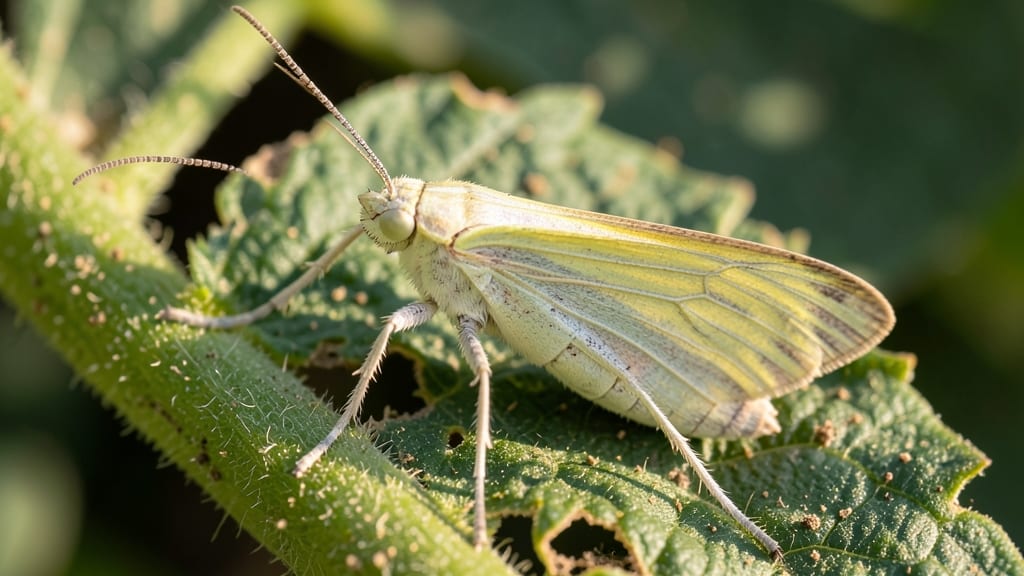
That tiny green worm hiding in your tomato leaves could turn your plants into a sad, crunchy mess—unless you act fast. 🌱 The tomato leaf borer is the sneaky villain behind wilting, holes, and stunted growth, but I’ve used these organic tricks to save my plants in just a few days every time.
The secret isn’t complicated: handpick the larvae, disrupt their life cycle with natural predators, and protect your plants with simple barriers. Most gardeners panic and reach for chemicals, but these methods work faster and keep your garden thriving without harming pollinators.
By morning, you’ll spot fewer chewed leaves, and within a week, your tomatoes will bounce back with stronger stems and glossier foliage. The best part? These solutions cost pennies and take less than 10 minutes to set up.
No matter your garden size—whether it’s a single pot or rows of plants—this approach works. Let’s get your tomatoes back to their crunchy, productive best.
📚 In This Guide
- What you need
- Instructions
- Tips and common mistakes
- Wrapping up and next steps
What you need
- ● Neem oil (1%) – 1 tbsp per gallon of water (natural insecticide & repellent)
- ● Spinosad concentrate – 1.5–2 tsp per gallon of water (organic pesticide, OMRI-listed)
- ● Diatomaceous earth (food-grade) – 1 cup per 10 sq ft (dries out borers—apply dry or in water)
- ● Horticultural oil or insecticidal soap – 1–2 tbsp per quart of water (smothers larvae)
- ● Sharp scissors or pruning shears – For removing infested leaves (sterilize with rubbing alcohol!)
- ● Gloves & long sleeves – Protect yourself from plant debris and oils.
- ● Spray bottle (16 oz) or garden sprayer – For even application of treatments.
- ○ Yellow sticky traps (optional) – Helps monitor adult borers before they lay eggs.
- ● Early detection – Check leaves daily for tiny holes, frass (sawdust-like droppings), or wilting.
- ● Healthy soil – Amend with compost or worm castings to boost plant resilience.
- ● Evening application – Spray after sunset to avoid harming bees and other pollinators.
- ● Consistency – Reapply treatments every 5–7 days or after rain.
How to identify and treat tomato leaf borer organically
Crunchy leaves aren’t just annoying—they’re a sign of tomato leaf borers chewing through your plants. Here’s how to spot and stop them fast.
🌿 Step 1: Spot the Damage and Confirm the Pest
Start by inspecting the undersides of leaves—this is where tomato leaf borers (also called tomato pinworms) hide. Look for tiny, translucent larvae or their telltale signs: irregular holes, chewed edges, or silken webbing. The larvae themselves are about 1/8 inch long and pale yellow-green, often curled up under leaves.
Don’t confuse them with other pests like aphids or spider mites. Leaf borers leave behind serrated, jagged holes (not the fine stippling of spider mites) and may cause entire sections of leaves to look "windowpaned." Check stems too—larvae sometimes bore into them, causing wilting or stunted growth.
💧 Step 2: Remove Infested Leaves and Larvae
Drop any heavily damaged leaves into a sealed bag and toss them in the trash—do not compost. Even small infestations can spread quickly, so act fast. For larvae hiding under leaves, use a soft brush or damp cloth to gently dislodge them into soapy water. I like to wear gloves for this step (those little guys wiggle!).
If you find webbing or eggs (tiny yellow ovals), scrape them off with your fingernail or a toothpick. Check the top and bottom of leaves, as well as the stem crevices—these are their favorite hiding spots. Once removed, rinse the plant with water to wash away any lingering eggs or debris.
☀️ Step 3: Apply Organic Sprays for Immediate Relief
For a quick fix, mix 1 tablespoon of neem oil with 1 teaspoon of dish soap in 1 quart of water. Spray the solution evenly on both sides of leaves, focusing on the undersides where larvae hide. Neem oil disrupts their feeding and growth, while the soap helps break down their protective waxy coating. Repeat every 3-4 days until new damage stops.
Another effective option is Bacillus thuringiensis var. kurstaki (Btk), a natural bacteria that targets caterpillars and borers. Mix it according to package instructions and spray in the early morning or late evening to avoid harming beneficial insects. Btk works best when applied directly to larvae, so aim for the undersides of leaves where they cluster.
✂️ Step 4: Strengthen Plants to Prevent Future Infestations
Healthy plants resist pests better. Water deeply at the base of the plant (not overhead) to avoid creating damp conditions that attract borers. Mulch with 2-3 inches of straw or grass clippings to retain moisture and deter larvae from crawling up stems. I also add a balanced organic fertilizer (like 5-5-5) every 4-6 weeks to boost growth.
Encourage natural predators like parasitic wasps and ladybugs by planting dill, fennel, or marigolds nearby. These plants attract beneficial insects that prey on tomato leaf borers. Avoid broad-spectrum pesticides—they kill the good guys along with the bad. Instead, focus on cultural controls (like pruning for airflow) and organic sprays for long-term protection.
⏰ Step 5: Monitor and Repeat as Needed
Check your plants every 2-3 days for new damage, especially after rain or high humidity. Borers thrive in moist conditions, so reduce overhead watering if possible. If you spot fresh holes or webbing, repeat the neem oil or Btk spray. Consistency is key—one treatment won’t eliminate them, but a 3-4 week regimen usually does the trick.
For severe infestations, consider row covers made of lightweight fabric. Secure them tightly around young plants to block adult moths from laying eggs. Remove covers when flowers appear to allow pollination, but reapply if new damage emerges. With vigilance, your tomato leaves will stay crisp and borer-free in just a few weeks.
Tips & tricks for organic tomato leaf borer control
Here's what nobody tells you about beating these pests—these tricks make all the difference between a quick fix and long-term victory.
Timing is Everything: The 2-3 day monitoring window in Step 5 is critical—borers multiply fast! I check my plants right after watering when larvae are most active. If you wait until you see major damage, you've already lost ground. Early detection means fewer leaves to remove later.
Neem Oil Mixing Hack: When preparing your 1 tablespoon neem oil + 1 teaspoon dish soap solution in Step 3, shake the bottle vigorously before each use. The soap and oil separate over time, and a thorough mix ensures even coverage. I also strain the solution through a fine mesh sieve to remove any residue that could clog your sprayer nozzle.
Natural Predator Boost: If you're planting dill, fennel, or marigolds in Step 4, choose varieties with flat leaves—they attract more beneficial insects. I've found that 'Mammoth' dill and 'Queen of Night' marigolds are particularly effective. Place these companion plants near your tomato patch but not too close—they should be within 2-3 feet to attract predators without competing for nutrients.
Row Cover Pro Tip: For severe infestations, use lightweight fabric row covers mentioned in Step 5, but leave them slightly loose at the bottom. This allows air circulation while still blocking adult moths. I secure mine with clothespins and check daily to ensure no pests are sneaking in through gaps. Remove covers during pollination to allow bees access to your tomato flowers.
Pro Tips for Tomato Leaf Borer
- Here's what nobody tells you about beating these pests—these tricks make all the difference between a quick fix and long-term victory.
- Timing is Everything: The 2-3 day monitoring window in Step 5 is critical—borers multiply fast!
- Neem Oil Mixing Hack: When preparing your 1 tablespoon neem oil + 1 teaspoon dish soap solution in Step 3, shake the bottle vigorously before each use.
Frequently asked questions
Got questions about the tomato leaf borer? You’re not alone!
Here are some of the most common concerns—plus quick, actionable answers to keep your tomato plants thriving.
What are the first signs of a tomato leaf borer infestation?
The earliest clues include tiny holes in leaves, frass (sawdust-like droppings) near stems, or wilted, yellowing leaves despite healthy-looking roots. Check stems for entry holes (about the size of a toothpick) or sawdust-like sawdust—these mean larvae are already munching inside!
How long does it take for organic treatments to work?
Most organic remedies (like neem oil or Bacillus thuringiensis) show results in 3–7 days if applied correctly. For severe infestations, repeat treatments every 5–7 days until the larvae pupate. Patience is key—consistency beats one-time sprays!
Can I save a heavily infested tomato plant?
If the borer has severely damaged the stem (e.g., large holes or oozing sap), prune the affected area below the damage and treat with organic insecticide. For minor damage, the plant may recover, but monitor closely. Prevention (like row covers) is always easier than cleanup!
Are there non-chemical alternatives to pesticides?
Try these DIY-friendly methods:
- Handpick larvae: Use tweezers to remove them from stems (best in the morning).
- Neem oil spray: Disrupts larval growth—mix 1 tbsp neem oil + 1 tsp mild soap in 1 quart water.
- Beneficial nematodes: Microscopic allies that attack borer larvae in the soil.
- Row covers: Physical barriers (like lightweight fabric) block adults from laying eggs.
Does cold weather kill tomato leaf borers?
Yes! Freezing temperatures (below 25°F/-4°C) kill eggs and larvae, but adult moths can survive mild winters. For year-round protection, remove plant debris in fall (borers overwinter in stems) and use early-season row covers to prevent reinfestation.
Pro Tip:
Want to prevent borers before they start? Plant marigolds nearby—they repel pests naturally! Plus, healthy soil (rich in compost) makes plants less attractive to borers.
Wrapping up and next steps
Dealing with the tomato leaf borer doesn’t have to be a nightmare—organic solutions like neem oil, beneficial nematodes, and proper garden hygiene can turn your struggling plants around in days! 🌱 By acting quickly and staying consistent, you’ll protect your tomato harvest while keeping your garden thriving naturally.
Ready to reclaim your garden? Start by inspecting your plants weekly and applying these organic fixes at the first sign of trouble. Your future tomatoes will thank you—one crunchy leaf at a time! 🍅✨