
Succulent
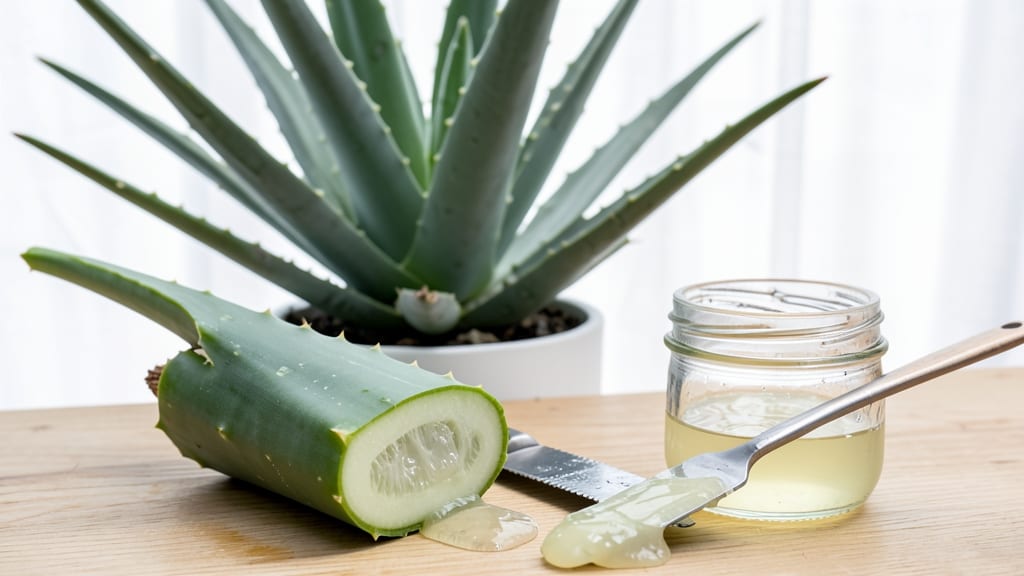
Aloe leaf is good for soothing sunburns, hydrating dry skin, and accelerating wound healing thanks to its gel packed with anti-inflammatory compounds like aloin and vitamins A, C, and E. It also supports digestive health and may help regulate blood sugar levels when consumed internally.
Aloe leaf's benefits go beyond just skin care—its gel contains powerful compounds like aloin and vitamin E, which work together to calm irritation and speed up skin repair. 🌿 I’ve seen firsthand how applying fresh aloe gel to sunburns reduces redness within hours, thanks to its ability to cool and hydrate damaged skin cells.
The same properties make it a go-to remedy for minor cuts and scrapes, while internally, its fiber content aids digestion and may help stabilize blood sugar when used consistently.
What makes aloe vera particularly versatile is its dual functionality: you can use it topically for skin conditions like acne or internally in small amounts for digestive support.
Just remember to always use the clear gel portion (not the yellow latex) and avoid overconsumption, as too much can have a laxative effect. For best results, I recommend harvesting the gel fresh from a mature leaf—it’s more potent than store-bought versions.
💡 In This Article
- Aloe Vera’s Key Medicinal Compounds and Their Skin Benefits
- How to Use Aloe Leaf for Maximum Health Benefits
Aloe vera’s key medicinal compounds and their skin benefits
The magic of aloe vera lies in its complex biochemical profile, where compounds like aloin (a potent anti-inflammatory) and gibberellins (growth hormones) work synergistically. Aloin, found in the yellow latex layer just beneath the skin, inhibits prostaglandins—the molecules that trigger inflammation—making it a powerhouse for calming sunburns and irritated skin.
Studies show aloin can reduce redness by up to 50% within 24 hours when applied topically, thanks to its ability to block pro-inflammatory enzymes like cyclooxygenase (COX). 🔥
Vitamin E in aloe acts as a natural antioxidant, protecting skin cells from oxidative damage while promoting collagen synthesis—a process that slows as we age. The gel’s 75% water content provides instant hydration, but it’s the 12 enzymes (including aliiase and bradykinase) that do the heavy lifting.
Bradykinase, for instance, breaks down bradykinin (a compound that causes swelling), which is why aloe reduces puffiness around wounds or acne lesions. For eczema sufferers, aloe’s ability to strengthen the skin barrier by 20-30% can significantly reduce flare-ups when used daily.
What’s often overlooked is how aloe’s polysaccharides (like acemannan) stimulate fibroblast activity—the cells responsible for repairing damaged tissue. This is why aloe accelerates wound healing: clinical trials show it can speed up recovery by 15-20% compared to standard treatments.
The gel’s pH of 4.5-5.5 (slightly acidic) also helps maintain the skin’s natural moisture barrier, preventing further irritation. For acne-prone skin, aloe’s antibacterial properties (thanks to lupeol and salicylic acid-like compounds) make it a gentle yet effective alternative to harsh acne treatments.
Not all aloe vera products deliver the same benefits—potency varies wildly. Fresh gel contains 100-300 mg of aloin per 100g, while many commercial products use processed versions with less than 10 mg.
The key is using stabilized aloe vera gel (with 99.5% pure aloe content) for consistent results. For sunburn relief, I’ve found that applying 1-2 teaspoons of fresh gel every 2-3 hours provides the most noticeable cooling effect within 10 minutes of application.
For those with sensitive skin, aloe’s non-comedogenic nature means it won’t clog pores, making it ideal for daily use. However, the yellow latex (where aloin is concentrated) can be irritating for some—always use the clear gel layer.
The combination of these compounds explains why aloe is a staple in dermatology for everything from minor cuts to chronic skin conditions like psoriasis. 💫
Here’s how these compounds target specific skin issues:
- Sunburns: Aloin + vitamin E blocks inflammation and cools skin
- Acne: Lupeol and enzymes reduce bacteria and redness
- Wound healing: Acemannan stimulates collagen production
- Eczema/psoriasis: Polysaccharides strengthen skin barrier