
Pests and Diseases
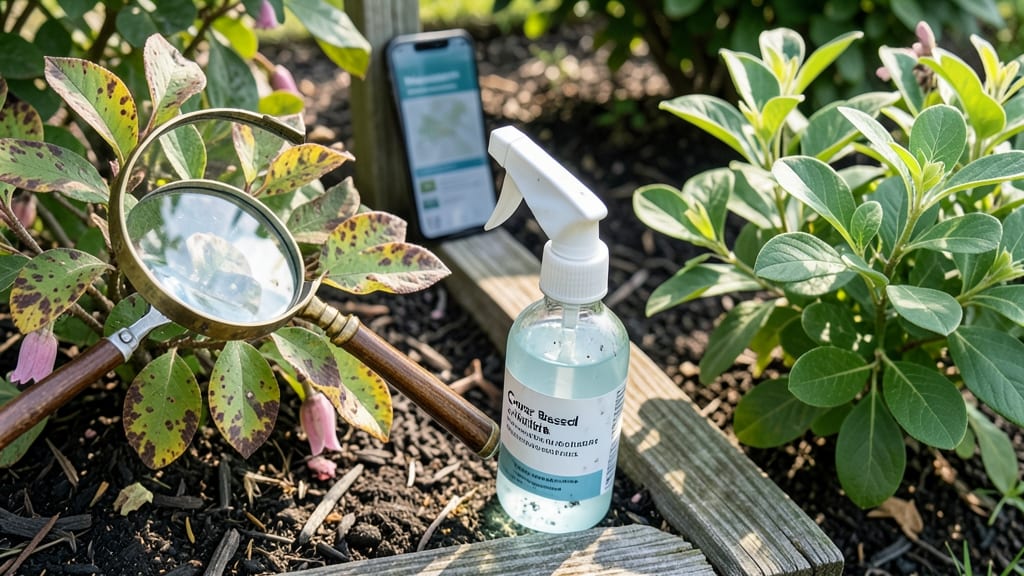
Blueberry leaf disease turns vibrant green foliage into a sad, spotted mess—one I’ve watched ruin entire harvests before. 🌿 The most common culprits are anthracnose (those dark, sunken spots) and bacterial leaf spot (tiny, water-soaked marks), but environmental stress can mimic them too.
Without intervention, infected leaves drop early, weakening next year’s fruit production.
Diagnosing the problem starts with a closer look—magnify those spots to check for fungal growth or bacterial ooze. Most diseases thrive in wet, humid conditions, so prune affected leaves in dry weather and remove them from the garden (not the compost).
I’ve found that copper fungicide sprays or baking soda mixtures (1 tablespoon per gallon of water) work best when applied at the first sign of trouble.
Prevention is where real progress happens: space plants for airflow, water at the base (not overhead), and mulch to keep soil moisture even. My bushes stay healthier when I prune in late winter too—removing dead wood before spores spread.
With these steps, you’ll keep your blueberries productive and your leaves looking lush all season.
For stubborn cases, repeat treatments every 7–10 days until new growth appears. The key is catching it early—once the disease takes hold, even organic methods can’t fully reverse the damage. But with vigilance, your bushes will bounce back stronger than ever.
Underlying Causes Of Leaf Trouble
Blueberry bushes are resilient, but their leaves can fall prey to a variety of diseases that disrupt growth, yield, and overall plant health. Understanding why these issues arise is the first step toward prevention and organic treatment.
Below, we break down the key culprits behind blueberry leaf diseases—from fungal invaders to environmental stressors—and explain the science behind their damage.
Fungi are the most common cause of blueberry leaf diseases, thriving in moist, warm conditions. These microscopic organisms release spores that latch onto leaves, stems, or fruit, creating ideal conditions for infection. - **🔬 Botrytis cinerea (Gray Mold): This fungus spreads rapidly in damp, shaded environments, causing brown, fuzzy patches on leaves and fruit. It thrives when humidity exceeds 80% and temperatures hover around 60–80°F (15–27°C). The spores germinate on wounded or senescing tissue, making weak or stressed plants prime targets. - 🔬 Phomopsis spp. (Leaf Spot Diseases): Phomopsis is a common pathogen that creates dark, irregular spots with yellow halos on leaves. It overwinters in infected plant debris and spreads via rain splash or wind. Warm, rainy springs (ideal for spore germination) accelerate outbreaks, often appearing 4–6 weeks after bud break. - 🔬 Exobasidium spp. (Leaf Gall or Blister Disease): This fungus distorts leaves into thick, blister-like galls filled with spores. It’s most aggressive in cool, wet climates (50–70°F / 10–21°C) and spreads via airborne spores. Infected leaves may curl, yellow, and drop prematurely, weakening the bush.💡 Pro Tip: Fungal spores can linger in soil and debris for years. Remove and destroy infected leaves immediately to break the disease cycle.
Blueberries are sensitive to extreme or inconsistent weather, which weakens their natural defenses. Poor growing conditions create entry points for pathogens or directly damage foliage. - 🌧️ Excessive Moisture: Overhead watering or prolonged rain keeps leaves wet for more than 12 hours, promoting fungal growth. Poor drainage in containers or heavy clay soils worsens the issue by trapping moisture at the roots, stressing the plant. - 🔥 Heat and Drought Stress: High temperatures (above 90°F / 32°C) combined with dry soil cause leaf scorch—edges turn brown and crispy. Stressed plants produce thinner cuticles, making them vulnerable to fungal invasion. Drought also reduces root growth, limiting nutrient uptake. - ❄️ Cold or Frost Damage: Sudden temperature drops below 28°F (-2°C) can blacken leaves or kill buds, leaving the bush susceptible to secondary infections. Frost-heaved roots (from freeze-thaw cycles) disrupt water and nutrient flow, further weakening the plant.🌡️ Key Insight: Blueberries prefer
acidic, well-draining soil (pH 4.5–5.5) and consistent moisture—not soggy or bone-dry conditions. Amend soil with peat moss or pine fines to improve drainage and buffer pH. While not a direct cause, certain pests create wounds that open the door for diseases. Their feeding habits weaken leaves, making them easier targets for fungi. - 🐜 Spider Mites: These tiny pests suck sap from leaves, causing stippling (tiny yellow dots) and webbing. Damaged tissue becomes entry points for Botrytis or Phomopsis. They thrive in hot, dry conditions, often flaring after drought stress. - 🐛 Japanese Beetles and Cankerworms: Adult beetles and larvae chew large holes in leaves, exposing the plant to moisture and pathogens. Their feeding also removes chlorophyll, reducing the bush’s ability to photosynthesize and fight off infections. - 🐛 Scale Insects: These sap-sucking pests excrete honeydew, a sticky residue that fosters sooty mold (a black fungal growth). Sooty mold blocks sunlight, further stressing the leaves and promoting disease.💡 Pro Tip: Monitor for pests early in the season. Use
neem oil or insecticidal soap (applied at dusk) to deter mites and beetles before they cause significant damage. How you care for your blueberry bushes directly impacts their susceptibility to disease. Neglect in pruning, fertilization, or variety selection can turn a minor issue into a full-blown outbreak. - 🌿 Overcrowded or Improper Pruning: Dense canopies reduce airflow, trapping humidity and spores. Pruning too late in the season (after June) can stimulate new growth that’s vulnerable to frost damage and disease. Always prune in early spring to improve light penetration. - 🌱 Nutrient Imbalances: Over-fertilizing with high nitrogen promotes lush, soft growth that’s prone to fungal infections. Conversely, phosphorus or potassium deficiencies weaken cell walls, making leaves more susceptible to pathogens. Test soil annually and adjust with organic amendments (e.g., bone meal for phosphorus, greensand for potassium). - 🌱 Planting the Wrong Variety: Some blueberry cultivars (e.g., ‘Duke’ or ‘Bluecrop’) are more disease-resistant than others (e.g., ‘Jersey’). If your local climate is humid, choose northern highbush varieties bred for fungal resistance, like ‘Patriot’ or ‘Chandler.’✨ Actionable Fix: Space bushes
4–6 feet apart for airflow, mulch with pine needles (not wood chips) to maintain acidity, and avoid wetting leaves when watering—aim for deep, root-level irrigation**.Fixing Fungal and Bacterial Leaf Issues
Blueberry leaf diseases—whether fungal, bacterial, or environmental—can stress your plants, but with the right approach, you can restore their health. Below are practical, organic solutions tailored to the root cause, along with prevention tips to keep your blueberries thriving.
---
Fungi thrive in damp conditions, so prevention is key—but if your leaves already show brown spots or mold, act fast.
#### 🔥 Remove and Replace Infected Leaves - Step 1: Snip off all visibly diseased leaves (including yellowing or spotted ones) with sterilized scissors (wipe with rubbing alcohol between cuts). - Step 2: Dispose of them in the trash (not compost)—fungi can survive in soil. - Step 3: Prune only healthy growth to improve airflow, which slows fungal spread.
#### 🍳 Apply Organic Fungicides Use copper-based sprays (like copper sulfate) or neem oil (1 tsp per quart of water + a drop of dish soap as a surfactant).
Spray early morning or evening to avoid burning leaves. - Frequency: Every 7–10 days until new growth appears. - Pro Tip: 💡 Mix 1 tbsp baking soda + 1 tsp oil + 1 gallon water for a mild fungicide (test on a small leaf first).
#### 🌡️ Adjust Watering and Mulching - Water at the base (avoid overhead sprinkling). - Use 2–3 inches of organic mulch (straw or wood chips) to keep soil moist but prevent leaf dampness. - Improve drainage—fungi love soggy soil. Amend heavy clay with compost or perlite.
---
Bacteria spread quickly, so speed and sanitation are critical.
#### 👨🍳 Prune Aggressively and Sterilize Tools - Step 1: Cut out all infected branches (they won’t recover). - Step 2: Burn or bag the clippings (do not compost). - Step 3: Disinfect pruners with bleach (1:9 ratio) or 70% alcohol between cuts.
#### 🥘 Use Hydrogen Peroxide Spray - Mix 1 tbsp 3% hydrogen peroxide + 1 quart water. - Spray foliage and soil weekly to kill bacteria on contact. - Caution: Avoid spraying in direct sunlight (can bleach leaves).
#### ⏰ Rotate Crops and Avoid Overhead Watering - Don’t replant blueberries in the same spot for 3–4 years (bacteria linger in soil). - Water only at the base and early in the day so leaves dry fast.
---
If leaves are yellow, curled, or crispy from poor conditions, fix the underlying issue.
#### 🔪 Provide Shade and Windbreaks - Newly planted blueberries need partial shade (especially in hot climates). - Use shade cloth (30–50%) or plant near taller trees/native shrubs. - Windbreaks (like a bamboo fence) prevent leaf tear.
#### 💪 Boost Soil Health with Organic Amendments Test soil pH (blueberries love 4.5–5.5) and amend with: - Peat moss or pine bark (for acidity). - Compost or worm castings (for nutrients). - Epsom salt (1 tbsp/gallon water) for magnesium (if leaves yellow between veins).
#### ✨ Prevent Future Stress with Mulch and Mulch - Mulch heavily (3–4 inches) with pine needles or straw to retain moisture and cool roots. - Drip irrigation keeps soil consistently moist without wetting leaves.
--- ✅ Sanitize tools before and after pruning. ✅ Space plants 4–6 feet apart for airflow. ✅ Water deeply but infrequently (1–1.5 inches/week). ✅ Remove fallen leaves regularly (fungi hitchhike on them). ✅ Monitor early spring—fungi/bacteria spread fastest then.
--- Remember: Early action is everything! The sooner you prune, spray, and adjust care, the faster your blueberries bounce back. 🌱💙
Frequently asked questions
How can I tell if my blueberry leaves have a fungal disease versus environmental stress?
Fungal diseases like anthracnose or leaf spot show distinct dark spots with yellow halos, often accompanied by fuzzy growth. Environmental stress (like drought or heat) causes uniform browning starting at leaf edges. Hold a magnifying glass over suspicious spots—fungal spores appear powdery or slimy, while stress damage looks dry and crispy.
Can I still harvest blueberries if the leaves have disease?
Yes, but only if the fruit itself is healthy. Focus on harvesting ripe berries first, then remove all infected leaves immediately. Fungal spores rarely spread to fruit, but bacterial diseases (like leaf spot) can contaminate berries. Always wash berries thoroughly before eating or freezing.
What's the best time of year to prune diseased blueberry leaves?
Prune in late winter or early spring (before buds swell) to remove dead/diseased wood. Avoid pruning after June—new growth will be vulnerable to frost and fungal spores. Sterilize your pruners with rubbing alcohol between cuts to prevent spreading disease.
Will copper spray harm bees or beneficial insects?
Copper sprays are generally safe when applied early morning or evening (when bees aren't active). To minimize risk, avoid spraying flowers and focus on foliage. For extra protection, use neem oil (bee-friendly) as your first line of defense—it's less harsh and still effective against many fungal pathogens.
How long does it take to see improvement after treating fungal leaf disease?
With proper treatment (copper spray + pruning), you should see new healthy growth in 2–4 weeks. Severe cases may take longer. Consistency is key—apply treatments every 7–10 days until all infected leaves drop naturally. Monitor for recurrence, especially after rain.