
Diseases
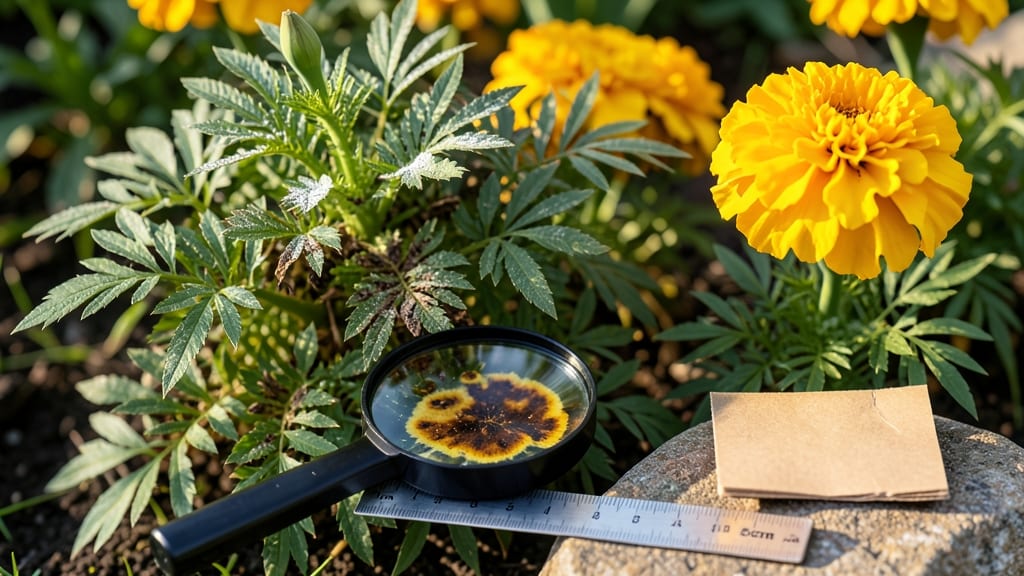
Marigold leaf diseases can turn your bright blooms into a sad, spotted mess. 🌼 I’ve watched my hard work wither from powdery mildew and leaf spot—until I learned the early signs and how to stop them before they spread.
The key is catching problems fast, whether it’s yellowing leaves or strange dark patches.
Most marigold diseases start with too much moisture or poor airflow. Powdery mildew leaves white dust on leaves, while leaf spot creates brown, water-soaked marks. Fungal spores spread quickly in humid weather, so prevention is your best defense—think pruning, spacing, and watering at the base, not overhead.
Once you spot trouble, act fast with neem oil or copper fungicide. For severe cases, remove infected leaves immediately. With the right care, your marigolds will bounce back stronger, and next season, you’ll spot problems before they take over.
If the disease keeps coming back, it might be time to test your soil or consult a local extension office. A little vigilance now saves hours of heartache later—and keeps your garden looking its best all season.
Root Causes Behind Leaf Troubles
Marigold leaves don’t just wilt or spot out of the blue—there’s always a reason behind the damage. Understanding why these diseases strike helps you take precise action to protect your plants. Let’s break down the key culprits, from sneaky pathogens to environmental missteps.
Marigolds are often targeted by fungi, bacteria, and viruses that thrive in warm, humid conditions—perfect for a summer garden. Here’s how these microscopic troublemakers get the upper hand: - 🍄 Fungal Foes (Powdery Mildew, Leaf Spot, Rust) - Overcrowding + Poor Airflow: Fungi like Alternaria and Pseudoperonospora (downy mildew) spread via spores that float in still air. When plants are packed too closely, humidity lingers, creating a fungal buffet. - Wet Leaves: Morning dew or overhead watering keeps leaves damp for hours—ideal for Erysiphe (powdery mildew) to germinate. Evening watering (when leaves dry by nightfall) is a game-changer. - Old Debris: Last year’s infected leaves or stems harbor fungal spores. If left in the soil, they reinfect new growth. Pro tip: Remove and compost away (not reuse) diseased plant material. - 🧫 Bacterial Blight (Xanthomonas, Pseudomonas) - Wounds + Rain: Bacteria hitchhike on rain splashes or garden tools, entering through cuts or tears in leaves. Xanthomonas campestris causes dark, water-soaked spots that ooze when wet. - Contaminated Tools: Pruners or stakes used on infected plants can transfer bacteria to healthy ones. Sanitize tools with 70% rubbing alcohol between uses. - 🦠 Viruses (Tobacco Mosaic, Cucumber Mosaic) - Sap-Sucking Pests: Aphids, whiteflies, and thrips spread viruses as they feed. Once a plant is infected, the virus cannot be cured—only contained. - Human Handling: Touching infected plants (even weeds!) and then healthy ones transfers viral particles via fingers or tools. Wear gloves when gardening near sick plants. Marigolds are tough, but push their limits, and they’ll show it on their leaves. These factors weaken defenses, making them vulnerable to diseases: - 💦 Overwatering or Poor Drainage - Root Rot (Phytophthora, Pythium): Waterlogged soil cuts off oxygen to roots, inviting water-mold fungi. Yellowing leaves and mushy stems are red flags. - Solution: Amend soil with compost to improve drainage, and water at the base (not overhead) to keep foliage dry. - ☀️ Extreme Heat or Cold - Heat Stress: Temperatures above 90°F (32°C) scorch leaves, creating entry points for pathogens. Weakened plants can’t fight off Alternaria leaf spot as effectively. - Cold Shock: Sudden chills (below 50°F/10°C) slow metabolism, making leaves prone to fungal infections like Botrytis (gray mold). - Fix: Provide afternoon shade in peak summer or use row covers for early-season protection. - 🌬️ Wind and Pollution - Abrasion: Strong winds tear leaves, leaving wounds for bacteria to invade. Urban gardens near roads may suffer from ozone damage, which thins leaf cuticles—making them more susceptible to pathogens. - Action: Stake tall marigolds to prevent wind damage and avoid planting near high-traffic areas if pollution is a concern. Sometimes, the problem isn’t nature—it’s us. Common gardening habits can inadvertently invite diseases: - 🌿 Planting Too Late or Too Early - Seasonal Mismatch: Marigolds planted when soil is still cold or when nights are humid (late spring/early fall) struggle to establish roots, leaving them open to damping-off (a fungal seedling killer). - ❌ Ignoring Soil Health - Nutrient Deficiencies: Low nitrogen weakens foliage, while excess phosphorus can promote fungal growth. A soil test reveals imbalances before they cause problems. - pH Imbalance: Fungi like powdery mildew thrive in alkaline soil (pH >7.0), while clubroot (a bacterial disease) prefers acidic conditions (pH <6.0). Aim for a neutral pH (6.0–7.0) for marigolds. - 🛑 Skipping Crop Rotation - Pathogen Buildup: Planting marigolds in the same spot year after year lets soil-borne diseases (like Fusarium wilt) persist. Rotate with non-marigold crops (e.g., beans, lettuce) to break the disease cycle.Knowing the “why” behind marigold leaf diseases puts you in the driver’s seat. Next, we’ll tackle how to spot these issues early—and stop them in their tracks.
Fixing Common Marigold Leaf Troubles
When your marigolds start showing signs of distress, acting fast can save your plants—and your garden’s beauty. Below are practical, step-by-step solutions tailored to the most common marigold leaf diseases, plus prevention tips to keep your flowers thriving. 🌿💦
---
Cause: Fungal spores thrive in humid, shaded conditions, creating that telltale white powder on leaves.
How to Fix It: 1. 🔥 Prune the Problem – Snip off severely infected leaves with clean scissors, then dispose of them in the trash (not compost). 2. 🍳 Homemade Spray – Mix 1 tsp baking soda + 1 tbsp vegetable oil + 1 quart water in a spray bottle. Shake well and apply to both leaf surfaces in the early morning (oil helps the baking soda stick). 3. 🌡️ Boost Airflow – Space plants 12–18 inches apart and remove nearby weeds that trap moisture. 4. ✨ Prevent Recurrence – Water at the base (not overhead) and avoid dense planting in shady spots.
Pro Tip: 💡 Neem oil (1 tsp per quart of water) is another great antifungal spray—use every 7–10 days until symptoms fade.
---
Cause: Water splashes spread bacteria, causing dark, water-soaked spots with yellow halos.
How to Fix It: 1. 🔪 Remove Infected Leaves – Cut off spots immediately with sterilized pruners (wipe with rubbing alcohol between cuts). 2. 👨🍳 Copper Fungicide Spray – Apply a store-bought copper-based fungicide (like Bonide Copper Fungicide) every 10–14 days for 3 weeks. 3. 🚿 Adjust Watering – Water in the morning so leaves dry quickly. Use a soaker hose to avoid wetting foliage. 4. 🏠 Quarantine Plants – If multiple marigolds are infected, separate them from healthy plants to prevent spread.
Pro Tip: 🌡️ Avoid overhead irrigation—drip systems or hand-watering at the soil line cuts bacterial spread by 70%.
---
Cause: Orange pustules on undersides of leaves signal rust fungus, weakening plants over time.
How to Fix It: 1. 🍃 Remove All Infected Leaves – Rust spores spread easily, so toss infected foliage (don’t compost). 2. 🔪 Sterilize Tools – Wipe pruners with bleach or alcohol before and after each cut. 3. 🌿 Apply Sulfur Spray – Use wettable sulfur (2 tbsp per gallon of water) every 7–10 days until new growth appears. 4. 🌞 Increase Sunlight – Rust loves shade; move plants to full sun (6+ hours daily) to dry leaves faster.
Pro Tip: ✨ Reflective mulch (like aluminum foil under pots) can reduce rust spores by 50% by bouncing sunlight onto leaves.
---
Cause: Dark, concentric rings or spots appear when humidity is high and airflow is poor.
How to Fix It: 1. 🔄 Rotate Planting Spots – If possible, move marigolds to a new location next season to break the disease cycle. 2. 🍄 Fungicidal Soap Spray – Mix 1.5 tbsp horticultural oil + 1 tsp dish soap per gallon of water. Spray every 5–7 days until symptoms disappear. 3. 🌬️ Improve Air Circulation – Thin out crowded plants or add trellises if marigolds are growing tall. 4. 🌱 Strengthen Plants – Fertilize lightly with a balanced 10-10-10 formula to boost resilience.
Pro Tip: 💡 Interplant with basil or thyme—these herbs naturally repel fungal spores and improve airflow.
---
No matter the issue, these habits prevent 90% of marigold leaf problems: - ⏰ Water wisely – Early morning (6–9 AM) only, never overhead. - 🌿 Space plants – 12–18 inches apart for airflow. - 🧼 Sterilize tools – Clean pruners and pots between uses. - 🌱 Choose resistant varieties – Try ‘Bonanza’ or ‘Jumbo’ marigolds, bred for disease resistance. - 🌡️ Monitor humidity – Use a dehumidifier in greenhouses or raise beds for better drainage.
--- Remember: Early action is key! The sooner you treat symptoms, the faster your marigolds bounce back—healthy, vibrant, and disease-free. 🌼💪
Frequently asked questions
What’s the difference between powdery mildew and leaf spot on marigolds?
Powdery mildew appears as a white, powdery coating on leaves, while leaf spot shows up as brown or black water-soaked patches with yellow edges. Mildew thrives in humid shade, while leaf spot spreads through wet foliage or contaminated tools. The key? Mildew looks fuzzy, spots look like splashes.
Can I still use marigolds in my garden if they have diseases?
Yes, but remove infected leaves immediately and isolate affected plants. Healthy marigolds still deter pests like nematodes and aphids. For severe cases, replace diseased plants with disease-resistant varieties like ‘Bonanza’ or ‘Tangerine Gem’ next season.
How often should I spray fungicides on marigolds?
Apply fungicides like neem oil or copper spray every 7–14 days during humid weather. Stop once symptoms disappear, but keep monitoring. Overuse can harm plants—always follow label instructions. For prevention, focus on airflow and proper watering instead.
Why do my marigolds get diseases even with good care?
Diseases can persist from last year’s infected debris in soil or hidden spores. Rotate planting spots yearly and test soil pH (aim for 6.0–7.0). Even resistant varieties can succumb if stressed by extreme heat, cold, or poor drainage.