
Pests and Diseases
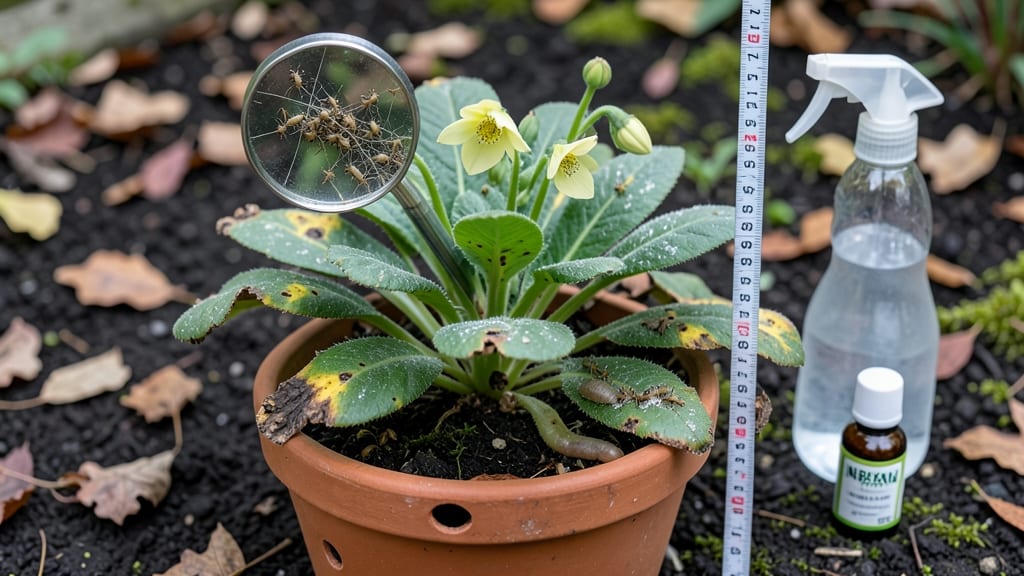
Primula leaf problems turning your spring blooms into a sad sight can be frustrating, but there’s hope. 🌿 I’ve seen this happen after a damp spring, and the good news is most causes have simple fixes—if you catch them early.
The key is identifying whether it’s fungal, bacterial, or just environmental stress before it spreads.
Fungal diseases like powdery mildew or rust show up as yellow spots or white powder, while bacterial issues create slimy patches. Slugs leave jagged holes, and overwatering or poor drainage causes wilting and discoloration.
The first step is checking the undersides of leaves for signs—often the real culprit hides where you least expect it.
Once you know the cause, solutions are straightforward: prune affected leaves, adjust watering, or apply a neem oil spray for fungal issues. I’ve revived multiple primulas by simply moving them to a sunnier spot with better airflow.
The goal is to stop the spread while giving your plant a fighting chance.
Prevention is easier than cleanup—space plants properly, water at the base (not overhead), and avoid crowded conditions. If the problem persists after a few weeks, it might be time to consult a local nursery or extension service for a second opinion. Your primulas deserve to thrive!
Underlying Causes Of Leaf Issues
When your Primula plants start showing signs of distress—like yellowing, spotting, or wilting—it’s rarely a random act of nature. Instead, these symptoms usually stem from specific environmental, biological, or cultural stressors. Understanding the why behind these problems is the first step to fixing them.
Below, we break down the most common culprits, backed by science, so you can diagnose and treat your plants like a pro.
Primulas are cool-season plants that thrive in moderate climates but can suffer when conditions stray too far from their ideal range. Extreme heat, cold snaps, or inconsistent sunlight can trigger leaf problems by disrupting cellular processes.
- Heat Stress:
When temperatures rise above 75°F (24°C), Primula leaves may develop brown, crispy edges or yellow patches—a condition called scorch. High heat increases transpiration (water loss) faster than roots can absorb moisture, leading to dehydration and nutrient imbalances.
Additionally, excessive sunlight can cause photoxidative damage, where light energy overwhelms the plant’s ability to use it for photosynthesis, producing toxic oxygen radicals.
- Cold Stress:
Frost or temperatures below 40°F (4°C) can cause waterlogging in cells, leading to blackened or mushy spots on leaves. Cold also slows metabolic processes, making plants more susceptible to fungal infections like Botrytis blight.
If roots freeze, they can no longer absorb water, causing wilting and eventual leaf death.
- Inconsistent Light:
Primulas prefer partial shade (30-50% sunlight). Too much direct sun (especially in hot climates) leads to sunburn-like symptoms, while low light weakens the plant, making it prone to pests and diseases. Without enough light, chlorophyll production drops, resulting in pale or yellow leaves (chlorosis).
💡 Pro Tip: If your Primula is in a hot, sunny spot, provide afternoon shade with a sheer curtain or move it to a north-facing window. For cold snaps, use frost cloth to protect leaves without trapping excess moisture.
Primula roots are sensitive to waterlogged soil, which is one of the most common causes of leaf problems. Unlike drought-tolerant plants, primulas prefer consistently moist but well-drained soil. When excess water sits around roots, it triggers a cascade of issues:
- Oxygen Deprivation:
Water fills soil pores, displacing oxygen that roots need to respire. Without oxygen, roots suffocate, leading to root rot (often caused by Phytophthora or Pythium fungi). As roots decay, they can no longer absorb nutrients or water, causing leaves to yellow (chlorosis) or develop brown, water-soaked spots.
- Nutrient Leaching:
Overwatering flushes essential nutrients like magnesium, iron, and potassium out of the soil. A deficiency in magnesium (a key component of chlorophyll) causes interveinal yellowing, while iron deficiency leads to pale new growth (chlorosis).
- Fungal Infections:
Stagnant water creates the perfect breeding ground for Botrytis (gray mold) and Alternaria (black spot). These fungi thrive in high humidity and poor air circulation, leading to dark, circular lesions on leaves.
💡 Pro Tip: Test your soil’s drainage by filling a pot with water—if it drains slower than 30 minutes, amend with perlite, sand, or orchid bark. Always use pots with drainage holes and avoid saucers that trap excess water.
Primulas are magnets for pests and diseases due to their tender leaves and moisture-loving nature. Here’s how common culprits wreak havoc on foliage:
| Problem | Symptoms | Why It Happens |
|---|---|---|
| 🐜 Aphids | Sticky residue (honeydew), curled leaves, yellowing | These sap-sucking insects inject toxic saliva that disrupts plant cell function, causing chlorosis. Their honeydew attracts sooty mold, which coats leaves in a black, velvety film. |
| 🕷️ Slugs & Snails | Irregular holes, silvery slime trails | These nocturnal munchers chew large chunks from leaves, leaving jagged edges. They thrive in damp, shaded conditions, often targeting stressed plants. |
| 🍄 Powdery Mildew | White, powdery coating, stunted growth | This fungal disease spreads in humid, low-light conditions. It forms a mycelial mat on leaves, blocking sunlight and clogging stomata (pores), which suffocates the plant. |
| 🟣 Rust Fungus | Orange-brown pustules on undersides of leaves | Caused by Puccinia fungi, rust spores overwinter in soil and infect leaves via splashing water. It weakens the plant by disrupting photosynthesis in infected cells. |
💡 Pro Tip: For pests, blast off aphids with a strong stream of water or use neem oil. For fungal issues, prune infected leaves and apply copper fungicide in the early morning to avoid burning foliage.
Primula leaves often signal nutrient imbalances through specific color changes. Unlike general yellowing (which usually indicates overwatering), deficiencies or toxicities produce distinct patterns:
- 🟡 Yellow Between Veins (Interveinal Chlorosis):
Caused by magnesium or iron deficiency. Magnesium is crucial for chlorophyll production, and its deficiency first appears in older leaves because the plant mobilizes nutrients from old to new growth.
Iron deficiency (common in alkaline soils) turns young leaves pale because iron is immobile in the plant.
- 🟤 Purple or Red
Quick Fixes for Primula Leaf Troubles
Revive your primula’s vibrancy with these targeted solutions—each tailored to common leaf issues like yellowing, spots, or wilting. Whether it’s overwatering, fungal infections, or pests, these steps will get your plant back on track. Pro tip: Act fast! Early intervention prevents permanent damage.
---
Signs: Yellowing leaves, mushy stems, foul-smelling soil, or leaves that drop easily.
#### Step-by-Step Rescue: 1. 🔥 Stop Watering Immediately - Let the soil dry out completely before watering again. Stick your finger 1–2 inches deep—if it’s damp, wait.
2. 🍳 Repot in Fresh Soil (If Needed) - Gently remove the plant from its pot and inspect the roots. 🔪 Trim any black, mushy roots with sterilized scissors. - Repot in a well-draining mix (add perlite or sand to regular potting soil). Choose a pot with drainage holes.
3. ⏰ Adjust Your Watering Routine - Primulas hate soggy soil! Water only when the top inch is dry (usually every 5–7 days, less in winter). - 💡 Pro Tip: Use a moisture meter or the "knuckle test"—if your knuckle feels damp after pressing into the soil, hold off.
4. 🌡️ Boost Airflow - Move the plant to a spot with indirect light and good ventilation (but avoid drafts). Crowded pots or humid conditions worsen rot.
---
Signs: Brown/black spots with yellow halos, white powdery patches, or leaves that curl or drop.
#### Step-by-Step Rescue: 1. 🔪 Remove Infected Leaves - Snip off spotted or powdery leaves with clean scissors. ✨ Sterilize tools with rubbing alcohol to prevent spreading.
2. 🍳 Apply Fungicide - Spray leaves with a copper-based fungicide (like Bonide Copper Fungicide) or a baking soda mix (1 tsp baking soda + 1 quart water + a drop of dish soap).
Reapply every 7–10 days. - 💡 Pro Tip: Water in the morning so leaves dry quickly—fungi thrive in moisture.
3. 🌡️ Improve Growing Conditions - Space plants 6+ inches apart for airflow. - Avoid overhead watering—use a watering can with a narrow spout or drip irrigation. - ✨ Increase sunlight (but avoid scorching). Most primulas prefer partial shade (3–6 hours of sun).
4. 🔄 Prevent Recurrence - Rotate pots occasionally to ensure even sunlight. - 🎯 Sterilize tools and pots before reuse.
---
Signs: Sticky residue (aphids), fine webbing (mites), or chewed leaves (slugs/snails).
#### Step-by-Step Rescue: 1. 🔥 Isolate the Plant - Move it away from other plants to stop pest spread.
2. 🍳 Manual Removal (For Aphids/Mites) - 🔪 Blast pests off with a strong jet of water. - 🍳 Wipe leaves with a damp cloth dipped in soapy water (1 tsp mild soap per quart of water). - 💡 Pro Tip: Neem oil (1 tsp + 1 quart water) is a natural pesticide—spray every 5–7 days.
3. 🌡️ Trap Slugs/Snails - 🎯 Set up beer traps (bury a shallow dish filled with beer near the plant). - ✨ Use diatomaceous earth (food-grade) around the pot edge—it dehydrates slugs.
4. 🔄 Long-Term Defense - 🌱 Introduce predator plants like marigolds or lavender to deter pests. - 🎯 Check undersides of leaves weekly for early signs.
---
Signs: Yellowing between veins, slow growth, or small leaves.
#### Step-by-Step Rescue: 1. 🍳 Fertilize Lightly - Use a balanced liquid fertilizer (10-10-10 or 20-20-20) diluted to half strength every 4–6 weeks in spring/summer. - 💡 Pro Tip: Over-fertilizing burns roots—always water before applying fertilizer.
2. 🌡️ Check Soil pH - Primulas prefer slightly acidic to neutral soil (pH 6.0–7.0). - Test with a soil kit and amend with lime (to raise pH) or sulfur (to lower pH) if needed.
3. 🔄 Boost Organic Matter - Mix in compost or worm castings for slow-release nutrients. - ✨ Mulch lightly with bark or straw to retain moisture and nutrients.
---
If more than 50% of leaves are dead or the plant is collapsing: 1. 🔥 Prune aggressively—cut back to healthy growth. 2. 🍳 Repot in fresh, sterile soil and place in bright, indirect light. 3. 🌡️ Monitor closely—new growth may take 2–4 weeks.
--- 🎯 Final Prevention Checklist: - Water wisely (bottom-water when possible). - Inspect leaves weekly for early signs of trouble. - Rotate pots for even growth. - Clean tools and pots between uses.
With these fixes, your primula will bounce back—healthy, happy, and spot-free! 🌸
Frequently asked questions
Why are my primula leaves turning yellow between the veins?
This classic symptom usually indicates a magnesium or iron deficiency. Primulas often show interveinal chlorosis when the soil lacks these nutrients, especially in alkaline conditions. Test your soil pH—primulas prefer 6.0–7.0—and amend with chelated iron or Epsom salt (1 tsp per gallon of water) every 2 weeks until leaves green up.
Can I save my primula if the leaves have black spots with yellow edges?
Yes, but act fast! Those spots are likely Alternaria leaf spot or Botrytis blight. Prune affected leaves immediately with sterilized scissors, then apply a copper fungicide or baking soda spray (1 tsp baking soda + 1 quart water + drop of soap). Improve airflow by spacing plants 6+ inches apart and avoid overhead watering.
What should I do if my primula leaves look crispy and brown at the edges?
This is classic heat stress or low humidity. Move your primula to partial shade (3–6 hours of morning sun max) and increase humidity by placing the pot on a tray of pebbles with water. Mist leaves lightly in the morning, but avoid wet foliage at night to prevent fungal issues.
How do I tell if my primula has slug damage versus fungal spots?
Slugs leave irregular, jagged holes with silvery slime trails, while fungal spots appear as circular brown/black patches with yellow halos. Check leaf undersides—slugs rarely leave visible signs there. For slugs, set beer traps (bury a shallow dish of beer near the plant) or use diatomaceous earth around the pot.
My primula leaves are curling—what’s wrong?
Curling often signals underwatering, aphids, or powdery mildew. First, check soil moisture—water when the top 1 inch is dry. If aphids are present, blast them off with water or spray with neem oil. For mildew, improve airflow and apply a baking soda spray. Rotate the pot weekly for even growth.