
Leaf Blower
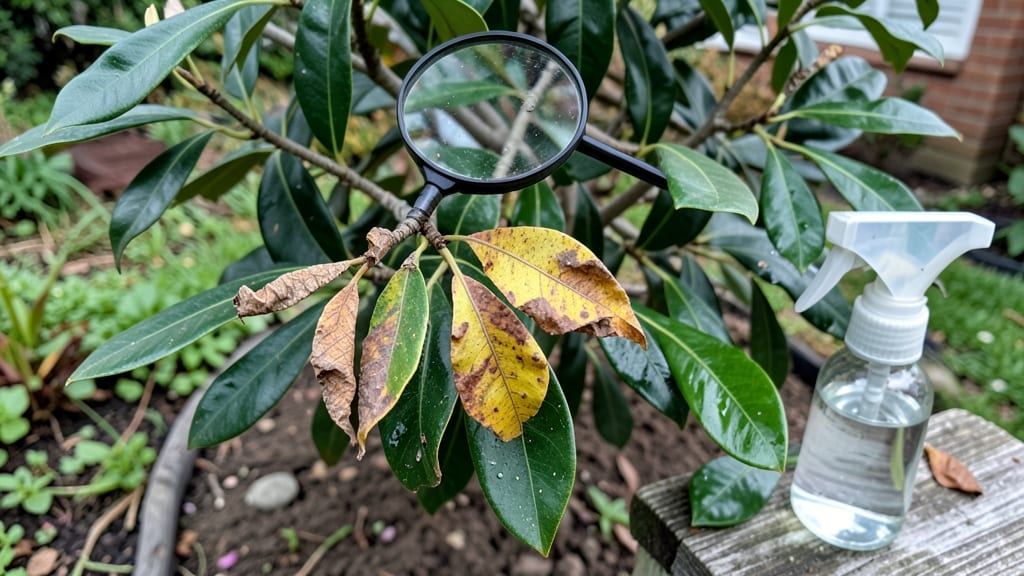
Brown leaves on your bay leaf tree mean it’s fighting something—often something fixable. 🌿 I’ve nursed back multiple bay trees from crispy edges to lush, fragrant foliage, and the solution always starts with identifying the real cause (not just guessing).
Overwatering, pests, or even a drafty spot can turn vibrant green into sad brown overnight.
The first step is checking the soil: if it’s soggy, you’re drowning roots; if it’s bone-dry, the tree’s thirsty. Spider mites love dry conditions, so inspect undersides of leaves for tiny webs or speckled damage.
Fungal issues often show as yellowing before browning, while nutrient deficiencies (like iron deficiency) create yellowing between veins first.
You’ll likely revive your tree in 2-4 weeks with the right fix—whether that’s adjusting watering, spraying neem oil, or adding a balanced fertilizer. The key is acting fast: brown leaves left unchecked can spread, but healthy new growth will push out faster than you think.
Works for both potted bay trees and those in the ground, and the same principles apply to other evergreens too. Let’s diagnose the real issue first—because the fix depends on what’s actually wrong.
Root Causes Of Leaf Discoloration
Brown leaves on your bay leaf tree (often Laurus nobilis) can be alarming, but understanding the underlying causes helps you take precise action. Below, we break down the most common reasons—from environmental stressors to hidden health issues—so you can diagnose and treat the problem effectively.
Bay leaf trees thrive in consistently moist but well-drained soil. When watering habits go awry, leaves turn brown as a distress signal.
- 🔥 Underwatering (Drought Stress) - Bay trees have shallow roots that dry out quickly in hot or windy conditions. Without enough water, cells lose turgor pressure, causing leaf edges to crisp and brown. - Signs: Dry, brittle leaves that curl upward (like a "flagging" signal) and a light, dusty brown hue. - Fix: Water deeply once a week (or daily in extreme heat) and mulch around the base to retain moisture. Aim for 1–1.5 inches of water per week, including rainfall. - 🌊 Overwatering (Root Rot Risk) - Bay trees hate soggy soil. Excess water cuts off oxygen to roots, leading to Phytophthora or Pythium fungi, which cause leaves to yellow, then brown and drop. - Signs: Mushy stems, wilting despite wet soil, and brown spots that spread from the bottom up. - Fix: Ensure pots have drainage holes and the soil is loamy and sandy. Let the top 1–2 inches dry out between waterings. If root rot is suspected, repot in fresh, sterile soil and avoid watering until the roots recover.Bay leaf trees are tropical evergreens that prefer moderate climates. Sudden shifts in temperature or harsh sunlight can scorch leaves, turning them brown.
- 🔥 Sun Scorch (Too Much Direct Sun) - Intense afternoon sun (especially in hot climates) can cause oxidative damage to leaf surfaces, leading to dry, papery brown patches. - Signs: Brown spots on upper leaf surfaces, often on the south or west side of the tree. - Fix: Gradually acclimate your bay tree to sunlight (a process called hardening off). If outdoors, provide partial shade during peak heat (10 AM–4 PM). For container-grown trees, move them to a shadier spot temporarily. - ❄️ Cold Damage (Frost or Freezing) - Bay trees are tender perennials and can’t tolerate temperatures below 20°F (-6°C). Frost causes cell membranes to rupture, leading to brown, mushy leaves. - Signs: Leaves turn black or dark brown, often with a water-soaked appearance before drying out. - Fix: If frost is forecast, cover the tree with frost cloth or a blanket. In colder zones, grow bay trees in containers and move them indoors before winter.Bay leaf trees are relatively pest-resistant, but a few culprits can cause browning leaves if left unchecked.
- 🐜 Spider Mites & Scale Insects - These sap-sucking pests weaken leaves, causing them to yellow, then brown and drop. Spider mites thrive in dry conditions, while scale insects create sticky honeydew that attracts sooty mold (a black fungus that further stresses the tree). - Signs: Tiny webs on leaves (mites), white or brown bumps on stems (scale), or black moldy patches. - Fix: - Spider mites: Spray leaves with a strong stream of water to dislodge them, then treat with neem oil or insecticidal soap. - Scale insects: Scrape off visible pests with a soft brush dipped in rubbing alcohol. Follow up with a systemic insecticide like imidacloprid. - 🍄 Fungal Infections (Leaf Spot or Powdery Mildew) - Fungi like Alternaria or Erysiphe thrive in humid, poorly ventilated conditions, causing brown spots with yellow halos (leaf spot) or white, powdery coatings (mildew). - Signs: Circular brown lesions, black fruiting bodies, or a chalky white film on leaves. - Fix: Improve airflow by pruning dense foliage and avoid overhead watering. Treat with copper fungicide or a baking soda spray (1 tsp baking soda + 1 quart water + a drop of dish soap).Bay trees are light feeders but still need balanced nutrients. Deficiencies often manifest as brown leaves, especially if they’re older or interveinal (between veins).
- 💀 Magnesium Deficiency (Interveinal Chlorosis) - Magnesium is crucial for chlorophyll production. A lack of it causes leaves to turn yellow between veins, then brown and crisp. - Signs: Brown patches starting on older leaves, often with a "V" shape between veins. - Fix: Apply Epsom salt (1 tbsp per gallon of water) as a foliar spray or soil drench. Repeat every 4–6 weeks until new growth appears. - 🧂 Salt Buildup (From Tap Water or Fertilizer) - Over time, minerals in tap water or excessive fertilizer can accumulate in soil, creating a salty crust that blocks water and nutrient uptake. - Signs: Brown, curled leaf edges (especially on younger leaves) and a white residue on soil surface. - Fix: Flush the soil with distilled or rainwater to leach out salts. Use a balanced, organic fertilizer (like 10-10-10) sparingly, 2–3 times per year.Now that you’ve identified the likely cause, the next step is targeted solutions to revive your bay leaf tree’s vibrant green foliage. Don’t wait—early action prevents permanent damage!
Quick Fixes for Reviving Your Tree
Brown leaves on your bay leaf tree can be frustrating, but the good news is that most issues are fixable with the right care. Below, we’ve mapped out practical solutions for each common cause—plus prevention tips to keep your tree lush and green.
Let’s get your bay leaf tree thriving again!
---
Signs: Yellowing leaves, soggy soil, wilting despite water.
How to Fix It: 🔥 Step 1: Check the Soil – Stick your finger 2 inches into the soil. If it’s damp, hold off on watering. Bay leaf trees prefer well-draining soil—if your pot lacks drainage holes, repot it ASAP. 🍳 Step 2: Adjust Watering – Water only when the top inch of soil feels dry. Overwatering is the #1 killer of bay leaf trees—stick to a schedule (usually every 7–10 days, less in winter). 👨🍳 Step 3: Improve Drainage – Mix in perlite or sand (20% of the soil) to aerate the roots. If outdoors, plant in a slightly elevated spot to prevent water pooling.
💡 Pro Tip: Use a terracotta pot—it wicks away excess moisture better than plastic.
---
Signs: Crispy, brown edges, dry soil, leaves curling.
How to Fix It: 🔥 Step 1: Deep Watering – Give your tree a slow, thorough drink until water drains from the bottom. Repeat every 5–7 days in summer. 🍳 Step 2: Mulch for Moisture – Spread 2–3 inches of organic mulch (like bark chips) around the base to retain humidity. 👨🍳 Step 3: Shield from Harsh Sun – If outdoors, provide afternoon shade (especially in hot climates). Indoor trees? Move them away from south-facing windows in peak sun.
🌡️ Pro Tip: Mist the leaves 2–3 times a week to mimic humidity—bay trees love it!
---
Signs: Sticky residue, holes in leaves, black spots, spiderwebs.
How to Fix It: 🔥 Step 1: Identify the Culprit – - Aphids/Scale: Tiny bugs, sticky sap → neem oil spray (1 tbsp neem + 1 quart water). - Spider Mites: Fine webbing → spray with water to dislodge them, then use insecticidal soap. - Fungal Spots: Dark patches → prune affected leaves and treat with copper fungicide.
🍳 Step 2: Isolate & Clean – Move the tree away from others to prevent spread. Wipe leaves with a soapy cloth (mild dish soap + water). 👨🍳 Step 3: Boost Defenses – Feed with balanced fertilizer (10-10-10) to strengthen growth and deter pests.
✨ Pro Tip: Ladybugs eat aphids! Release beneficial insects if pests persist.
---
Signs: Brown patches, leaf drop, stunted growth.
How to Fix It: 🔥 Step 1: Move Indoors – If temperatures drop below 40°F (4°C), bring potted bay trees inside near a bright, draft-free window. 🍳 Step 2: Protect Outdoors – Wrap the pot in burlap or use a tree blanket for young outdoor plants. Avoid windy spots. 👨🍳 Step 3: Gradual Acclimation – If moving back outside, harden off the tree over 1–2 weeks to avoid shock.
🎯 Pro Tip: Group plants together—they create their own microclimate and retain warmth.
--- Signs: Pale yellow leaves, slow growth, weak stems.
How to Fix It: 🔥 Step 1: Test the Soil – Use a DIY soil test kit (available at garden centers). Bay trees need slightly acidic to neutral soil (pH 6.0–7.0). 🍳 Step 2: Fertilize Right – - Spring/Summer: Use a balanced fertilizer (like 10-10-10) every 6–8 weeks. - Fall/Winter: Switch to low-nitrogen fertilizer (5-10-10) to encourage root growth. 👨🍳 Step 3: Organic Boost – Mix in compost or worm castings for a slow-release nutrient boost.
💡 Pro Tip: Epsom salt spray (1 tbsp per gallon of water) can help if magnesium deficiency is suspected (yellowing between veins).
--- Keep your bay leaf tree healthy long-term with these easy habits: ✅ Water wisely – Check soil moisture before watering. ✅ Monitor pests weekly – Inspect undersides of leaves for early signs. ✅ Prune regularly – Remove dead/brown leaves to redirect energy. ✅ Rotate pots – Ensure even sunlight exposure (prevents lopsided growth). ✅ Winterize – Reduce watering in cold months and protect from frost.
--- Remember: Bay leaf trees are tough once you get their care routine right! Most brown leaves can be revived with consistent adjustments. If the damage is severe, don’t hesitate to prune aggressively—new growth will fill in beautifully. 🌿✨
Frequently asked questions about bay leaf tree leaf browning
Why are the leaves browning only on the edges?
Edge browning usually signals underwatering or low humidity. Bay leaf trees need consistent moisture—check if the top 1 inch of soil feels dry. Increase watering frequency (every 5-7 days) and try misting leaves 2-3 times weekly to mimic tropical conditions. If using tap water, let it sit out overnight to reduce chlorine buildup.
Can I save my bay leaf tree if half the leaves are already brown?
Yes! Prune the brown leaves immediately to redirect energy to healthy growth. Focus on fixing the root cause (water, pests, or nutrients) and maintain 6-8 hours of indirect sunlight daily. With proper care, new leaves will emerge within 4-6 weeks. Severe cases may need repotting in fresh, well-draining soil to prevent root stress.
How do I tell if my bay tree has spider mites vs. just dryness?
Look closely for tiny webs on leaf undersides or between branches—this confirms spider mites. Dryness causes crispy edges without webs. Test by wiping a leaf with a damp cloth: mites leave speckled damage. Treat mites with neem oil spray (1 tbsp per quart of water) weekly until gone. For dryness, increase humidity with a pebble tray.
Is it safe to use Epsom salt on my bay leaf tree?
Yes, but use it sparingly—only when you see yellowing between veins (magnesium deficiency). Mix 1 tablespoon per gallon of water and spray leaves until damp, focusing on undersides. Apply every 4-6 weeks during growing season. Avoid overuse: too much salt harms roots. Flush soil with rainwater if you notice brown leaf tips afterward.
Can I grow a bay leaf tree indoors year-round?
Place it near an east-facing window for bright, indirect light. Use a terracotta pot (prevents root rot) and maintain 50-60% humidity with a humidifier or pebble tray. Reduce watering to every 10-14 days in winter when growth slows. Rotate the pot monthly for even sunlight exposure—indoor bay trees can live for decades with proper care!