
Tools
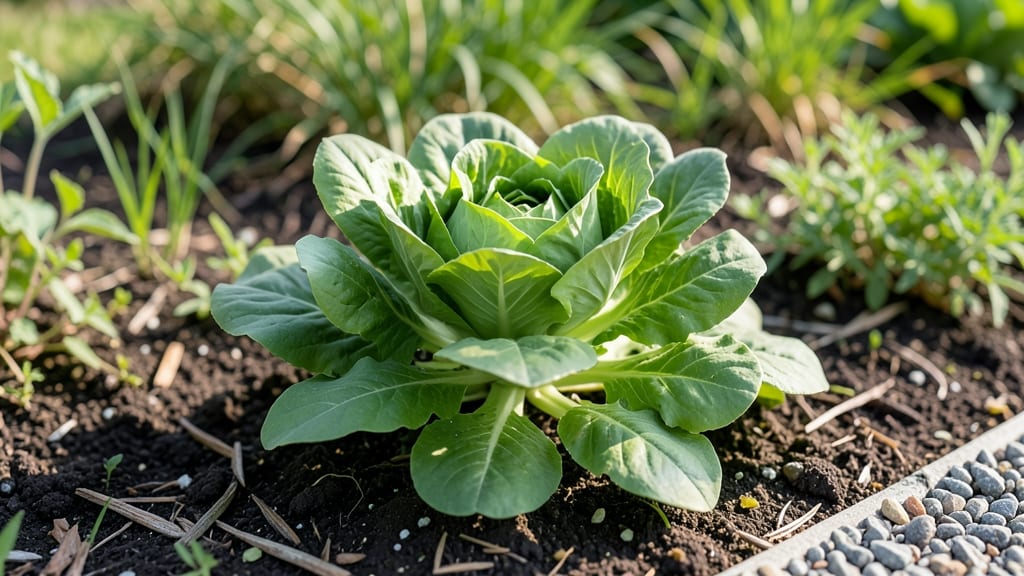
Transform your garden life with green leaf lettuce—growing it in just 4 weeks feels like magic—until you know the trick. 🌱 I’ve grown this variety for years, and the secret isn’t complicated: it’s all about timing, soil, and a little patience.
Skip the seed-starting hassle and plant directly in cool weather for the fastest, freshest harvests your kitchen will ever see.
Start with loose, well-draining soil rich in compost—no fancy amendments needed. Lettuce thrives in partial shade (3-6 hours of sunlight daily), making it perfect for containers or garden edges. Water gently at the soil line to avoid wetting leaves, and keep the bed consistently moist but never soggy.
Within 2-3 weeks, you’ll spot those first tender leaves ready for cutting.
Harvest by snipping outer leaves when they’re 3-4 inches tall, leaving the center to regrow. This method gives you continuous harvests for weeks, and the flavor? Crisp, sweet, and impossible to resist. The best part? No pesticides needed—just pull off any yellowed leaves and watch your plants bounce back.
Works in small spaces, raised beds, or even a sunny windowsill with the right container. Here’s how to make it happen—no green thumb required.
📚 In This Guide
- What you need
- Instructions
- Tips and common mistakes
- Wrapping up and next steps
What you need
- ● Seeds: 50–100 green leaf lettuce seeds (non-GMO, heirloom, or organic preferred).
- ● Growing Containers: 4–6-inch deep pots (for 1–2 plants each) or
- ● A raised bed or in-ground plot (minimum 6 inches deep, 12–18 inches wide).
- ● Growing Medium: High-quality potting mix (sterile, well-draining, and peat-free if possible).
- ● Compost (1–2 cups per container or per square foot of bed).
- ● Fertilizer: Balanced organic fertilizer (5-5-5 or 10-10-10) or compost tea.
- ● Watering Can or Hose: With a gentle spray nozzle for even moisture.
- ○ Gloves & Pruners: (Optional but helpful for handling plants and harvesting.)
- ● Row Covers: Lightweight fabric to protect seedlings from pests or harsh sun.
- ● Shade Cloth: 30–50% coverage for hot climates (prevents bolting).
- ● pH Test Kit: To ensure soil pH is between 6.0–7.0 (ideal for lettuce).
- ● Drip Irrigation System: For consistent moisture in larger gardens.
Step-by-step instructions for growing garden life green leaf lettuce
Here's how I grow crisp, ready-to-harvest lettuce in just 4 weeks—no fancy equipment needed.
🌱 Step 1: Prepare the Soil for Optimal Germination
Lettuce thrives in loose, nutrient-rich soil with excellent drainage. Work 2-3 inches of compost into the top 6 inches of your garden bed or container mix. Green leaf varieties like Garden Life prefer a slightly acidic to neutral pH (6.0-7.0). If your soil is heavy clay, amend it with 1 part perlite to 3 parts soil to prevent compaction.
Level the planting area with a rake, removing any rocks or debris. Lettuce roots are shallow, so a smooth surface prevents them from growing crooked. Water the prepared bed thoroughly 24 hours before planting—this ensures even moisture when you sow seeds.
🌱 Step 2: Sow Seeds at the Right Depth and Spacing
Sow seeds ¼ inch deep, spacing them 1 inch apart in rows 12 inches apart. For a continuous harvest, stagger plantings every 2 weeks—this way, you'll always have fresh lettuce. I like to use a seed tape (if available) for precision, but if sowing loose seeds, scatter them gently and avoid clumping.
Keep the soil surface moist but not soggy after planting. A light misting with a fine spray nozzle works best. Cover the area with 1 inch of straw mulch to retain moisture and deter weeds. Lettuce seeds germinate best in 55-75°F soil, so avoid planting in extreme heat or cold.
☀️ Step 3: Provide Consistent Moisture and Moderate Light
Water seedlings daily for the first 7-10 days until they reach 2 inches tall. After that, water every other day, aiming for 1 inch of water per week. Overhead watering can spread disease, so use a drip irrigation system or soaker hose if possible. Let the top ½ inch of soil dry between waterings—this prevents root rot.
Green leaf lettuce prefers partial shade in hot climates (morning sun, afternoon shade) to stay crisp. In cooler regions, provide 4-6 hours of direct sunlight daily. If growing indoors, place under a grow light 6-12 inches above the plants for 12-14 hours per day. Watch for leggy growth—this means the light is too far away.
🌿 Step 4: Thin Seedlings and Fertilize Lightly
When seedlings reach 1-2 inches tall, thin them to 4-6 inches apart to allow proper airflow and prevent disease. Use scissors to snip unwanted seedlings at soil level—this avoids disturbing roots. Harvest the thinned seedlings for baby greens or compost them.
Fertilize once when seedlings are 3-4 inches tall with a balanced liquid fertilizer (10-10-10) diluted to half strength. Over-fertilizing causes bitter leaves, so skip nitrogen-heavy feeds. Side-dress with ½ cup compost tea every 2 weeks for extra nutrients without risk.
✂️ Step 5: Harvest for Maximum Crispness and Flavor
Green leaf lettuce is ready to harvest in 4-6 weeks when leaves reach 4-6 inches long. Cut outer leaves ½ inch above the base with clean scissors—this encourages regrowth. For a full head harvest, cut the entire plant 1 inch above the soil when the center leaves are mature.
Harvest in the morning when leaves are most crisp. Rinse gently in cool water, spin dry, and store in a sealed container lined with paper towels in the fridge for up to 1 week. For continuous harvests, replant new seeds every 2 weeks—this ensures a steady supply all season.
Tips & tricks for perfect garden life green leaf lettuce
These simple strategies will help you grow lettuce that's crisp, flavorful, and ready to harvest in record time.
Soil Preparation Secret: When amending your soil with 2-3 inches of compost and 1 part perlite to 3 parts soil, mix thoroughly until you see uniform color throughout. This ensures even moisture distribution and prevents dry pockets where seeds might fail to germinate. I always test the soil's pH before planting—if it's outside the 6.0-7.0 range, adjust with lime (to raise) or sulfur (to lower) before adding compost. This small step prevents nutrient deficiencies that cause bitter-tasting leaves later.
Seed Placement Precision: The ¼ inch deep planting depth is critical—any deeper and seeds may rot from excess moisture, any shallower and they'll dry out. Use a pencil or stick to mark planting rows 12 inches apart before sowing. For loose seeds, try the "snow method": scatter seeds on a light dusting of snow (or flour) to visualize spacing before pressing into soil. This ensures your 1 inch apart spacing stays consistent, which prevents overcrowding that leads to leggy, weak plants.
Watering Strategy: The 24 hours before planting soaking is non-negotiable—it creates the perfect seedbed. After sowing, maintain that moisture with a fine spray nozzle rather than a heavy stream. I've found that applying water in the morning allows excess to evaporate by evening, reducing fungal risks. For container gardens, place trays underneath to catch runoff—lettuce roots hate soggy conditions. The ½ inch dry topsoil rule between waterings is your best guide for preventing root rot while keeping leaves crisp.
Light Management: Green leaf lettuce's preference for 4-6 hours of sunlight in cooler climates or partial shade in hot ones is about balance. In summer, I use shade cloth (30-50% coverage) to protect plants from intense afternoon sun that causes bolting. For indoor grow lights, maintain that 6-12 inch distance and adjust height as plants grow—too far and they'll stretch (leggy growth), too close and they'll scorch. Rotate containers weekly to ensure even light exposure all around.
Pro Tips for Garden Life Green Leaf Lettuce
- These simple strategies will help you grow lettuce that's crisp, flavorful, and ready to harvest in record time.
- Soil Preparation Secret: When amending your soil with 2-3 inches of compost and 1 part perlite to 3 parts soil, mix thoroughly until you see uniform color throughout.
- Seed Placement Precision: The ¼ inch deep planting depth is critical—any deeper and seeds may rot from excess moisture, any shallower and they'll dry out.
Frequently asked questions
Got questions about growing garden life green leaf lettuce? You’re not alone! Here are answers to the most common queries—from timing to troubleshooting—to help you grow crisp, delicious lettuce in just 4 weeks.
How long does green leaf lettuce take to harvest?
Green leaf lettuce is one of the fastest-growing lettuce varieties! With the right conditions (cool temps, consistent moisture, and partial shade), you can harvest baby leaves in 3–4 weeks or full heads in 5–6 weeks. For continuous harvests, sow seeds every 2 weeks.
Can I grow green leaf lettuce in hot weather?
Green leaf lettuce prefers cool temperatures (50–70°F), but it can tolerate light heat better than other varieties. For summer growing, provide dappled shade (like a shade cloth) and keep soil moist. If temps exceed 80°F, growth slows, and leaves may bolt—try succession planting in early fall instead.
What’s the best companion plant for green leaf lettuce?
Green leaf lettuce thrives alongside carrots, radishes, strawberries, and cucumbers. Avoid planting near celery, parsley, or mint, as they compete for nutrients. For a bonus, interplant with bush beans—they fix nitrogen in the soil, benefiting your lettuce!
Why are my lettuce leaves turning yellow or wilted?
Yellowing leaves often signal overwatering or nutrient deficiency (like nitrogen). Wilting can mean underwatering or heat stress. Check soil moisture—it should stay consistently damp but not soggy. If leaves are crispy, mulch to retain moisture. For yellow edges, add a balanced fertilizer (like 5-5-5) or compost.
Can I harvest green leaf lettuce without cutting the whole head?
Green leaf lettuce is cut-and-come-again friendly. Snip outer leaves 1–2 inches above the base with clean scissors, leaving the inner leaves to regrow. This method extends your harvest by 2–4 weeks and encourages bushier growth. Just avoid harvesting more than 1/3 of the plant at once.
Wrapping up and next steps
Growing your own garden life green leaf lettuce is a rewarding experience that brings fresh, crisp greens to your table in just four weeks! Whether you're a beginner or a seasoned gardener, this quick-growing crop is perfect for small spaces, containers, or backyard plots.
With the right tools, a little patience, and a dash of care, you’ll enjoy a bountiful harvest that’s nutritious, delicious, and satisfying.
Ready to dive in? Start small—plant a few seeds this week and watch your garden transform! For even more success, explore extension resources or join local gardening groups to share tips and inspiration. Happy growing! 🌱