
Pests and Diseases
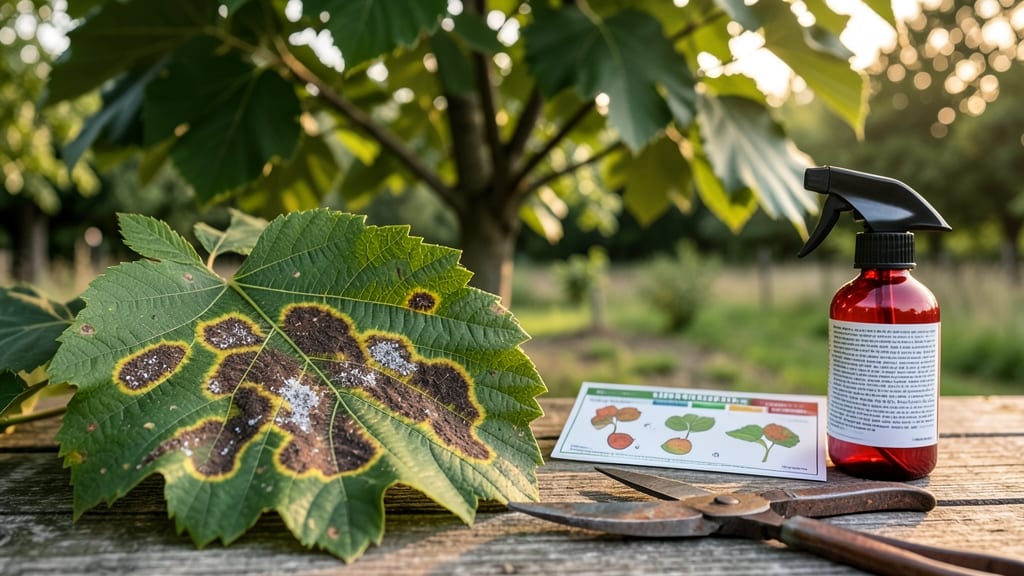
When your mulberry leaves start showing black spots, yellowing, or curling, it’s not just cosmetic—it’s a sign your tree is fighting for its life. 🌿 I’ve battled mulberry leaf disease in my backyard, and the difference between saving a tree and losing it often comes down to acting fast.
The good news? With the right steps, you can stop the spread, revive damaged foliage, and keep your tree healthy for years.
The disease usually starts with fungal or bacterial infections—think wet leaves, poor airflow, or stressed trees—but pests like aphids or environmental factors (like drought or extreme heat) can make things worse.
The key is catching it early: look for dark spots with yellow halos, wilting, or premature leaf drop. If you see these signs, don’t wait—your tree’s recovery depends on it.
Here’s the game-changer: prune infected leaves immediately, apply a copper fungicide or neem oil spray, and improve airflow around the tree. I’ve seen trees bounce back within 4-6 weeks of consistent care, with new growth that’s disease-free and vibrant.
The secret? Prevention—sanitize tools, water at the base (not overhead), and choose disease-resistant varieties if you’re planting new trees. This isn’t just about fixing the problem—it’s about long-term health. A mulberry tree with strong roots and good airflow resists disease naturally.
Follow these steps, and you’ll have a thriving tree that produces juicy berries and lush foliage for seasons to come. Let’s get your mulberry back in fighting shape.
Root Causes Of Mulberry Foliage Decline
Mulberry trees, with their lush green leaves and resilient nature, can still fall prey to diseases that weaken their health and productivity. Understanding the why behind mulberry leaf disease is the first step toward prevention and recovery.
Below, we break down the primary culprits—from microbial invaders to environmental stressors—that trigger these issues.
Fungal, bacterial, and viral pathogens are the most common instigators of mulberry leaf disease. These microscopic intruders exploit weak spots in the tree’s defenses, leading to discoloration, spots, or even leaf drop.
🍄 Fungal Infections: The Silent Spreaders
Fungi thrive in warm, humid conditions and are the leading cause of mulberry leaf disease. Here’s how they strike:
- Anthracnose: Caused by Colletotrichum species, this fungus creates dark, sunken lesions on leaves, often with a yellow halo. It spreads rapidly in wet weather, especially during spring rains.
- Powdery Mildew: A white, powdery coating on leaves (caused by Erysiphe or Sphaerotheca) blocks sunlight, stunting growth. It flourishes in shady, poorly ventilated areas.
- Leaf Spot Diseases: Fungi like Cercospora or Alternaria create irregular brown or black spots with yellow borders. These often appear in late summer when humidity peaks.
Why it happens: Fungal spores linger in soil, debris, or infected plant tissue, waiting for ideal conditions—high moisture, stagnant air, or stressed trees—to launch an attack.
🧫 Bacterial Blights: Fast and Fierce
Bacteria like Pseudomonas or Xanthomonas enter through wounds or natural openings (e.g., stomata) and multiply quickly. Symptoms include:
- Water-soaked spots that turn brown or black.
- Oozing bacterial ooze (a telltale sign of bacterial infection).
- Premature leaf drop.
Why it happens: Bacteria spread via wind, rain splash, or contaminated tools. They thrive in wet, warm conditions, often following hail damage or pruning cuts.
🦠 Viruses: The Hidden Saboteurs
Viruses (e.g., mulberry mosaic virus) are less common but devastating. They’re spread by insects like aphids or through infected grafting material. Symptoms include:
- Mottled or distorted leaves.
- Stunted growth.
- Reduced fruit yield (if applicable).
Why it happens: Viruses hijack the tree’s cellular machinery, disrupting nutrient flow. Since they lack independent reproduction, they rely on vectors (like insects) or human activity (e.g., sharing tools) to jump hosts.
Even without pathogens, mulberry trees can develop leaf issues due to environmental factors that weaken their immune response.
💦 Overwatering or Poor Drainage
Soggy roots and waterlogged soil create the perfect breeding ground for fungi and bacteria. Symptoms include:
- Yellowing leaves (chlorosis).
- Leaf curl or wilting.
- Root rot (if severe).
Why it happens: Excess moisture suffocates roots, cutting off oxygen and nutrients. Fungi like Phytophthora exploit this, leading to root and foliar diseases.
☀️ Extreme Heat or Drought
Prolonged drought stresses trees, making them vulnerable to pests and diseases. Signs include:
- Brown, crispy leaf edges.
- Premature leaf drop.
- Reduced vigor.
Why it happens: Drought weakens the tree’s cell walls, making it easier for pathogens to penetrate. Heat also increases transpiration, dehydrating leaves and making them more susceptible to sun scorch.
🌬️ Poor Air Circulation
Tightly packed mulberry trees or those grown in shaded areas trap humidity, creating ideal conditions for fungal diseases like powdery mildew. Look for:
- White fungal growth on undersides of leaves.
- Slow growth.
- Leaf yellowing.
Why it happens: Stagnant air reduces evaporation, keeping leaves damp longer. Fungal spores land on wet surfaces and germinate rapidly.
Insects and mites don’t directly cause mulberry leaf disease, but their feeding weakens trees, making them prime targets for pathogens.
🐜 Sap-Sucking Insects (Aphids, Scale, Spider Mites)
These pests pierce leaves to feed on sap, leaving behind:
- Sticky honeydew (aphids).
- White cottony masses (scale).
- Fine webbing (spider mites).
Why it happens: Their saliva contains toxins that damage cells, creating entry points for fungi and bacteria. Honeydew also fosters sooty mold growth, further blocking sunlight.
🐛 Leaf-Chewing Insects (Caterpillars, Japanese Beetles)
While they don’t spread disease directly, their feeding creates wounds that invite infections. Look for:
- Ragged leaf edges.
- Fecal droppings.
- Skeletonized leaves (only veins remain).
Why it happens: Open wounds expose the tree to fungal spores or bacterial colonies in the environment.
Even well-intentioned gardening habits can inadvertently stress mulberry trees, opening doors for disease.
🔪 Improper Pruning
Over-pruning or cutting at the wrong time (e.g., during active growth) stresses trees. Symptoms include:
- Slow recovery.
- Increased susceptibility to fungal infections.
- Weak new growth.
Why it happens: Pruning wounds take time to heal. If made in damp conditions or with dirty tools, they become gateways for pathogens.
🌿 Nutrient Deficiencies
Lack of essential nutrients (e.g., nitrogen, magnesium, iron) weakens leaves, making them prone to disease. Signs vary:
- Nitrogen deficiency: Pale green or yellow leaves (chlorosis).
- Magnesium deficiency: Interveinal yellowing (between veins).
- Iron deficiency: Yellowing between veins, especially on young leaves.
Why it happens: Weakened leaves have thinner cell walls, making them easier targets for fungal penetration. Poor soil health also reduces beneficial microbes that suppress pathogens.
🚫 Ignoring Sanitation
Leaving fallen leaves, debris, or infected plant material near mulberry trees creates a reservoir for pathogens. Symptoms may appear months later.
Why it happens: Fungal spores and bacterial cells overwinter in organic matter, ready to reinfect when conditions improve.
Fixing Foliage Fails: Step-by-Step Solutions
Mulberry leaf disease can turn your once-vibrant trees into a sad, spotted mess—but don’t worry! With the right approach, you can nurse them back to health. Below, we’ve mapped out practical fixes based on the most common causes, from fungal infections to pest invasions.
Plus, we’ll share prevention tips to keep your mulberries thriving long-term.
Fungal diseases love damp, crowded leaves. Here’s how to banish them for good:
- Prune the Problem Areas 🔪
- Remove infected leaves (especially yellowing or spotted ones) and sterilize your pruners with rubbing alcohol or a bleach solution (1 part bleach to 9 parts water).
- Focus on lower branches and overcrowded spots where airflow is poor.
- Apply Fungicide 🛡️
- Use a copper-based fungicide (like Bordeaux mixture) or a neem oil spray (1 tbsp neem oil + 1 tsp mild soap per quart of water). Spray early morning or evening to avoid burning leaves.
- Reapply every 7–10 days until new growth appears healthy.
- Boost Airflow & Sunlight 🌬️☀️
- Thin out dense branches to improve circulation.
- Avoid overhead watering—use drip irrigation or water at the base instead.
💡 Pro Tip: Mulch around the base with wood chips (not fresh organic matter) to prevent soil-borne fungi from splashing onto leaves.
Pests weaken leaves, making them prime targets for disease. Here’s how to evict them fast:
- Blast Them Off 💦
- Strong water spray (hose on a gentle setting) dislodges aphids and spider mites. Do this every 2–3 days for a week.
- For scale insects, scrape them off with a soft brush dipped in soapy water.
- Introduce Natural Predators 🐞🐝
- Ladybugs and lacewings devour aphids. Buy them online or attract them with dill, fennel, or marigolds planted nearby.
- Parasitic wasps (like Aphidius colemani) target spider mites—order them from garden centers.
- Use Organic Pesticides 🌿
- Insecticidal soap (1.5 tbsp per gallon of water) works on soft-bodied pests. Spray directly on infested areas.
- Neem oil (2 tbsp per gallon) smothers eggs and adults. Reapply after rain.
✨ Prevention Hack: Wrap tree trunks with sticky bands (like Tanglefoot) in early spring to trap crawling pests before they reach the leaves.
Yellowing or stunted leaves? Your mulberry might be hungry or malnourished. Fix it with:
- Soil Test First 📊
- Use a home soil test kit to check pH (ideal: 6.0–7.0 for mulberries) and nutrient levels.
- Clay or compacted soil? Amend with compost or peat moss to improve drainage.
- Targeted Fertilizing 🌱 - Yellow leaves with green veins? → Iron deficiency. Apply chelated iron (like Ironite) or sprinkle egg shells (crushed) around the base. - Purple stems or edges? → Magnesium deficiency.
Use Epsom salt (1 tbsp per gallon of water) as a foliar spray. - Pale, slow growth? → Nitrogen boost. Use fish emulsion or blood meal in early spring.
- Mulch Like a Pro 🌿
- Apply 2–3 inches of mulch (straw, pine needles, or shredded bark) to retain moisture and nutrients.
- Avoid fresh grass clippings—they mat down and suffocate roots.
💡 Quick Fix: Mix 1 tbsp of coffee grounds (for nitrogen) into the soil around the base—mulberries love the acidity!
Mulberries are tough, but too much or too little water stresses them out. Adjust your care:
- Watering Wisdom 💧
- Overwatering? Let the top 2 inches of soil dry out between waterings. Improve drainage with gravel or sand in heavy clay soil.
- Drought stress? Deep-water once a week (1–1.5 inches per session). Use mulch to lock in moisture.
- Shade & Heat Relief 🌳🌡️
- If your area gets scorching summers, provide partial shade (especially for young trees) with lightweight shade cloth.
- Mist leaves in extreme heat (early morning only) to prevent sun scorch.
- Adjust pH if Needed 🔄
- Too acidic? Add lime (follow package instructions).
- Too alkaline? Mix in sulfur or pine needles.
🎯 Long-Term Tip: Plant mulberries in well-draining, slightly acidic soil (pH 5.5–7.0) from the start to avoid future stress.
An ounce of prevention beats a pound of cure! Follow this year-round routine:
| Season | Task | Why It Works |
|---|---|---|
| Early Spring | Prune dead branches, apply copper fungicide, and check for overwintering pests. | Removes hiding spots for fungi and bugs. |
| Spring/Summer | Mulch, water deeply but infrequently, and monitor leaves weekly. | Encourages strong roots and early disease spotting. |
| Fall | Rake up fallen leaves, compost healthy ones, and fertilize lightly. | Prevents fungal spores from overwintering. |
| Winter | Inspect bark for cracks (pest entry points) and protect young trees with burlap. | Stops cold stress and pest invasions. |
Final Thought: Mulberry leaf disease doesn’t have to be a death sentence—act fast, stay consistent, and give your trees the right care. With these fixes, your mulberries will bounce back stronger than ever! 🌿💪
Frequently asked questions
What do mulberry leaf spots look like, and how do I tell if it’s fungal vs. bacterial?
Fungal spots usually appear as dark brown or black with yellow halos, often with a fuzzy texture (like powdery mildew). Bacterial spots are water-soaked and greasy-looking, sometimes oozing a yellowish fluid. Check the leaf undersides too—fungal growth often appears there first.
Can I save my mulberry tree if half the leaves are already infected?
Yes! Start by pruning all infected leaves (sterilize tools between cuts), then apply a copper fungicide every 7-10 days. Focus on improving airflow by thinning branches. With consistent care, new growth should emerge within 4-6 weeks. The key is acting fast before the disease spreads to the trunk.
Will neem oil work for mulberry leaf disease, or do I need stronger chemicals?
Neem oil is excellent for early-stage fungal/bacterial infections—mix 1 tbsp neem oil + 1 tsp mild soap per quart of water and spray leaves thoroughly. For severe cases, combine it with a copper-based fungicide (like Bordeaux mixture). Always spray in the early morning or evening to avoid leaf burn.
How do I prevent mulberry leaf disease from coming back next year?
Focus on 3 key practices:
- Sanitation—remove and destroy all fallen leaves/debris by fall,
- Airflow—thin branches to reduce humidity, and
- Preventive sprays—apply neem oil or copper fungicide every 4-6 weeks during growing season. Test soil pH too—mulberries thrive in 6.0-7.0 range.
My mulberry leaves are curling—could this be disease, or is it just heat stress?
Heat stress causes dry, crispy edges while disease often shows spots, discoloration, or sticky residue (from pests). Check leaf undersides for fungal growth or pests. If it’s heat stress, water deeply once a week and provide partial afternoon shade—mulberries can handle heat but need moisture.