
Aphids
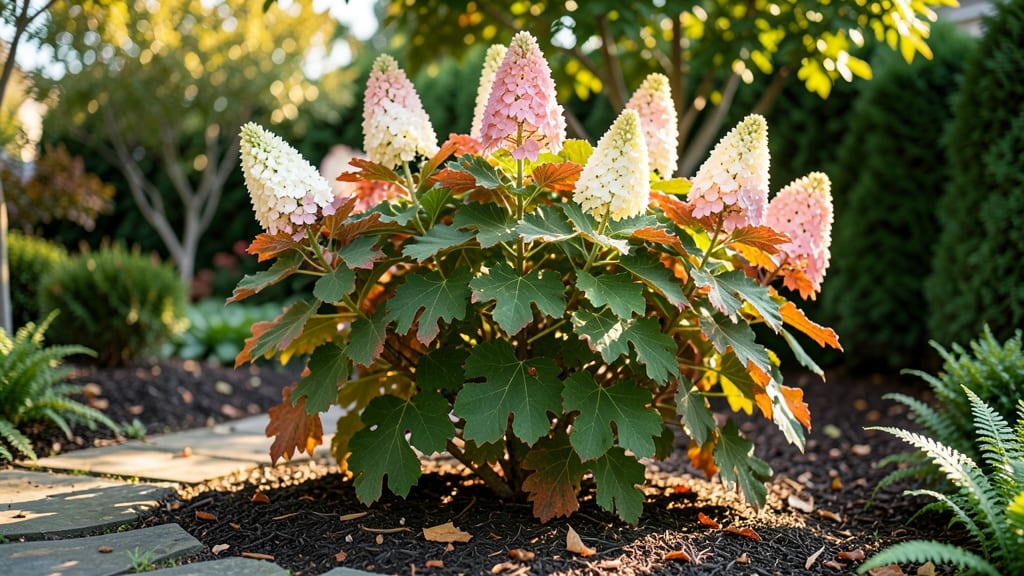
Oakleaf hydrangeas can reach 4–8 feet in height—but pruning turns them into either lush shrubs or towering statement plants. 🌿 I’ve watched mine transform from scraggly volunteers into neighborhood showstoppers by adjusting cuts after each season. The secret lies in when and how you prune, not just how much.
These deciduous beauties thrive in partial shade, where they bloom on old wood but stay more compact than their sun-loving cousins. Too much sun stretches their growth, while shade keeps them bushier—though they’ll still hit their natural height range.
The key is late-winter pruning to shape without sacrificing next year’s blooms.
You’ll end up with a plant that fits your space perfectly: 3–4 feet for a tidy border or 6–8 feet as a dramatic focal point. Just remember—every cut after flowering removes next year’s buds, so plan ahead. The foliage alone, with its oakleaf-shaped leaves, makes them worth growing.
For small gardens, prune back one-third in late winter; for bold height, let them grow and prune lightly. Either way, you’ll get long summer blooms and foliage that turns fiery red in fall. Now let’s talk timing!
📚 In This Guide
- What you need
- Instructions
- Tips and common mistakes
- Wrapping up and next steps
What you need
- ● Pruning shears: Sharp, bypass-pruners (for clean cuts on stems up to ½-inch thick). Pro tip: Sanitize with rubbing alcohol before and after use to prevent disease! 💡
- ● Loppers: 1 pair (for thicker branches, 1–2 inches in diameter).
- ● Hand pruners: Small, anvil-type (for delicate trimming of new growth).
- ● Gloves: Heavy-duty gardening gloves (to protect from thorns and sap).
- ● Disinfectant: 1 bottle (70% isopropyl alcohol or a 10% bleach solution).
- ○ Pruning sealant: 1 small tube (optional, for sealing large cuts to prevent disease).
- ● Knowledge of oakleaf hydrangea growth: Familiarize yourself with its deciduous habits and blooming cycles (late spring/early summer).
- ● Weather check: Prune on a dry, cloudy day to reduce stress on the plant. ☁️
- ○ Optional: Extension pole (for tall hydrangeas, 4–6 feet).
- ● Plant marker flags (to label pruned sections if experimenting with shapes).
- ● Mulch (2–3 inches of organic mulch post-pruning to retain moisture).
Instructions for mastering oakleaf hydrangea height through pruning
Here’s the precise method I use to coax oakleaf hydrangeas into either lush, compact shrubs or dramatic, towering specimens—without sacrificing blooms.
✂️ Step 1: Identify Your Growth Goal Before Pruning
Oakleaf hydrangeas grow naturally into 6-12 foot shrubs, but their final height depends entirely on how you prune. For a compact, bushy look (3-5 feet), focus on removing old wood in late winter to encourage new growth from the base. For a tall, tree-like form (8+ feet), preserve the central leader and prune selectively to maintain vertical structure.
I always start by examining the plant’s skeletal structure—look for the strongest, most upright stems. These will become your framework. If you’re aiming for height, mark the top 3-4 stems to keep; if compact, prune back to 12-18 inches from the ground to stimulate dense branching.
✂️ Step 2: Time Your Pruning for Maximum Control
Prune oakleaf hydrangeas right after blooming (late summer) or in late winter/early spring before buds swell. Summer pruning removes spent blooms and redirects energy to new growth, while winter pruning shapes the structure for the coming season. Never prune in fall—this encourages tender growth that won’t survive winter.
For height control, I prune immediately after flowers fade in August. This is when the plant shifts focus from blooms to next year’s buds. Use clean, sharp pruners to cut just above a bud or leaf node, angled slightly downward. Avoid leaving stubs—this invites disease and weak growth.
☀️ Step 3: Prune for Structure (Compact or Tall)
For a compact shrub, cut back one-third of the oldest stems to the ground in late winter. This forces the plant to produce multiple new shoots from the base, creating a fuller, lower profile. For a tall, tree-like form, remove lower branches that compete with the central leader, thinning out 20-30% of the interior growth to improve airflow and light penetration.
Watch for water sprouts—those thin, vertical shoots that pop up between branches. These steal energy from your intended structure. Snip them off at the base as soon as you spot them. Oakleaf hydrangeas respond well to light pruning year-round to maintain your desired shape, but avoid heavy cuts after mid-summer.
🌿 Step 4: Feed and Water for Height Success
After pruning, apply a balanced, slow-release fertilizer (10-10-10) to encourage robust regrowth. Oakleaf hydrangeas thrive in well-draining, acidic soil (pH 5.5-6.2), so amend with compost or peat moss if your soil is heavy. Water deeply once a week during the first growing season to establish strong roots—1-2 inches of moisture per week is ideal.
For taller growth, I stake the central leader if needed, tying it to a 4-6 foot support until it’s strong enough to stand alone. Mulch around the base with 2-3 inches of organic mulch to retain moisture and insulate roots. Avoid overwatering—soggy soil leads to root rot, which stunts growth and invites pests.
⏰ Step 5: Monitor and Adjust Yearly
Oakleaf hydrangeas grow 12-24 inches per year, so reassess your pruning strategy annually. If the plant outgrows your space, prune back selectively in late winter to maintain your desired height. For compact shrubs, I repeat the one-third rejuvenation cut every 2-3 years to keep the plant vigorous.
Watch for new shoots emerging at the base—these are your signal that the plant is responding well. If growth slows or flowers diminish, it’s time to reduce pruning and focus on soil health and consistent watering. Oakleaf hydrangeas reward patience; with the right cuts, you’ll shape them into either a bushy statement piece or a towering garden focal point within a few seasons.
Tips & tricks for perfect oakleaf hydrangea pruning
These pruning secrets will help you shape your oakleaf hydrangeas into either a lush, compact specimen or a dramatic vertical statement—without sacrificing those stunning blooms.
Pruning Timing is Everything: The instructions mention pruning right after blooming in August or during late winter/early spring, but here's what nobody tells you: August pruning is your best bet for height control because it redirects the plant's energy toward next year's growth while still allowing current blooms to fade naturally. If you must prune in winter, do it just as buds begin to swell—never when they're fully dormant. I've seen plants stressed by early winter pruning fail to bloom the following season.
The 45-Degree Angle Matters: When you make those clean cuts just above a bud or leaf node (as instructed), angle the cut downward at about 45 degrees. This simple technique prevents water from pooling on the cut surface, which dramatically reduces the risk of fungal infections. Use sharp pruners—dull blades crush stems and create jagged edges that invite disease. I keep a small bottle of rubbing alcohol handy to wipe down my pruners between cuts for extra protection.
Water Sprout Patrol: Those pesky water sprouts that pop up between branches? They're not just unsightly—they're energy thieves. Remove them as soon as you spot them by cutting all the way back to their base. I do this throughout the growing season, not just during pruning time. For compact shrubs, I also watch for any vertical growth that might compete with my desired bushy shape and trim it back immediately. This constant vigilance keeps my plants looking intentional rather than wild.
Soil pH is Non-Negotiable: The instructions mention acidic soil (pH 5.5-6.2), but here's the pro move: test your soil before pruning. Oakleaf hydrangeas are particularly sensitive to alkaline soil, which can cause yellowing leaves and poor blooming. If your soil tests higher than 6.2, amend with sulfur or peat moss before pruning. I've seen dramatic improvements in plant health after just one season of proper soil adjustment—especially in those first few years after heavy pruning.
Pro Tips for Oakleaf Hydrangea Height
- These pruning secrets will help you shape your oakleaf hydrangeas into either a lush, compact specimen or a dramatic vertical statement—without sacrificing those stunning blooms.
- If you must prune in winter, do it just as buds begin to swell—never when they're fully dormant.
- The 45-Degree Angle Matters: When you make those clean cuts just above a bud or leaf node (as instructed), angle the cut downward at about 45 degrees.
Frequently asked questions
about oakleaf hydrangea height—because every gardener deserves clarity! Here are answers to the most common questions to help you master pruning and growth.How tall can oakleaf hydrangeas grow if I don’t prune them?
If left unpruned, oakleaf hydrangeas (Hydrangea quercifolia) can reach 10 to 15 feet tall (and sometimes even taller in ideal conditions). Their natural, vase-like shape makes them stunning in woodland gardens, but they’ll need space to sprawl. Pruning in late winter or early spring keeps them more manageable while preserving their beauty.
When is the best time to prune for compact growth?
For a shorter, bushier oakleaf hydrangea, prune in late winter or early spring (before new growth emerges). Remove up to one-third of the oldest stems to encourage fresh, compact foliage. Avoid summer pruning—it can stimulate late-season growth that may not harden off before frost.
Can I prune oakleaf hydrangeas in summer to control height?
While you can prune in summer, it’s not ideal for height control. Summer cuts may trigger soft, tender growth that struggles in fall frost, reducing winter hardiness. If you must prune, do it early summer and only to shape—never to drastically reduce height. Save major pruning for dormancy.
Are there dwarf varieties of oakleaf hydrangeas?
Yes! While no true "dwarf" oakleaf hydrangea exists, some cultivars stay smaller than average. Look for ‘Pee Wee’ (3–4 ft tall) or ‘Snow Queen’ (4–5 ft tall). These are perfect for containers or small gardens. Even standard varieties can be kept compact with annual pruning and proper spacing.
Why is my oakleaf hydrangea growing unevenly or leaning?
Uneven growth often signals poor sunlight, root competition, or pest damage. Check for:
- Shade issues: Oakleaf hydrangeas thrive in partial shade but need morning sun. Move it if it’s too dark.
- Root-bound pots: If container-grown, repot every 2–3 years to prevent stunted growth.
- Pests: Aphids or spider mites can weaken stems. Spray with neem oil if you spot them.
Does pruning affect winter hardiness?
Pruning too late (after buds swell in spring) can expose tender growth to frost damage. Always prune before buds break (late winter/early spring). Avoid heavy cuts in fall—this removes next year’s blooms and weakens the plant. Oakleaf hydrangeas are hardy to USDA Zone 5, but proper timing keeps them thriving!
Wrapping up and next steps
Mastering the height of your oakleaf hydrangea is all about timing, technique, and a little patience!
Whether you dream of a compact bush or a towering statement plant, the right pruning approach makes all the difference. 🌿 Now that you’re armed with the secrets—from late-winter cuts to shape-focused trims—it’s time to roll up your sleeves and give your plant the care it deserves.
Ready to transform your garden? Start small: pick one pruning session this season, observe how your hydrangea responds, and adjust as you go. Happy gardening—your future oakleaf hydrangea masterpiece awaits! 🌸