
Diseases
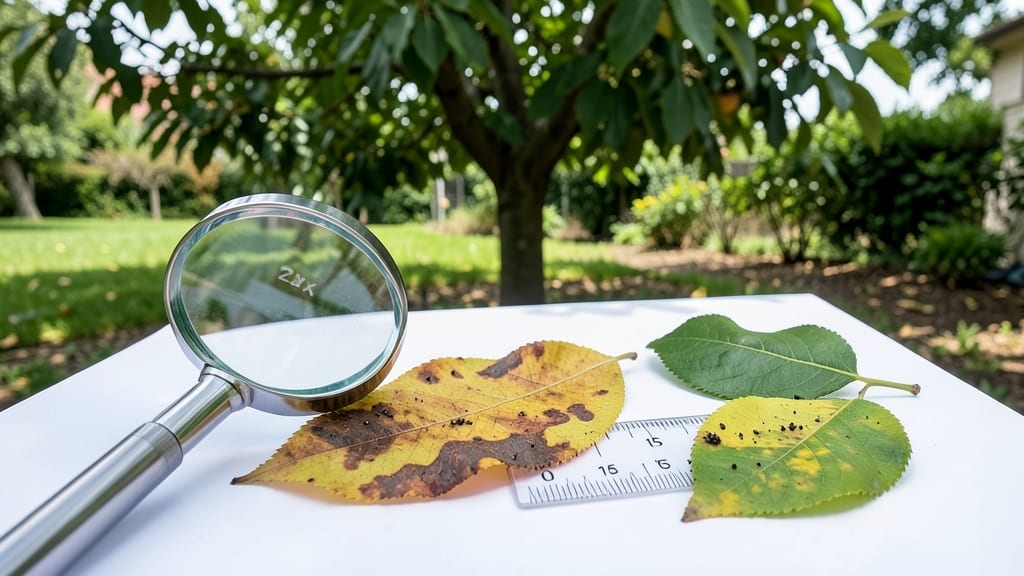
Peach leaf diseases pictures can turn vibrant foliage into a sad, spotted mess—🌿 but catching them early means saving your entire tree. I’ve spent years tracking the most common fungal foes that attack peach leaves, and the key to stopping them is recognizing the right symptoms before they spread.
The wrong treatment can make things worse, so knowing what you’re dealing with is half the battle.
Brown spots with yellow halos? That’s likely brown spot, the most aggressive peach leaf disease. Tiny purple specks on undersides? Leaf spot. Black, crusty patches? Maybe peach scab. Each has its own trigger—too much moisture, poor airflow, or last year’s infected leaves left on the ground.
The good news? Most respond to copper sprays, pruning for airflow, and removing fallen leaves before next season.
You’ll learn to diagnose diseases by leaf texture, spot shape, and where they appear—no fancy tools needed. Organic fixes like neem oil or baking soda sprays work for mild cases, while severe infections might need targeted fungicides.
The goal is to act fast: once diseases take hold, they’re harder to reverse.
This isn’t just about saving leaves—it’s about keeping your tree healthy for years. A little prevention now means bigger harvests later. Let’s get those peach trees thriving again.
Understanding The Root Causes
Peach trees are stunning when healthy, but their leaves can quickly become a battleground for fungal foes, bacteria, and environmental stressors. To stop diseases in their tracks, you need to know why they happen in the first place.
Here’s a breakdown of the most common culprits—and the science behind their attacks.
Fungi are the #1 cause of peach leaf diseases, thriving in warm, humid conditions. These microscopic invaders don’t just appear—they wait for the perfect moment to strike. Here’s how:
- Spores Lie in Wait: Many fungal pathogens (like Cladosporium carpophilum or Taphrina deformans) survive winter in fallen leaves, bark, or infected buds.
When spring arrives, spores splash onto fresh leaves via rain or wind, germinating within 24–48 hours if moisture lingers. - Pro Tip: 💡 Remove fallen leaves and prune infected branches in late winter to starve spores of a home base.
- Overhead Watering = Fungal Buffet: 🌧️ Fungi love wet leaves. When water droplets sit on foliage for 6+ hours, spores germinate and penetrate leaf tissue.
This is why: - Drip irrigation (watering at the base) is better than sprinklers. - Morning watering (so leaves dry by afternoon) reduces fungal risk.
- Stress Weakens Defenses: A peach tree under stress (from drought, poor soil, or nutrient deficiency) can’t fight off fungi as effectively. Nitrogen deficiency, for example, makes leaves thin and vulnerable to Cercospora leaf spot.
Bacteria like Xanthomonas and Pseudomonas cause bacterial leaf spot and canker, spreading via: - Rain-Splashed Wounds: Cracked bark or pruning cuts act as entry points.
Bacteria hitchhike on water droplets, infecting leaves within days. - Fix: 🔪 Sterilize pruners with rubbing alcohol between cuts to prevent cross-contamination. - Overcrowded Orchards: Poor airflow (from dense planting or thick foliage) traps moisture, giving bacteria a foothold. - Solution: ✂️ Thin branches to improve air circulation—aim for 6–8 feet between trees.
Diseases don’t just come from pathogens—they’re often invited by your tree’s surroundings. Key triggers include:
| Factor | How It Helps Diseases Spread | How to Fix It |
|---|---|---|
| High Humidity (>75%) | Fungi thrive; spores germinate faster. | 🌡️ Use a hygrometer and prune for airflow. |
| Late Spring Rains | Delays fungicide applications; spores activate. | ⏰ Apply preventive sprays in early spring (before buds swell). |
| Poor Drainage | Waterlogged soil stresses roots, weakening leaves. | 🏗️ Amend soil with compost or plant on a slight slope. |
| Extreme Heat (>90°F) | Weakens tree defenses; some fungi (like Monilinia) attack stressed tissue. | 💦 Mulch deeply (3–4 inches) to retain moisture. |
Sometimes, well-meaning gardeners accidentally create the perfect disease environment.
Common blunders: - Ignoring Pruning Hygiene: Leaving infected wood on the tree or reusing dirty tools spreads pathogens. - Do This: 🧼 Burn or bag infected branches (don’t compost them!) and sanitize tools with 10% bleach solution. - Over-Fertilizing Nitrogen: Too much N promotes soft, lush growth—a fungal buffet.
Aim for a balanced 10-10-10 or 8-3-9 fertilizer. - Planting in Shade: Peach trees need 6–8 hours of sun. Shady spots create damp, low-light conditions where fungi flourish.
Some pests don’t just damage leaves—they carry diseases.
Watch for: - Aphids & Scale Insects: These sap-suckers weaken trees, making them susceptible to sooty mold (a black fungal growth). - Attack: 💦 Blast them off with water or use neem oil (but apply in early morning to avoid harming bees). - Japanese Beetles: Their feeding wounds let bacterial canker slip in. - Prevent: 🌿 Plant trap crops (like roses) away from peach trees.
Key Takeaway: Most peach leaf diseases are preventable when you combine smart cultural practices (like pruning and watering) with early intervention. The moment you spot yellowing, spots, or weird growths, act fast—fungi and bacteria spread faster than you think! 🚀
Quick Fixes for Common Peach Leaf Issues
Peach trees are a gardener’s pride—but when fungal diseases strike, those glossy leaves can turn into a sad, spotted mess. 🍑💔 The good news? Most peach leaf diseases respond well to early action.
Below, we break down cause-specific solutions to restore your tree’s health, plus prevention tips to keep future outbreaks at bay.
Cause: Monilinia fructicola thrives in wet, humid conditions, causing circular brown spots with fuzzy edges.
How to Fix It: 🔥 Remove Infected Leaves & Fruit
- Prune any leaves, buds, or fruit showing brown spots (even if just a few). Dispose of them in the trash—not the compost!—to prevent spores from lingering.
🍳 Apply Fungicide Early
- Spray with a copper fungicide (like Bordeaux mixture) or a fungicide containing myclobutanil (e.g., Immunox) before bloom and again after harvest. Reapply every 10–14 days during rainy seasons.
👨🍳 Improve Airflow & Sanitation
- Thin out branches to reduce humidity in the canopy.
- Clean up fallen leaves and mummified fruit from the ground in fall and winter.
💡 Pro Tip: If brown rot appears after harvest, remove all remaining fruit immediately—it’s a major spore source!
Cause: Fungi like Cercospora or Alternaria create small, dark spots with yellow halos, often in hot, humid weather.
How to Fix It: 🔪 Prune for Light & Air
- Cut back overcrowded branches to let sunlight and air circulate. Fungus loves damp, shaded leaves!
🌡️ Water at the Right Time
- Water in the morning (not at night) to give leaves time to dry.
- Avoid overhead sprinklers—use drip irrigation instead.
✨ Use Organic or Chemical Fungicides
- Preventive spray: Mix 1 tbsp baking soda + 1 tsp horticultural oil + 1 gallon water (spray weekly).
- For severe cases: Use chlorothalonil (like Daconil) every 7–10 days during outbreaks.
🎯 Prevention Checklist: ✅ Mulch properly (2–3 inches of wood chips) to reduce soil splashes. ✅ Rotate fungicides if using chemicals to avoid resistance.
Cause: Podosphaera oxycanta coats leaves in a white, powdery film, weakening the tree.
How to Fix It: 🥘 Neem Oil Spray (Best for Mild Cases)
- Mix 1 tbsp neem oil + 1 tsp mild soap + 1 quart water. Spray both sides of leaves every 5–7 days until gone.
🔥 Horticultural Oil for Severe Infestations
- Apply dormant oil spray in late winter (before buds swell) to kill overwintering spores.
- Repeat with sulfur-based fungicides (like Liqui-Cop) during spring and summer.
💡 Pro Tip: Resistant varieties like ‘Redhaven’ or ‘Elberta’ handle mildew better—consider grafting if your tree is prone!
Cause: Xanthomonas bacteria create water-soaked, greasy spots that ooze when wet.
How to Fix It: ⏰ Act FAST—Bacteria Spread Quickly!
- Remove and destroy all infected leaves immediately.
- Disinfect pruners with 70% alcohol between cuts.
🔪 Preventive Copper Sprays
- Use copper hydroxide (like Champ) every 2 weeks during wet seasons.
- No chemical cure exists—focus on prevention and sanitation.
💡 Pro Tip: Avoid wounding the tree (e.g., rough pruning) to prevent bacterial entry points.
No matter the disease, healthy trees fight better.
Follow these year-round tips: - Test soil pH (peaches prefer 6.0–6.5)—adjust with lime or sulfur if needed. - Fertilize in early spring with balanced 10-10-10 or citrus-specific fertilizer. - Plant peaches in full sun (6+ hours daily) to reduce humidity. - Monitor weather forecasts—fungicides work best before rain.
Final Reminder: 🚨 Early detection is key! Check leaves weekly during growing season, and act at the first sign of spots, discoloration, or weird textures. With the right care, your peach tree can bounce back—and next year might just be its healthiest yet!
Frequently asked questions
What do peach leaf diseases look like in early stages?
Early signs often include tiny yellow specks or water-soaked patches on upper leaves. For brown spot, you’ll see small brown dots with yellow borders—about 1/8-inch wide. Powdery mildew starts as white, powdery coatings on leaf undersides, while bacterial spots appear greasy and wet. Check both sides of leaves and new growth first.
Can I use the same fungicide for all peach leaf diseases?
No—different diseases need targeted treatments. Copper fungicides work for bacterial issues, while myclobutanil (for brown rot) or sulfur (for powdery mildew) are more effective. Always match the fungicide to the specific pathogen. For organic options, neem oil helps with mildew, but baking soda sprays work better for leaf spots.
How often should I inspect my peach tree for diseases?
Check leaves every 5–7 days during growing season (spring to fall). Focus on new growth, undersides of leaves, and areas with poor airflow. After heavy rain or humidity spikes, inspect within 24 hours—that’s when spores activate. Early detection stops small issues from becoming tree-wide problems.
Will removing infected leaves alone fix the problem?
No—removing leaves is just the first step. You must also sterilize tools, improve airflow, and apply fungicides to break the disease cycle. Infected leaves left on the ground or in compost can re-infect your tree next season. Always dispose of them in the trash, not your compost bin.
Can peach leaf diseases spread to other fruit trees?
Yes, some diseases like brown rot and powdery mildew can jump to nearby stone fruits (plums, cherries, apricots). To prevent cross-contamination, space trees 15+ feet apart, sterilize tools between trees, and avoid overhead watering. Fungal spores hitchhike on wind and water, so containment is key.