
Pests and Diseases
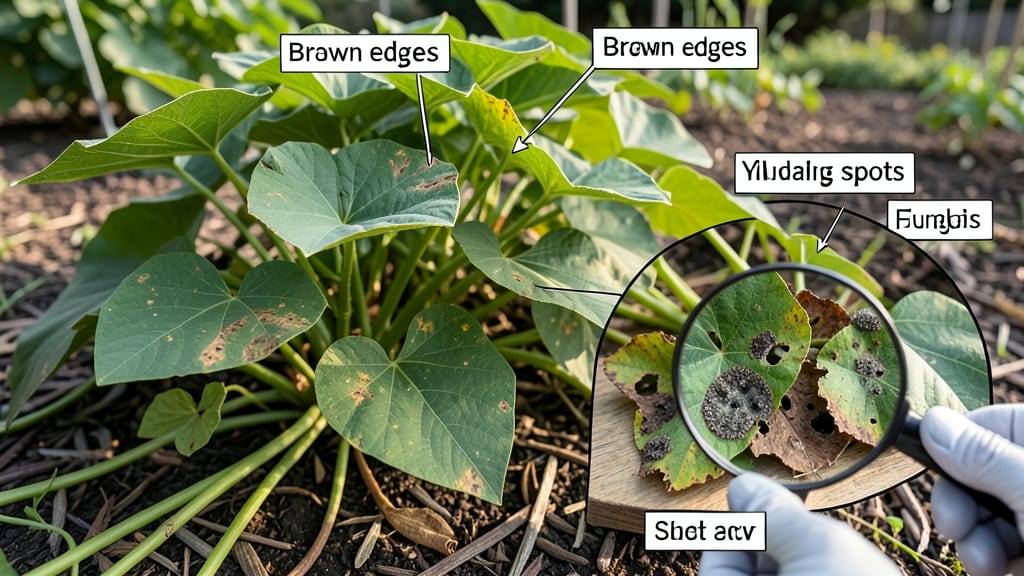
Sweet potato leaf problems turning yellow or spotted? That’s your plant screaming for help—and I’ve fixed this exact issue in my own garden. 🌱 The good news? Most issues show up early, so you can act before the harvest suffers.
We’re talking yellowing edges, black spots, or holes that look like someone took a bite out of your leaves.
Half the battle is knowing what you’re dealing with. Fungal leaf spot (those brown spots with yellow rings) or aphid damage (sticky leaves, curled edges) are the usual culprits, but sometimes it’s just too much water or not enough nutrients.
I’ll walk you through how to tell them apart—because treating the wrong problem wastes time and money.
Here’s the fast fix: prune the worst spots immediately, adjust watering, and spray with neem oil or insecticidal soap if pests are the issue. Within 7-10 days, your plants bounce back—stronger and healthier than before. The key is acting before the problem spreads to the roots.
Works for both vines in containers and full-ground plants. Let’s get those leaves looking vibrant again—no guesswork, just results. You’ll have sweet potatoes to show for it by harvest time.
Root Causes Behind Leaf Troubles
Sweet potato leaves are tough and resilient, but they’re not immune to stress. When problems arise—whether it’s yellowing, wilting, holes, or spots—it’s almost always a sign of underlying issues.
Understanding why these problems happen is the first step to fixing them fast. Let’s break down the science behind the most common culprits.
---
Sweet potatoes thrive in well-drained soil, and when water pools around their roots, it creates the perfect storm for trouble. **Root rot (caused by Phytophthora or Fusarium fungi) is the most common result, but even mild overwatering can lead to: - Yellowing leaves (chlorosis) from oxygen deprivation in the roots. - Stunted growth as the plant diverts energy to surviving waterlogged soil. - Soft, mushy stems if the rot spreads upward.
Why it happens: - Sweet potatoes prefer sandy loam soil that drains quickly. Heavy clay or compacted soil traps moisture, suffocating roots. - Overzealous watering (especially in containers) or lack of raised beds exacerbates the issue. - Fungal spores lurk in damp soil, waiting for the right conditions to infect stressed plants.
Actionable fix: Amend soil with perlite or compost to improve drainage, and ensure pots have drainage holes. Water only when the top 2 inches of soil are dry.
---
Sweet potato leaves are nutrient-hungry, and deficiencies show up fast. The most critical ones are: - Nitrogen (N) deficiency → Pale yellow leaves (starting on older ones). - Magnesium (Mg) deficiency → Yellowing between leaf veins (interveinal chlorosis). - Potassium (K) deficiency → Brown, crispy leaf edges (scorching).
Why it happens: - Sweet potatoes are heavy feeders, especially during vine growth. Poor soil or depleted nutrients lead to starvation. - pH imbalances (too acidic or alkaline) lock out essential minerals like iron or manganese, even if they’re present. - Competition from weeds steals nutrients before your plants get a chance.
Actionable fix: Test soil pH (aim for 5.8–6.5) and amend with compost or balanced fertilizer (10-10-10). For magnesium, use Epsom salt (1 tbsp/gallon of water) as a foliar spray.
---
Sweet potato leaves are a buffet for insects, and pests don’t just nibble—they inject toxins, spread disease, and weaken the plant.
The worst offenders: - Sweet potato weevils** → Chew holes in leaves and bore into stems (🚨 highly destructive). - Aphids → Cluster on undersides, excrete sticky honeydew (leading to sooty mold). - Spider mites → Tiny red pests cause stippling (tiny white/yellow dots) and webbing. - Caterpillars (e.g., armyworms) → Strip leaves overnight, leaving skeletonized foliage.
Why it happens: - Stressed plants (from drought, poor soil, or overcrowding) attract pests. - Monoculture gardening (growing sweet potatoes year after year in the same spot) builds up pest populations. - Wind or wildlife spreads eggs and larvae from nearby plants.
Actionable fix: - Handpick weevils (check stems at dusk) or use neem oil for aphids/mites. - Row covers deter flying pests like armyworms. - Rotate crops and plant marigolds or basil as pest-repelling companions.
---
Sweet potatoes are prone to foliar diseases that thrive in warm, humid conditions.
The most damaging: - Alternaria leaf spot → Dark brown spots with yellow halos (caused by Alternaria solani). - Powdery mildew → White, powdery patches on leaves (from Erysiphe fungi). - Bacterial leaf spot → Water-soaked, greasy-looking spots that spread rapidly.
Why it happens: - High humidity + poor airflow = fungal paradise. Overhead watering splashes spores onto leaves. - Contaminated tools or soil introduces pathogens from previous crops. - Wounded leaves (from hail, pests, or rough handling) provide entry points.
Actionable fix: - Space plants 12–18 inches apart for airflow. - Water at the base (avoid wetting foliage) and harvest promptly to reduce leaf wetness. - Copper fungicides or baking soda spray (1 tsp baking soda + 1 quart water + drop of soap) can prevent spread.
--- Extreme heat, cold snaps, or sudden changes can shock sweet potato leaves into distress.
Common signs: - Heat stress → Wilting, curled leaves (plant “wilts” but recovers at night). - Cold damage → Blackened or mushy leaves (below 50°F/10°C). - Sunburn → Yellow patches on leaves exposed to intense afternoon sun (common in containers).
Why it happens: - Sweet potatoes are tropical plants—they prefer warmth (70–90°F/21–32°C) and consistent moisture. - Transplant shock occurs when moving plants between hot/cold microclimates. - Plastic mulch can overheat soil, causing root stress.
Actionable fix: - Mulch with straw to regulate soil temperature. - Provide shade cloth (30–50%) during heatwaves. - Hardening off seedlings gradually before transplanting.
--- Sweet potato leaves are sensitive to residual herbicides, especially glyphosate (Roundup) or 2,4-D. Symptoms include: - Yellowing or browning along leaf edges. - Stunted growth or distorted new leaves. - Death of entire plants if roots absorb toxins.
Why it happens: - Pre-emergent herbicides left in soil can linger for months. - Wind drift from neighboring lawns/treatments contaminates garden beds. - Reusing containers previously treated with herbicides.
Actionable fix: - Test soil for herbicide residues (home kits are available). - Use vinegar or corn gluten meal as organic alternatives. - Plant in fresh, uncontaminated soil if herbicide exposure is suspected.
Fixing Sweet Potato Leaf Issues
Sweet potato leaves are the lifeblood of your harvest, and when they show signs of distress, quick action can save your crop. Below, we’ve mapped out practical, step-by-step solutions for the most common problems—from fungal infections to pest invasions—plus prevention tips to keep your plants thriving.
Let’s get your leaves back to their vibrant best!
---
Fungal infections like leaf spot, powdery mildew, or downy mildew can turn lush green leaves into a sad, spotted mess. Here’s how to treat and prevent them:
#### 🔥 Treat Existing Fungal Issues 1. Prune and Remove Infected Leaves - Use sterilized pruners (wipe with rubbing alcohol) to snip off yellow, brown, or moldy leaves—don’t compost them!
Toss them in the trash to prevent reinfection. - Pro Tip: 💡 Remove leaves early in the day when humidity is lower to reduce fungal spores spreading.
2. Apply Fungicidal Sprays (Organic or Chemical) - Neem oil spray (1 tsp neem oil + 1 tsp mild soap + 1 quart water): Spray evenly on both leaf sides every 7–10 days until the problem clears. - Copper-based fungicides (like Bordeaux mixture or copper soap): Follow label instructions for preventative and curative use. - Baking soda spray (1 tbsp baking soda + 1 quart water + a few drops of soap): Great for powdery mildew—spray weekly in the morning.
3. Improve Air Circulation - Space plants 12–18 inches apart to reduce humidity buildup. - Thin vines if overcrowded—this helps leaves dry faster after watering.
#### 🌡️ Prevent Future Fungal Outbreaks - Water at the base (not overhead) to keep leaves dry. - Avoid late watering—wet leaves at night invite fungal growth. - Rotate crops—don’t plant sweet potatoes in the same spot yearly. - Use mulch (straw or grass clippings) to suppress soil-borne fungi.
---
Pests like aphids, spider mites, and sweet potato weevils can defoliate your plants in days. Here’s how to evict them fast:
#### 🍳 Blast Aphids & Soft-Bodied Pests 1. Blast Them Off with Water - Strong spray from a hose (early morning) dislodges aphids and mites. Repeat every 2–3 days until gone.
2. Introduce Beneficial Insects - Ladybugs and lacewings love aphids—buy them online or attract them with dill or fennel nearby. - Predatory mites (like Phytoseiulus persimilis) control spider mites naturally.
3. Spray Insecticidal Soap or Neem Oil - Mix 1.5 tbsp insecticidal soap (or 1 tbsp neem oil) with 1 quart water and spray directly on pests (avoid flowers if possible). - Reapply every 5–7 days for severe infestations.
#### 🔪 Stop Sweet Potato Weevils (The Silent Destroyers) 1. Handpick Larvae & Adults - Check undersides of leaves and stems for small, brown weevils or white grubs. Squish them or drop them in soapy water.
2. Use Row Covers Early - Floating row covers (lightweight fabric) block weevils from laying eggs. Install before planting if your area is prone to them.
3. Rotate Crops & Till Soil - Weevils overwinter in soil—deep-till after harvest to expose pupae to birds and predators. - Avoid planting sweet potatoes in the same spot for 3+ years.
#### 🎯 Prevent Pest Recurrence - Inspect new plants before transplanting—quarantine if pests are spotted. - Remove weeds (they harbor pest eggs). - Plant trap crops like marigolds to distract pests away from sweet potatoes.
---
Yellowing, curling, or stunted leaves? Your sweet potatoes might be hungry for key nutrients. Fix it with these targeted solutions:
| Problem | Likely Cause | Quick Fix | Prevention | |---------------------------|---------------------------|------------------------------------------------------------------------------|-----------------------------------------| | Yellow Lower Leaves | Nitrogen deficiency | Side-dress with compost or blood meal (1 tbsp per plant). | Use balanced fertilizer (10-10-10). | | Purple-Stemmed Leaves | Phosphorus deficiency | Apply bone meal (1 tbsp per plant) or rock phosphate. | Add compost at planting. | | Brown Leaf Edges | Potassium deficiency | Sprinkle wood ash (1 cup per 10 sq ft) or use potassium sulfate. | Mulch with banana peels (rich in K). | | Small, Pale Leaves | Magnesium deficiency | Spray Epsom salt solution (1 tbsp per gallon of water) every 2 weeks. | Test soil pH (sweet potatoes like 6.0–6.5). |
💡 Pro Tip: If leaves look crispy and brown, it could be over-fertilizing—cut back and water deeply to flush excess salts.
---
Heat, cold, or poor drainage can shock sweet potato leaves into distress. Adjust these factors to strengthen their defense:
#### 🔥 Fix Heat & Drought Stress - Shade cloth (30–50% coverage) protects leaves from scorching in extreme heat. - Mulch heavily (4–6 inches of straw) to retain moisture and cool roots. - Water deeply 2–3x per week (1–2 inches total) rather than daily shallow watering.
#### ❄️ Cold & Wind Damage - Use row covers in frost-prone areas to protect young leaves. - Plant in sheltered spots (near fences or hills) to break wind. - Avoid late planting—sweet potatoes need warm soil (60°F+) to thrive.
#### 💦 Overwatering & Root Rot - Check soil moisture—stick your finger 2 inches deep; water only if dry. - Improve drainage by amending soil with perlite or sand if it’s clay-heavy. - Raise beds slightly (6–12 inches) if your area floods easily.
---
The best "cure" is a strong, resilient plant. Follow these golden rules to keep sweet potato leaves problem-free:
✅ Start with healthy slips—buy from reputable nurseries or grow your own from organic sweet potatoes. ✅ Test soil before planting (check pH and nutrient levels). ✅ Crop rotation—don’t plant nightshades (tomatoes, peppers) before sweet potatoes (they share diseases). ✅ Companion planting—grow beans, peas, or marigolds nearby to repel pests and improve soil. ✅ Monitor regularly—check undersides of leaves and new growth weekly for early signs of trouble.
--- Final Thought: 🌟 Most sweet potato leaf problems are preventable with consistent care. Once you spot an issue, act fast—whether it’s pruning, spraying, or adjusting water—your plants will bounce back stronger than ever. Happy growing!
Frequently asked questions
Why are my sweet potato leaves turning yellow first on the bottom?
This is almost always a sign of nitrogen deficiency. Sweet potatoes are heavy feeders, and when they don’t get enough nitrogen, the oldest leaves (bottom ones) yellow first. Check your soil—if it’s sandy or you’ve grown multiple crops in the same spot, the nutrients may be depleted. Add compost or blood meal around the base of the plant for a quick fix.
What do black spots with yellow rings on my sweet potato leaves mean?
Those are classic symptoms of Alternaria leaf spot, a common fungal disease. The spots start small and darken with yellow halos as they spread. To treat it, remove infected leaves immediately and apply neem oil or copper fungicide every 7-10 days. Space your plants further apart to improve airflow and avoid watering the leaves.
My sweet potato leaves are curling and sticky—what’s causing this?
Sticky, curled leaves usually mean aphids or whiteflies are sucking sap from your plants. The sticky residue is their honeydew secretion. Blast them off with a strong water spray in the morning, then follow up with insecticidal soap or neem oil. Introducing ladybugs can also help control the population naturally.
Can I still harvest sweet potatoes if the leaves have problems?
Yes, but focus on root development, not leaf health. If the leaves are struggling from disease or pests but the vines are still green and growing, your tubers are likely fine. However, severe fungal infections (like root rot) or pest infestations (like weevils) can spread to the roots—check for soft spots or holes before harvesting. Always cure your sweet potatoes properly (80°F for 10 days) to extend storage life.
How do I prevent sweet potato leaf problems next season?
Start with crop rotation—don’t plant sweet potatoes in the same spot for 3+ years. Test your soil and amend it with compost to improve drainage and nutrients. Use row covers early in the season to block pests, and mulch heavily to suppress weeds and soil-borne diseases. Choose disease-resistant varieties if your area has a history of fungal issues.