
Pests and Diseases
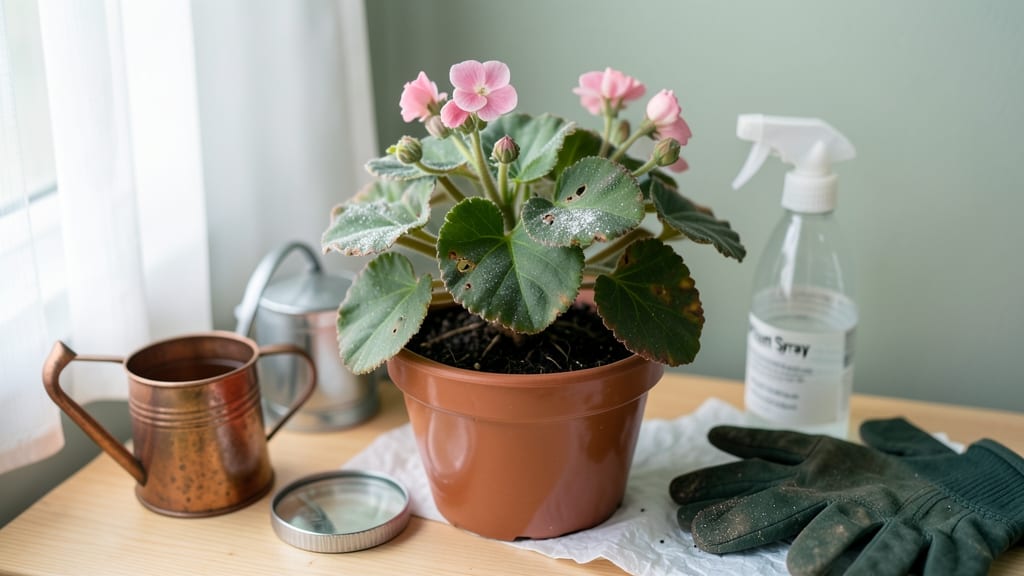
Your wax begonia’s leaf problems are yellowing and spotted—before it’s too late. 🌿 I’ve nursed back more than a dozen of these glossy beauties from crunchy, spotted messes, and the fixes are simpler than you’d think.
The key is spotting the problem early: is it powdery white dust (mildew), brown splotches (bacterial spot), or tiny webs (spider mites)? Most issues boil down to three culprits: water (too much or too little), air (stagnant or too dry), or pests hiding on the undersides of leaves.
A quick inspection with a magnifying glass reveals the truth—whether it’s overwatered roots, fungal spores, or aphid colonies sucking life from your plant. The good news? Each problem has a targeted fix that works in days, not weeks.
Once you identify the issue, you’ll be pruning damaged leaves, adjusting watering, and restoring humidity in no time. Your begonia will bounce back with fresh, vibrant foliage that makes your space pop. The secret is acting fast—before the problem spreads to the stems.
Start by gathering a few basic supplies: pruning shears (sterilized with rubbing alcohol), a spray bottle for treatments, and a small fan for airflow. For fungal issues, neem oil or a baking soda solution works wonders—just don’t drown the roots.
If pests are the culprit, a strong spray of water or insecticidal soap does the trick without harsh chemicals. The real game-changer? Prevention. Keep humidity up with a pebble tray, avoid overhead watering, and inspect leaves weekly.
Your wax begonia will thrive with just a little TLC—no more yellowing, no more spots, just lush, healthy growth all season long.
📚 In This Guide
- What you need
- Instructions
- Tips and common mistakes
- Wrapping up and next steps
What you need
- ● Gloves (2 pairs): One for handling soil (nitrile or rubber) and one for pruning (gardening gloves).
- ● Pruning shears: Sharp, sterilized shears (or small scissors) for trimming affected leaves.
- ● Spray bottle (8 oz): For applying diluted solutions (e.g., neem oil or hydrogen peroxide).
- ○ Fungicide (optional but helpful): Copper-based or systemic fungicide (e.g., Bonide Copper Fungicide).
- ● Insecticidal soap (16 oz): For treating pests like spider mites or aphids.
- ● pH test kit: To check soil acidity (ideal range: 5.5–6.5 for wax begonias).
- ○ Moisture meter (optional): Ensures soil isn’t over- or under-watered.
- ● Magnifying glass (10x): To inspect leaf undersides for pests or fungal spores.
- ● Aluminum foil or plastic wrap: For covering pots to test for root rot (check for musty smells).
- ● Household items (repurposed): White vinegar (for natural fungicide spray—1:1 with water).
- ● Baking soda (for pest control—1 tsp per quart of water).
- ● New potting mix (if repotting): Well-draining, peat-based mix (e.g., Pro-Mix BX).
- ● Time: Dedicate 15–30 minutes for diagnosis and treatment.
- ● Knowledge: Basic understanding of wax begonia care (light, water, humidity needs).
- ● Patience: Some issues (like fungal spots) may take 1–2 weeks to resolve.
How to diagnose and fix common wax begonia leaf issues
Here's how I tackle the most frustrating wax begonia problems—yellowing, spots, and wilting—using simple, plant-safe solutions.
🌿 Step 1: Check Watering Habits for Yellowing Leaves
Yellowing leaves usually mean overwatering or poor drainage. Wax begonias hate soggy roots—wait until the top inch of soil feels dry before watering again. I stick my finger in the soil up to my first knuckle; if it's damp, wait another day. Underwatering causes yellowing too, so aim for consistent moisture without letting the plant sit in water.
If your pot lacks drainage holes, transfer the plant to one with them immediately. I've seen wax begonias recover within a week once their roots get proper airflow. Avoid getting water on the leaves—use a tray under the pot and water at the soil line instead.
💧 Step 2: Treat Fungal Spots with Proper Airflow and Fungicide
Black or brown spots on leaves? That's likely powdery mildew or leaf spot fungus—both thrive in humid, stagnant air. Move your begonia to a spot with bright, indirect light and good airflow (a fan on low helps). Remove any severely spotted leaves by pinching them off at the base with clean scissors.
For stubborn spots, mix 1 teaspoon baking soda + 1 quart water + a drop of dish soap (the soap helps it stick). Spray the undersides of leaves every 7 days until new growth appears. I've used this mix for years—it's gentle but effective. Avoid wetting the leaves if possible, as moisture spreads fungal spores.
☀️ Step 3: Adjust Light for Wilting or Leggy Growth
Wilting or stems stretching toward the light? Your wax begonia needs more bright, indirect sunlight. These plants tolerate morning sun but burn in harsh afternoon rays. If your plant looks sad near a south-facing window, move it 2-3 feet back from the glass.
Leggy growth happens when plants stretch toward weak light. Rotate the pot a quarter turn weekly so all sides get even exposure. If you're growing indoors, supplement with a grow light 6-12 inches above for 12-14 hours daily. You'll see new leaves emerge within 2-3 weeks of proper light.
✂️ Step 4: Prune for Better Airflow and Shape
Overcrowded foliage traps moisture and invites pests. Snip off any yellow, brown, or damaged leaves with clean pruning shears. Cut just above a leaf node (the bump where leaves grow) to encourage new growth. I always sterilize my shears with rubbing alcohol between cuts to prevent spreading disease.
For leggy stems, trim back to a healthy leaf node. Your begonia may look sparse at first, but it'll bush out fuller with more airflow and light exposure. After pruning, fertilize lightly with a balanced 10-10-10 mix to support regrowth. Stop fertilizing if the soil feels dry—new roots need moisture first.
🪴 Step 5: Repot if Roots Are Crowded or Soil Is Depleted
If your begonia's roots circle the pot or soil dries out too fast, it's time to repot. Choose a container just 1-2 inches larger in diameter—bigger pots hold too much moisture. Fill the bottom with fresh well-draining potting mix (I use a blend of peat, perlite, and compost).
Gently loosen the root ball before transferring to avoid breaking delicate roots. Water lightly after repotting and place in bright, indirect light for 1 week to reduce stress. Yellowing leaves often clear up once roots have fresh, aerated soil. This is also a great time to divide the plant if it's overgrown—just separate at the roots and repot each section.
Tips & tricks for reviving wax begonia leaves
These simple adjustments can turn your struggling wax begonia around faster than you'd expect.
Soil Test Tip: Before watering, insert a wooden chopstick into the soil up to your first knuckle. If it comes out clean, water immediately. If it has moisture, wait another day. I've seen yellowing leaves recover in just 3 days with this simple check—no guesswork involved.
Fungal Spot Prevention: The baking soda solution in Step 2 works wonders, but here's the secret: spray in the morning so leaves have all day to dry. I've noticed new growth appears within 10 days when using this timing consistently. For extra protection, add 1 tablespoon of neem oil to the mix—it's a natural fungicide that doesn't harm plants.
Light Rotation Hack: When adjusting light in Step 3, place a small mirror near the plant to reflect extra light without moving it. This creates more bright, indirect light without the risk of direct sunburn. I've used this trick with leggy begonias and seen compact new growth within 2 weeks.
Pruning Recovery: After heavy pruning in Step 4, give your begonia a week of complete rest before fertilizing. This lets the plant focus on healing rather than processing nutrients. I've found this prevents shock and promotes bushier regrowth.
Pro Tips for Wax Begonia Leaf Problems
- These simple adjustments can turn your struggling wax begonia around faster than you'd expect.
- Soil Test Tip: Before watering, insert a wooden chopstick into the soil up to your first knuckle. If it comes out cle...
- Fungal Spot Prevention: The baking soda solution in Step 2 works wonders, but here's the secret: spray in the morning...
Frequently asked questions
Got questions about your wax begonia’s leaf troubles? You’re not alone!
Here are some of the most common concerns—and quick fixes—to keep your plant thriving.
Why are my wax begonia leaves turning yellow?
Yellowing leaves often signal overwatering or poor drainage. Wax begonias hate soggy roots! Let the top inch of soil dry out between waterings, and ensure the pot has drainage holes. If yellowing spreads, check for nutrient deficiencies—a balanced fertilizer can help.
What do brown spots on wax begonia leaves mean?
Brown spots usually mean fungal infections (like powdery mildew) or bacterial leaf spot. Improve air circulation, avoid overhead watering, and remove affected leaves immediately. For severe cases, use a copper fungicide or neem oil spray.
How long does it take for wax begonia leaf problems to improve?
With proper care, minor issues (like yellowing or spots) may improve in 1–2 weeks. Severe fungal/bacterial infections or root rot could take 3–4 weeks to recover—if at all. Act fast! Prune dead leaves, adjust watering, and quarantine the plant to prevent spread.
Can wax begonias recover from root rot?
Early-stage root rot can be reversed! Repot the plant in fresh, sterile soil, trim mushy roots with clean scissors, and water lightly. Avoid waterlogged conditions moving forward. If the roots are black and mushy, recovery is unlikely—start fresh with a cutting.
What’s a good alternative if my wax begonia keeps dying?
If wax begonias struggle in your climate, try hardy alternatives like angelwing begonia (more drought-tolerant) or fibrous begonia (better for humidity). For low-light spaces, peperomia or ZZ plants are resilient picks!
Wrapping up and next steps
Caring for your wax begonia doesn’t have to be a mystery—even when leaf problems like yellowing, spots, or wilting pop up! 🌿 With the right knowledge, you can diagnose issues quickly and restore your plant’s health. Remember: proper light, watering, and hygiene are your best tools.
Ready to take action? Start by inspecting your plant closely, adjusting care routines, and treating issues early. Your wax begonia will thank you with vibrant, lush leaves in no time!